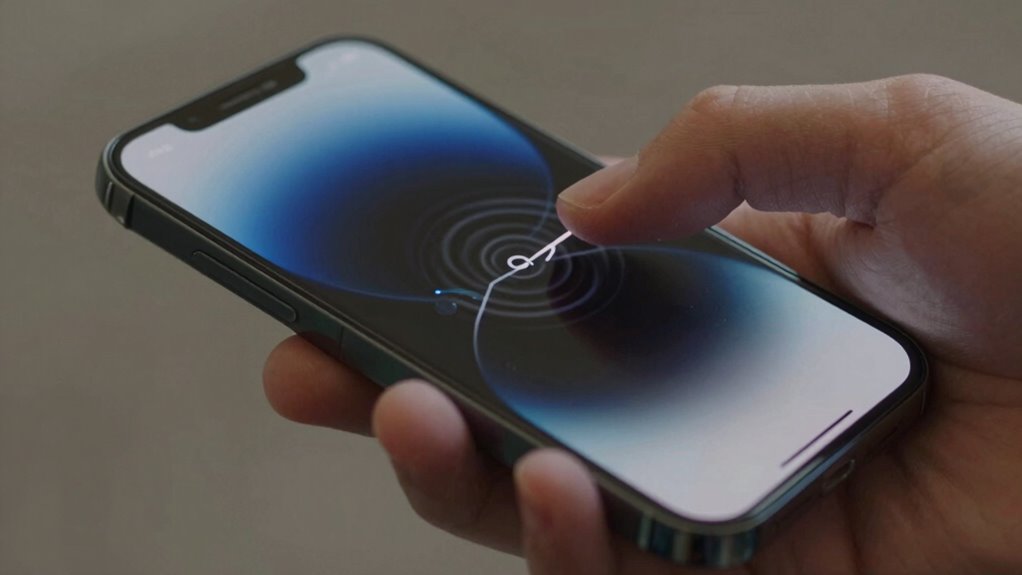

Micro-interactions may seem small, but they have a big impact on how users perceive and engage with your product. They build trust through feedback, make tasks feel seamless and fun, and add personality to your design. When crafted thoughtfully, micro-interactions can turn routine actions into memorable moments that foster emotional connections. If you want to understand how these tiny details can transform user experience and boost loyalty, there’s more to uncover.
Listen free for 30 days with Audible
Thousands of audiobooks and originals — cancel anytime.
As an affiliate, we earn on qualifying purchases.
Key Takeaways
- Micro-interactions significantly influence user perception, engagement, and emotional connection, often overlooked by designers.
- Thoughtful micro-interactions build trust and confidence, especially in sensitive tasks like financial transactions.
- They add personality and charm, transforming routine actions into memorable, delightful experiences.
- Small design details can greatly impact overall satisfaction and foster user loyalty.
- Purposeful micro-interaction design creates seamless, natural flows that enhance platform reliability and user trust.

Micro-interactions might seem small, but they play an essential role in shaping your experience with digital products. These tiny moments—like toggling a switch, liking a post, or receiving a subtle animation—are often overlooked, yet they profoundly influence how you feel about a platform. When designed thoughtfully, micro-interactions boost user engagement by making your interactions feel smooth, intuitive, and rewarding. They’re the bridge that connects your actions to the platform’s responses, creating a sense of control and satisfaction that keeps you coming back. More importantly, they foster an emotional connection, turning a simple task into a memorable experience.
Micro-interactions subtly shape your experience, making digital moments smooth, engaging, and emotionally memorable.
Imagine opening an app and hitting a button that responds with a satisfying ripple or a quick, playful animation. That small detail might seem insignificant, but it signals to your brain that your action was successful, reinforcing trust in the product. This kind of feedback makes you feel more engaged because it reduces uncertainty and frustration—common barriers that cause users to abandon a task. When micro-interactions are aligned with your expectations, they enhance your overall user engagement, encouraging you to explore more features without feeling overwhelmed or confused. Additionally, incorporating security features like subtle confirmation animations can increase user confidence, especially when handling sensitive actions like online payments or data entry. According to the Gold IRA Markets, trust and transparency are crucial factors in financial interactions, making secure micro-interactions even more vital.
Beyond engagement, micro-interactions are powerful tools for creating emotional bonds. They add personality and charm to digital products, making interactions feel less mechanical and more human. For instance, a subtle smiley face that appears after a task is completed or a delightful sound confirming a purchase can evoke positive emotions. These small touches show that the designers care about your experience, which deepens your emotional connection to the platform. Recognizing the importance of these details can significantly elevate the overall perception and satisfaction of users. When micro-interactions are thoughtfully designed with purpose, they turn ordinary interactions into engaging, memorable moments. They create a seamless flow that feels natural and inviting, turning routine tasks into delightful experiences. Recognizing that small design details can significantly impact user perception underscores their importance in creating meaningful digital experiences. Moreover, paying attention to security in payment processing can further enhance trust and satisfaction, especially in financial transactions.
As an affiliate, we earn on qualifying purchases.
Frequently Asked Questions
How Do Micro-Interactions Impact Overall User Engagement?
Micro-interactions boost your overall user engagement by creating seamless, enjoyable experiences that encourage users to stay and interact more. They build emotional connections by adding delight, feedback, or clarity, making users feel understood and valued. When you incorporate thoughtful micro-interactions, you make your interface more intuitive and memorable, leading to increased satisfaction and loyalty. This ultimately keeps users engaged longer and fosters a stronger emotional bond with your product.
What Are Common Mistakes in Designing Micro-Interactions?
You might overlook subtle missteps like neglecting gesture feedback or poor animation timing, which can disrupt user flow. Avoid overly complex or inconsistent micro-interactions that confuse users, and steer clear of animations that delay responses. Instead, aim for smooth, intuitive gestures with clear feedback, ensuring animations are well-timed to enhance usability. These small details make a big difference in delivering a seamless, engaging user experience.
How Can Micro-Interactions Improve Onboarding Experiences?
Micro-interactions enhance onboarding by providing clear user guidance and personalized experiences. When you incorporate subtle animations or feedback, you make new users feel more comfortable and engaged. These micro-interactions guide users step-by-step, reducing confusion and frustration. By tailoring onboarding flows with personalized cues, you help users quickly understand features. This thoughtful design creates a smoother, more intuitive entry point, increasing user satisfaction and retention from the very start.
Do Micro-Interactions Influence Brand Perception?
Yes, micro-interactions influence brand perception by reinforcing brand consistency and creating emotional resonance. When you design thoughtful micro-interactions, you make users feel more connected to your brand, building trust and loyalty. These small details shape how people perceive your brand’s personality and values. By aligning micro-interactions with your overall brand identity, you enhance user experience and foster positive associations that last.
What Tools Are Best for Designing Micro-Interactions?
You should use prototyping tools like Figma, Adobe XD, or Principle to design micro-interactions effectively. These tools support animation techniques such as shifts, hover effects, and subtle feedback animations that enhance user experience. They allow you to simulate interactions quickly, tweak designs easily, and test how micro-interactions feel in real-time. Incorporating these tools into your process guarantees your micro-interactions are polished, engaging, and aligned with your overall design goals.
user experience micro-interactions
As an affiliate, we earn on qualifying purchases.
As an affiliate, we earn on qualifying purchases.
Conclusion
In the end, micro-interactions aren’t just small details—they’re powerful tools that shape user experience. Did you know that 85% of users say they’re more likely to stay on a website that offers engaging micro-interactions? By paying attention to these tiny moments, you create a more intuitive, satisfying experience that keeps users coming back. Don’t overlook the small things; they make a big difference in how your design is perceived and remembered.
As an affiliate, we earn on qualifying purchases.
As an affiliate, we earn on qualifying purchases.
Flea & tick season Picks
flea and tick prevention
As an affiliate, we earn on qualifying purchases.