
TL;DR

Get art and craft supplies delivered free with Prime
- Fast, free delivery on millions of items
- Prime Video, Amazon Music and more included
- Member-only deals all year
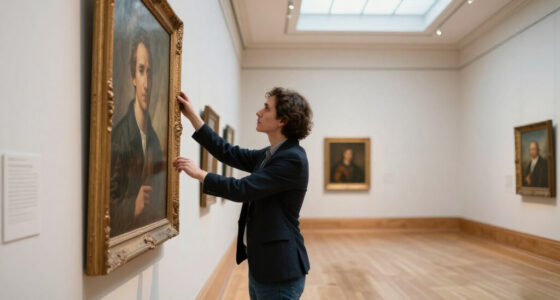
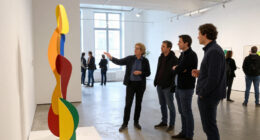
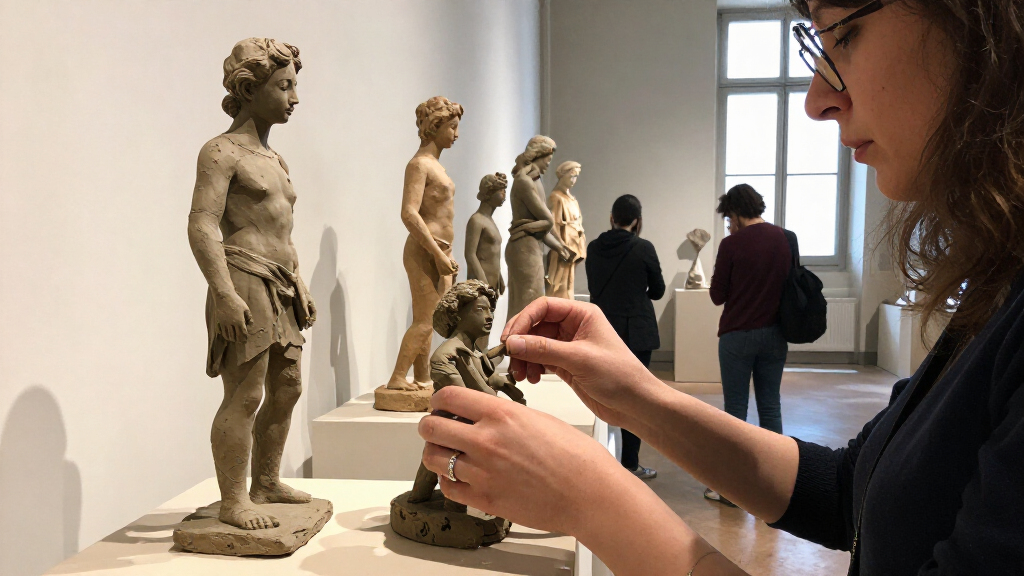
The inaugural Catholic Universities Art Triennale, or ArtCut, presents exhibitions across seven cities and features more than 100 artists. Its theme, “Exercises in Empathy,” foregrounds human creativity and relationships amid debate over AI’s role in art.
The Vatican-commissioned Catholic Universities Art Triennale has brought together more than 100 artists for simultaneous exhibitions at seven universities, placing empathy and human creativity at the center of a debate increasingly shaped by artificial intelligence. The inaugural edition, titled “Exercises in Empathy,” includes artists such as Arthur Jafa, Jeremy Frey and Mona Hatoum.
Known as ArtCut, the triennale is being presented at Catholic universities in Brazil, Chile, Colombia, Italy, Portugal, Angola and the United States. The exhibitions approach human experience through physical and intellectual facets, according to Hyperallergic’s report, and are united by an emphasis on empathy and self-reflection rather than technological advancement as drivers of human progress.
Cardinal José Tolentino de Mendonça, prefect of the Holy See’s Dicastery for Culture and Education, commissioned the contemporary art exhibitions. The participating artists include established international figures alongside works shown in the supplied report, such as Vanderlei Lopes’s Coração (2013), Andreia Santana’s Walk Through Frame (2024) and Carlos Bunga’s Nómada. Aprendendo a fazer o pino (2025).
The project’s framing draws on Pope Leo XIV’s statements about the limits of AI-generated work. The triennale does not, in the supplied account, detail a ban on AI tools or set out a technical test for what qualifies as human creativity. Instead, its exhibitions put empathy, relationships and reflection forward as qualities central to human artistic experience.
Why ArtCut Centers Empathy
The triennale makes the Church’s concerns about AI visible through a multi-city contemporary art program, rather than treating the issue only as a question of technology or policy. By gathering more than 100 artists around empathy, it asks audiences to consider what human experience contributes to art: not just the finished image or object, but the relationships, feelings and forms of understanding behind it.
That framing matters as generative AI tools become more prominent in creative work and raise questions about authorship, originality and the value of human labor. ArtCut’s position is clear in its theme and institutional setting: it gives priority to human creativity and connection. The available report, however, does not establish that the exhibitions reject every use of AI or claim to settle the broader debate.
The scale also gives the program a cross-national dimension. With exhibitions hosted at Catholic universities in seven countries, ArtCut connects contemporary art to the Church’s educational and cultural institutions. For visitors, the direct point is the art on display; for the organizing body, the series also provides a public setting for exploring how human dignity and creativity should be understood as AI develops.
Popular right now

KitchenAid Artisan Series 5-Quart Tilt-Head Stand Mixer, Dried Rose (KSM150PS)

eufy E25 Robot Vacuum and Mop Combo with HydroJet Roller Mop

De'Longhi Rivelia Fully Automatic Espresso Machine with Milk Frother, White
As an affiliate, we earn on qualifying purchases.
The Church’s AI Concerns
The triennale builds on Pope Leo XIV’s earlier message about protecting the human condition from AI’s potential for manipulation and what he described as delusions of omnipotence. The report links ArtCut’s theme to his argument that AI systems do not possess the emotional, relational and spiritual perspective through which people develop wisdom.
That distinction informs the exhibitions’ emphasis on human capacities, rather than a claim that technology has no place in art. ArtCut is the inaugural edition of a triennial, a format that recurs every three years. Its seven simultaneous presentations bring that discussion to university settings in different regions, while the current source gives limited detail about how each venue interprets the shared theme.
What the Report Leaves Open
The supplied report does not list the opening and closing dates for each exhibition, provide visitor figures, or describe the full program at all seven universities. It also does not explain how artists were selected or whether the venues will hold related talks, workshops or public events.
It remains unclear how each exhibition addresses AI in practice, including whether any works use AI tools. The reported theme places human creativity first, but that alone does not show that all participating artists or organizers share one position on AI, or that the series excludes AI-assisted work. The available material also offers no evaluation of audience response or of the exhibitions’ impact.
The Seven Exhibitions Ahead
ArtCut’s inaugural exhibitions are the next public opportunity to see how its “Exercises in Empathy” theme is interpreted across the seven university venues. The source identifies the participating countries and several artists, but does not provide a full calendar or a schedule of associated events.
Further details from the universities or the triennale organizers could clarify exhibition dates, participating artists at each site and how the works address the relationship between human creativity and AI. As a triennial, ArtCut is designed to recur every three years; the supplied report does not specify plans or a date for a second edition.
Key Questions
What is the Catholic Universities Art Triennale?
ArtCut is a Vatican-commissioned contemporary art exhibition series presented at seven Catholic universities. Its inaugural edition is titled “Exercises in Empathy.”
Where are the exhibitions being held?
The venues are Catholic universities in Brazil, Chile, Colombia, Italy, Portugal, Angola and the United States. The supplied report does not give individual venue names or exhibition dates.
Which artists are included?
The report names Arthur Jafa, Jeremy Frey and Mona Hatoum, among more than 100 artists. It also identifies works by Vanderlei Lopes, Andreia Santana and Carlos Bunga.
Does ArtCut prohibit AI-generated art?
The source describes a theme centered on human creativity and quotes Pope Leo XIV’s criticism of AI’s lack of affective, relational and spiritual perspective. It does not say that the exhibitions prohibit AI tools or AI-assisted artworks.
When can visitors see the exhibitions?
The source says the exhibitions are presented simultaneously, but does not provide opening or closing dates, ticket details or visitor information. Those details would need to come from the participating universities or organizers.
Source: hyperallergic.com