TL;DR

Get art and craft supplies delivered free with Prime
- Fast, free delivery on millions of items
- Prime Video, Amazon Music and more included
- Member-only deals all year
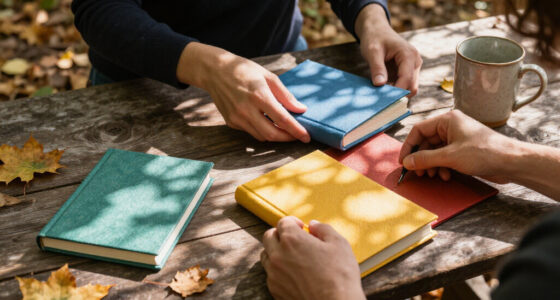
Hyperallergic’s Banned Books Week newsletter highlights art books and independent bookmaking alongside reading recommendations and coverage of contested books. It cites PEN America’s count of more than 11,900 instances of book banning in public schools during the previous school year, including more than 8,100 in Texas. The newsletter is a reading guide, not an announcement of a new policy or campaign.
Hyperallergic has published a Banned Books Week reading roundup featuring art-book reviews, independent publishers and staff reading lists, while drawing attention to reported book bans in public schools. The newsletter cites PEN America’s count of more than 11,900 instances during the previous school year, including more than 8,100 in Texas, placing its recommendations in the context of ongoing disputes over access to books.
The roundup presents art books and criticism as one way to engage with questions of history, labor and representation. Artist, scholar and critic Tao Leigh Goffe reviews “Turner and the Slave Trade,” a book examining J. M. W. Turner’s relationship to slavery in his art and life. Goffe writes that the book “recasts Romanticism’s relationship to nature and landscape painting as a vehicle for colonial propaganda.” That is the reviewer’s assessment of the book’s argument, not an independently established finding supplied by the newsletter.
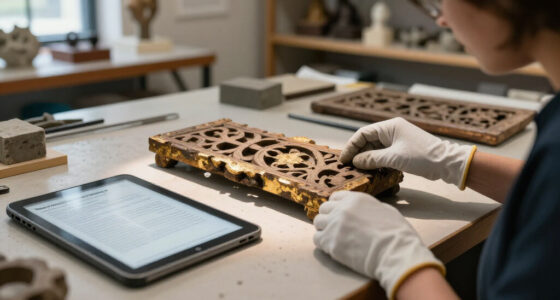
Another feature, by Nageen Shaikh, considers a book about craftspeople in ancient Egypt and the skilled labor behind visual culture. The newsletter also points readers to booths and publications at Printed Matter’s 2026 New York Art Book Fair, including work by independent publishers, zine makers and artists producing risograph prints.
Alongside those features, the newsletter lists forthcoming and current cultural coverage: a book about the Studio Museum in Harlem’s history, a discussion of artistic freedom at the Brooklyn Public Library, and a research guide to 28 Black artists in the Visual AIDS archive. Staff members also share what they are reading, from contemporary fiction and poetry to translated Japanese literature and classic novels.
Art Publishing Amid Book Challenges
The newsletter connects a cultural reading list to a practical concern for libraries, schools and readers: which books remain available, and who decides. Its cited figure from PEN America signals the scale of school book-ban instances the organization tracked in the previous school year. The newsletter says more than 8,100 of those instances were in Texas, but does not provide a detailed breakdown of how the cases were counted or their outcomes.
Its focus on art books adds another dimension to the discussion. Books about artists, historical systems and often-overlooked makers can shape how readers understand culture and power. Independent presses, zines and book fairs also provide routes for creators and communities to circulate work outside the most familiar publishing channels. These are the newsletter’s editorial themes; it does not claim that art publishing alone can resolve school book challenges.
Popular right now

Bose QuietComfort Wireless Noise-Cancelling Over-Ear Headphones, Black

Dyson Cyclone V10 Origin Cordless Vacuum

Vitamix 5200 Professional-Grade Blender, 64 oz. Container, Black
As an affiliate, we earn on qualifying purchases.
From Library Memories to Art Books
The newsletter opens with associate editor Lakshmi Rivera Amin’s memory of finding a school report on books banned or contested during the 2003–04 academic year in her late grandmother’s papers. Amin recalls reading Maurice Sendak’s 1963 picture book Where the Wild Things Are as a child and notes that the title remains among books targeted for removal, according to the newsletter.
That personal recollection frames the issue’s broader focus on reading and access. The material ranges from scholarship on Turner and slavery to ancient Egyptian craftspeople and contemporary artist publications. It is presented as a set of recommendations and links, rather than a formal report on a specific school district’s policy or a new legal development.
The newsletter also points to events and projects beyond its book reviews. Hyperallergic editor-at-large Hrag Vartanian was scheduled to moderate a conversation on artistic freedom at the Brooklyn Public Library at 6:30 p.m. The issue lists an October 11 launch for Catherine Liu’s book at the Artbook at MoMA PS1 Bookstore. The source does not specify the year for those event dates.
““recasts Romanticism’s relationship to nature and landscape painting as a vehicle for colonial propaganda.””
— Tao Leigh Goffe, reviewing “Turner and the Slave Trade”
Limits of the Ban Figures
The newsletter attributes its count to PEN America, but does not define what qualifies as an “instance” of a book ban, list the titles included, or explain how the Texas total was calculated. The figures should be understood as the organization’s reported count, not as a count independently verified in the newsletter.
The source also does not identify a newly enacted restriction, court ruling or school-system decision tied to this roundup. It describes continuing challenges to books, but gives no updated count beyond the previous school year. Event dates in the newsletter are presented without a year, and the supplied text does not establish whether those events have already taken place.
Upcoming Readings and Events
Readers can follow the newsletter’s linked reviews and features for more detail on the books discussed, including Goffe’s review of “Turner and the Slave Trade” and Shaikh’s piece on ancient Egyptian craftspeople. The source also points to the Studio Museum history book, scheduled for publication on October 27 and distribution by Yale University Press, though it does not specify the year.
The listed artistic-freedom discussion and October 11 book launch are the next events named in the newsletter, but their current status is unclear from the source. The roundup does not announce a follow-up report or new advocacy effort. Further developments on school book challenges would need to be confirmed through subsequent reporting and updates from the relevant organizations or school systems.
Key Questions
What is “Art Reads for Banned Books Week”?
It is a Hyperallergic newsletter roundup featuring art-book criticism, independent publishing, cultural events and staff reading recommendations for Banned Books Week.
What book-ban figures does the newsletter cite?
The newsletter cites PEN America’s count of more than 11,900 instances of book banning in public schools during the previous school year, including more than 8,100 in Texas. It does not give a detailed methodology or title-by-title breakdown.
Which art books receive attention?
The roundup highlights a review of “Turner and the Slave Trade,” about J. M. W. Turner and slavery, and a book about craftspeople in ancient Egypt. It also points readers to publications and makers featured at the New York Art Book Fair.
Does the newsletter report a new book-ban policy?
No. The source is a reading guide and cultural roundup. It discusses book-ban figures and ongoing concerns but does not announce a new law, ruling or school policy.
Source: rss