
TL;DR
Prime for Young Adults — start your free trial
Fast free delivery, streaming and member deals for eligible 18–24 year olds.
As an affiliate, we earn on qualifying purchases.
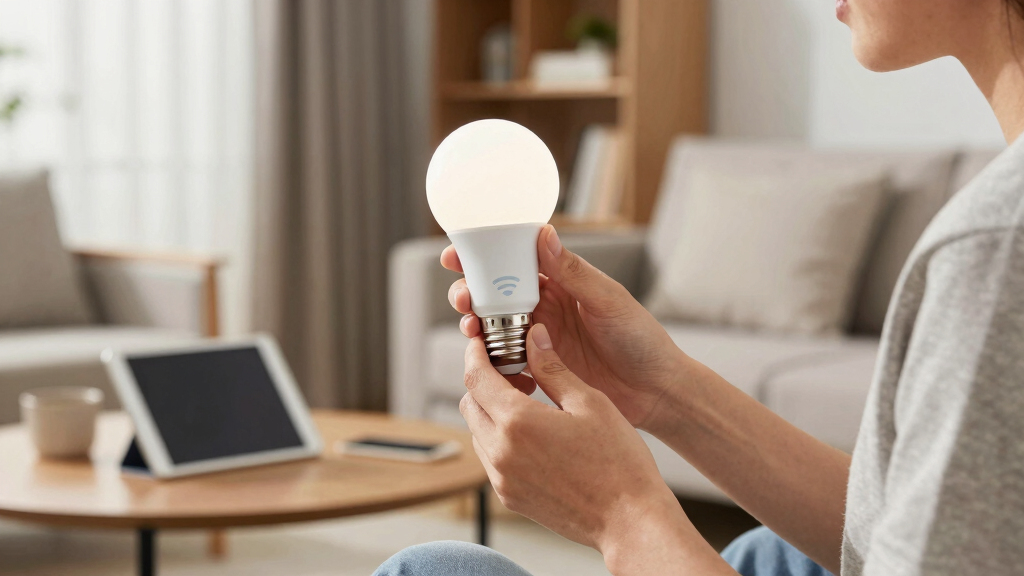
A hacker has successfully repurposed a Wi-Fi smart light bulb to serve as a covert library for banned books. The device, using open-source firmware, can host digital content and be hidden in plain sight. This development highlights potential uses for IoT devices in digital activism but also raises security and censorship concerns.
A hacker has successfully transformed a Wi-Fi smart light bulb into a covert library hosting banned books, demonstrating a potential tool for digital activism and evasion of censorship. The modification involves installing custom firmware on the device, which is capable of hosting web content accessible via Wi-Fi. This development raises questions about the use of IoT devices for clandestine information sharing and the security implications involved.
The hacker, who shared their project on Hacker News, used a Wi-Fi smart bulb equipped with an ESP32C3 chip and 4MB of flash memory. They replaced the device’s firmware with open-source Tasmota firmware, which supports over-the-air updates and customization. The hacker then added a web server hosting digital copies of banned books, effectively turning the bulb into a portable, hidden library.
The modification process involved opening the bulb, removing the daughter board with the ESP32 chip, and inspecting the hardware. The device’s design, including its aluminum-lined housing and internal antenna, was noted to facilitate strong Wi-Fi signals, aiding covert deployment. The hacker considered expanding storage with a microSD card to host larger content but faced limitations due to the device’s small 4MB flash capacity.
Implications for Digital Activism and Censorship Evasion
This development illustrates how everyday IoT devices can be repurposed for digital activism, especially in regions with strict censorship. The ability to hide digital libraries in common household items like light bulbs could enable activists to distribute banned content discreetly. However, it also raises concerns about the potential misuse of such technology for illicit activities, including the spread of illegal content or malicious hacking.
Wi-Fi smart light bulb with open-source firmware
As an affiliate, we earn on qualifying purchases.
As an affiliate, we earn on qualifying purchases.
Background on IoT Devices and Censorship Tools
Smart home devices, particularly Wi-Fi-enabled light bulbs, have become popular for automation and energy efficiency. Enthusiasts have also explored hacking these devices for custom purposes, driven by the open-source firmware Tasmota, which allows local control and firmware modification. The idea of using IoT devices as covert information hubs has been discussed in hacker communities, motivated by stories of digital resistance and censorship circumvention. The recent modification exemplifies this trend, demonstrating both the potential and risks of such approaches.
“The device is simple to modify and can host a web server with banned books, making it a discreet digital library.”
— Hacker who shared the project
As an affiliate, we earn on qualifying purchases.
Unclear Legal and Security Implications
It remains uncertain how widespread this practice might become, whether authorities will detect or attempt to regulate such modifications, and what legal repercussions might follow. The security risks associated with hacking IoT devices—such as creating backdoors or exposing vulnerabilities—are also not yet fully understood.
As an affiliate, we earn on qualifying purchases.
Potential for Broader Adoption and Response
Experts anticipate increased interest in modifying IoT devices for covert purposes, prompting discussions about security standards and legal frameworks. Authorities may begin to monitor or restrict firmware modifications on consumer IoT devices. Meanwhile, hackers and activists are likely to explore similar projects, possibly leading to more sophisticated covert networks in public spaces.
custom firmware for smart home devices
As an affiliate, we earn on qualifying purchases.
As an affiliate, we earn on qualifying purchases.
Key Questions
Can the modified light bulb host large libraries of books?
Due to the 4MB flash memory of the device, hosting large libraries is limited. Additional storage like microSD cards could expand capacity, but hardware constraints may still pose challenges.
Is it legal to modify smart devices in this way?
Legal implications vary by jurisdiction. In some regions, modifying devices to host unauthorized content or for clandestine purposes could violate laws related to unauthorized access or digital content distribution.
Could such devices be used maliciously?
Yes, the same techniques could be exploited to distribute illegal content, conduct cyberattacks, or hide malicious activities. This raises concerns about security and oversight.
How detectable are these modified devices?
Since they operate as standard Wi-Fi devices, detection depends on network monitoring. Their discreet appearance and common form factor make them difficult to identify without targeted scanning.
What can manufacturers do to prevent such modifications?
Manufacturers can implement hardware security measures, restrict firmware modifications, and include tamper detection features. Regulatory standards could also influence the security of IoT devices.
Source: Hacker News
Flea & tick season Picks
flea and tick prevention
As an affiliate, we earn on qualifying purchases.