
The hidden problem with alt text is that it often misses the full story, emotional depth, and cultural meaning behind an image. When you only describe what’s visually there, you risk overlooking the context that makes the image impactful. This can lead to a disconnect for those relying on alt text to understand important nuances. If you want to see how to craft more meaningful descriptions that truly connect, there’s more to uncover below.

Get art and craft supplies delivered free with Prime
- Fast, free delivery on millions of items
- Prime Video, Amazon Music and more included
- Member-only deals all year
Key Takeaways
- Alt text often misses conveying the emotional, cultural, or contextual significance behind an image.
- Relying solely on factual descriptions can obscure the story or message the image intends to communicate.
- The challenge lies in balancing brevity with enough context to deliver meaningful understanding.
- Lack of nuanced context in alt text limits accessibility for users seeking deeper comprehension.
- Effective alt text should evoke intent and importance, not just describe visual elements.
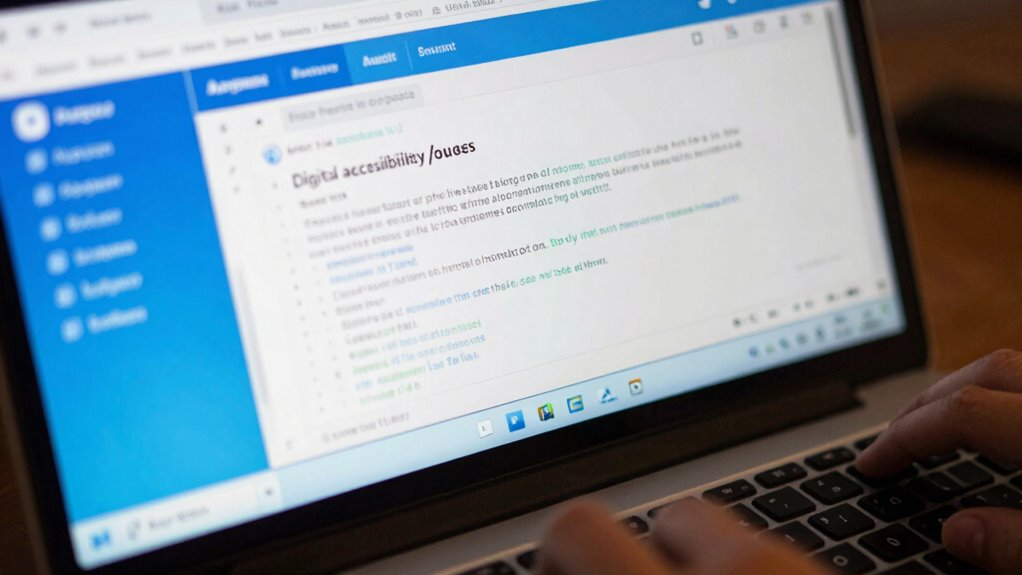
Have you ever considered that alt text, while meant to improve accessibility, might actually hide some problems? Alt text accessibility is designed to help users with visual impairments understand what’s displayed on a screen, but it often falls short of providing a complete picture. When you rely solely on alt text for visual description, you risk missing the nuance and context that give an image its full meaning. Instead of simply describing what’s in a picture, effective alt text should evoke the intent, mood, or importance of the image, but many times, it doesn’t.
Alt text often hides issues by missing nuance, context, and emotional significance behind visual descriptions.
This omission creates a hidden problem: the context behind the image is often overlooked. When alt text is too literal or generic, it fails to capture the story or message the visual is meant to convey. For example, an image of a protest might be described merely as “people holding signs,” but that doesn’t tell you about the purpose or urgency of the protest. Without proper context, users don’t get the full story, and that diminishes the overall accessibility experience. It’s not just about describing the image; it’s about painting a mental picture that aligns with the visual description’s intent.
When you focus only on the factual description, you might unintentionally hide the emotional or cultural significance behind the visual content. This oversight can lead to a disconnect, especially for those who depend on alt text to understand complex or nuanced scenes. The goal of alt text accessibility isn’t just to convey what’s visually present but to convey why it matters. If the context is missing, the user might understand the *what* but not the *why*, which can limit their understanding and engagement. Providing cultural significance in alt text can help bridge that gap and enrich the viewer’s comprehension. Contextual depth plays a crucial role in how images communicate messages beyond mere objects or actions.
The challenge lies in balancing brevity with richness. You have to craft alt text that’s concise yet informative enough to provide meaningful context. It’s also important to recognize that visual storytelling plays a crucial role in how images communicate messages beyond mere objects or actions. Poorly crafted alt text might satisfy accessibility guidelines on paper but ultimately fails to deliver the full experience. Instead, consider the story behind the image and how to embed that in your description. When you do, you elevate the quality of alt text accessibility, making visuals truly inclusive rather than merely functional. This way, users aren’t just getting a visual description—they’re getting the full context that makes the image meaningful.
As an affiliate, we earn on qualifying purchases.
Frequently Asked Questions
How Does Alt Text Impact SEO Rankings?
Alt text directly impacts your SEO rankings by improving image accessibility and helping search engines understand your content. When you add descriptive alt text, you make your images more accessible to users with visual impairments, which enhances overall user experience. Search engines also use alt text to index your images properly, boosting your visibility in image search results and supporting your broader search engine optimization efforts.
What Are Common Mistakes in Writing Alt Text?
Think of writing alt text like painting a vivid picture with words. Common mistakes include being vague or overly stuffed with keywords, which muddies the message. You might focus too much on image annotation, missing descriptive accuracy that truly captures the scene. To avoid these pitfalls, craft clear, concise descriptions that accurately reflect the image, helping users and search engines alike understand what’s visually represented without losing the essence.
How Can I Make Alt Text More Inclusive?
To make your alt text more inclusive, use clear, respectful language that considers diverse audiences. Incorporate inclusive language by avoiding stereotypes and assumptions, and be mindful of cultural sensitivity to guarantee all users feel represented. Focus on describing the essential content accurately without unnecessary details. This approach helps everyone access and understand your content, fostering a more welcoming online environment.
Are There Tools to Check Alt Text Quality?
Yes, tools exist to check alt text quality, revealing how well your descriptions capture context accuracy and accessibility. You’ll find automated checkers that scan images for clarity, guaranteeing your alt text communicates the right details. These tools are increasingly accessible, helping you identify gaps and improve inclusivity. By using them, you guarantee your content meets diverse needs, making every visual accessible to all viewers—no more guessing, just confident, inclusive descriptions.
How Does Alt Text Affect Users With Cognitive Disabilities?
Alt text greatly impacts users with cognitive disabilities by enhancing their cognitive comprehension, making content easier to process and understand. You should guarantee your alt text is clear and descriptive, which improves accessibility awareness. When you provide effective alt text, you help these users navigate your website more independently, reducing frustration and creating a more inclusive experience. Focusing on accessibility awareness ensures your content reaches and benefits everyone, regardless of cognitive abilities.
accessible image description software
As an affiliate, we earn on qualifying purchases.
As an affiliate, we earn on qualifying purchases.
Conclusion
Suddenly, you realize the true power—and peril—of alt text. It’s more than just a description; it’s a hidden gateway to understanding or misunderstanding. As you pause, you glimpse how a single overlooked detail could change everything, leaving users in the dark or illuminating their world. The question lingers: are you truly harnessing its potential, or unknowingly letting an essential story slip away, lost in the shadows? The choice is yours.
cultural context alt text generator
As an affiliate, we earn on qualifying purchases.
As an affiliate, we earn on qualifying purchases.
emotional alt text writing guide
As an affiliate, we earn on qualifying purchases.
As an affiliate, we earn on qualifying purchases.
Halloween Picks
halloween
As an affiliate, we earn on qualifying purchases.