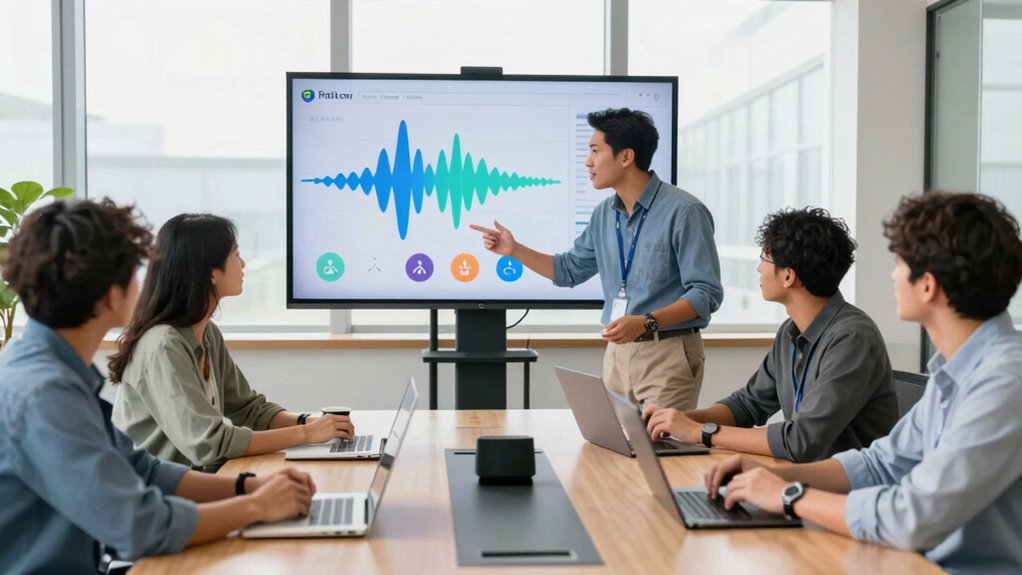

Great teams understand that voice accessibility makes communication more inclusive and seamless for everyone. You recognize that assistive technologies like speech recognition and voice-controlled apps are essential tools that help all members contribute effectively. Proper training and ongoing support are key to maximizing these tools’ benefits. By embracing best practices and continuously exploring new advancements, you guarantee a collaborative environment where every voice is heard. Keep exploring to discover how to make your team more accessible and productive.
Key Takeaways
- Great teams recognize voice accessibility as essential for inclusive collaboration and effective communication.
- They invest in training and ongoing support to maximize assistive technology benefits.
- They integrate voice tools seamlessly into workflows, ensuring equitable participation for all members.
- They stay updated on advancements in voice recognition and adaptive technologies.
- They foster a culture that values continuous learning and natural language processing improvements.
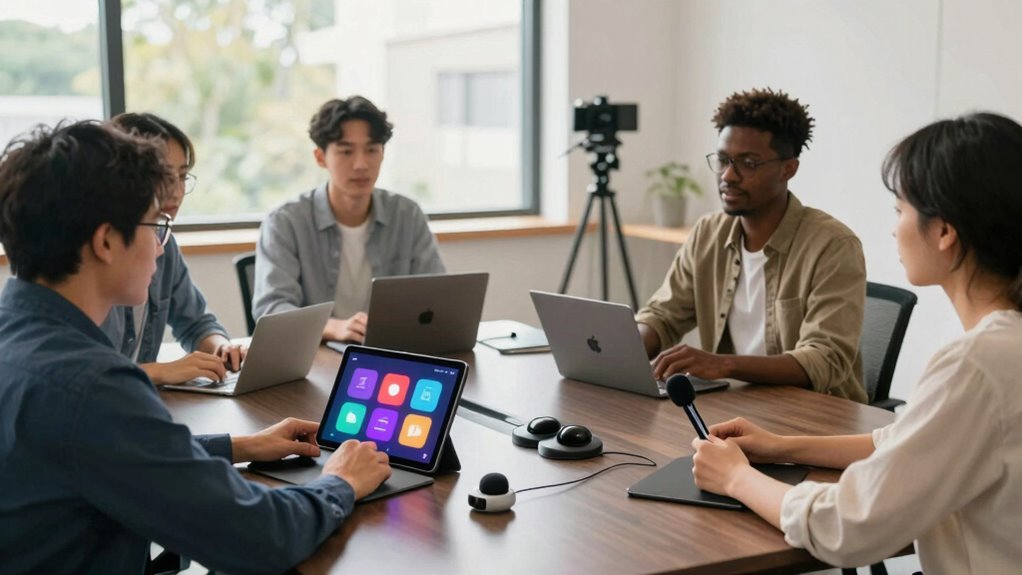
Have you ever considered how voice accessibility can transform the way your team collaborates? When you prioritize voice accessibility, you open the door to more inclusive communication, making sure everyone can contribute effectively. Great teams recognize that assistive technologies are essential tools in this process. These tools—like speech recognition software, voice-controlled applications, and adaptive devices—break down barriers for team members with disabilities or those who find traditional methods limiting. By integrating assistive technologies into your workflow, you enable a more seamless, accessible environment where everyone’s voice is heard. But simply having these tools isn’t enough. User training becomes crucial to guarantee your team knows how to utilize these technologies effectively. Proper training demystifies these tools, boosts confidence, and minimizes frustration. It’s about empowering your team members to leverage voice features efficiently, whether it’s dictating emails, navigating documents, or controlling presentations hands-free. Ensuring that your team understands the benefits of assistive technologies can motivate greater adoption and engagement.
Understanding that assistive technologies are only part of the equation highlights the importance of ongoing user training. When you invest in training sessions, tutorials, and support, you foster an environment where accessibility isn’t an afterthought but a core element of your team’s culture. This training should be tailored to different skill levels and roles, making sure everyone feels comfortable using voice tools. Additionally, promoting a mindset of continuous learning encourages team members to explore new features and share best practices, further enhancing collaboration. Recognizing that assistive technologies are central to equitable communication can help prioritize their integration and ongoing support within your team. Incorporating natural language processing techniques can further enhance voice recognition accuracy and usability, making these tools even more effective. Staying informed about assistive technology advancements allows teams to continuously improve their accessibility strategies. Investing in training and support ensures your team can maximize the benefits of voice accessibility and sustain an inclusive environment. Ultimately, your team’s success hinges on your ability to implement assistive technologies thoughtfully and support your team through effective user training. Doing so ensures that voice accessibility becomes ingrained in your team’s daily operations, helping everyone work smarter, collaborate more effectively, and thrive together.
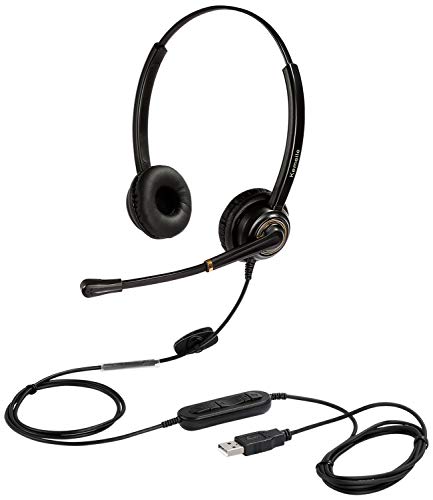
USB Headset with Microphone Noise Cancelling and Volume Controls, Computer PC Headphone with Voice Recognition Mic Works for Dragon Teams Zoom Skype Softphones Conference Calls Online Education etc
CRYSTAL CLEAR SOUND QUALITY: This USB computer headset with noise cancelling microphone and HD wideband speaker delivers you…
As an affiliate, we earn on qualifying purchases.
As an affiliate, we earn on qualifying purchases.
Frequently Asked Questions
How Does Voice Accessibility Impact Team Productivity?
Voice accessibility boosts team productivity by making communication seamless for everyone. When you incorporate assistive technology, team members with diverse needs stay engaged and contribute fully. This increased user engagement reduces misunderstandings and delays, allowing tasks to move faster. As a result, your team becomes more efficient, collaborative, and inclusive, ultimately driving better results and fostering a positive work environment where all voices are heard and valued.
What Are Common Challenges in Implementing Voice Accessibility?
You’ll face challenges like integrating assistive technology seamlessly into existing systems and ensuring consistent user engagement. Users may struggle with voice recognition accuracy or unfamiliar commands, which can hinder adoption. Additionally, balancing accessibility features with privacy concerns requires careful planning. To overcome these hurdles, you need to test thoroughly, gather feedback regularly, and adapt your voice solutions so they’re intuitive and inclusive, fostering better engagement across diverse team members.
How Can Teams Measure the Success of Voice Accessibility Efforts?
Think of success as a lighthouse guiding your efforts. You measure voice accessibility by tracking user experience improvements, like faster task completion and increased satisfaction. Engage stakeholders regularly to gather feedback and insights, ensuring your efforts align with real needs. Analyzing usage data and accessibility metrics helps you see if your solutions illuminate the path forward, fostering continuous improvement and demonstrating tangible progress in making voice technology truly accessible for everyone.
What Training Is Needed for Team Members on Voice Accessibility?
You need to provide team members with targeted training requirements focused on voice accessibility. This includes skill development in understanding diverse user needs, mastering voice command technologies, and recognizing accessibility barriers. Offer workshops, hands-on practice, and ongoing education to guarantee everyone stays updated on best practices. By investing in this training, your team enhances its ability to create inclusive, effective voice-enabled solutions that serve all users better.
How Does Voice Accessibility Influence Team Inclusivity?
Voice accessibility greatly boosts team inclusivity by enabling assistive communication for everyone, regardless of physical abilities. When you prioritize inclusive design, you create an environment where all members can contribute effectively and feel valued. This approach not only fosters collaboration but also demonstrates your commitment to diversity. By adopting accessible voice tools, you guarantee that each voice is heard, making your team more innovative, empathetic, and unified.

Rechargeable Mini Bluetooth Keyboard Voice Remote with Touchpad Backlit Portable Wireless Keyboard with 2.4G USB Dongle for PC, Projector, Android TV Box, USB Type C, Black
【All-in-One Control Hub】 Streamline your entertainment experience with this versatile Bluetooth remote! Featuring a rear mini keyboard, responsive…
As an affiliate, we earn on qualifying purchases.
As an affiliate, we earn on qualifying purchases.
Conclusion
Understanding voice accessibility isn’t just a nice-to-have; it’s essential. When teams prioritize inclusive voice tech, they tap into a 70% increase in productivity and innovation, according to recent studies. By making voice accessible, you empower everyone to contribute, no matter their abilities. Remember, a truly great team values diverse voices—literally and figuratively. Embrace voice accessibility, and watch your team thrive in ways you never imagined.

4 Pack Portable AAC Communication Devices for Autism Individuals with Communication Difficulties, Communication Device for Nonverbal Kids, Voice Recording Buttons for Schools, Home, Treatment Courses
AAC Device for People of All Ages: Our voice recording buttons are an effective communication tool for individuals…
As an affiliate, we earn on qualifying purchases.
As an affiliate, we earn on qualifying purchases.

Natural Language Processing with Python: Analyzing Text with the Natural Language Toolkit
Used Book in Good Condition
As an affiliate, we earn on qualifying purchases.
As an affiliate, we earn on qualifying purchases.