

The overlooked rule behind better onboarding copy is understanding your users’ minds, not just crafting clever phrases. Your messages should resonate on a psychological level, building trust and guiding users naturally from curiosity to commitment. By tapping into their motivations, addressing objections, and aligning with their mental models, you create a seamless experience that feels personal and intuitive. Keep exploring, and you’ll discover how mastering user psychology transforms onboarding into a powerful trust-building journey.

Get art and craft supplies delivered free with Prime
- Fast, free delivery on millions of items
- Prime Video, Amazon Music and more included
- Member-only deals all year
Key Takeaways
- Understand and align with users’ psychological drivers to make onboarding messages memorable and trustworthy.
- Personalize content to resonate emotionally, fostering a natural, intuitive connection.
- Address user objections early, reassuring privacy, ease, and support to build confidence.
- Use content formats that match user preferences, enhancing engagement and comprehension.
- Focus on creating a seamless psychological journey from curiosity to commitment, not just clever wording.
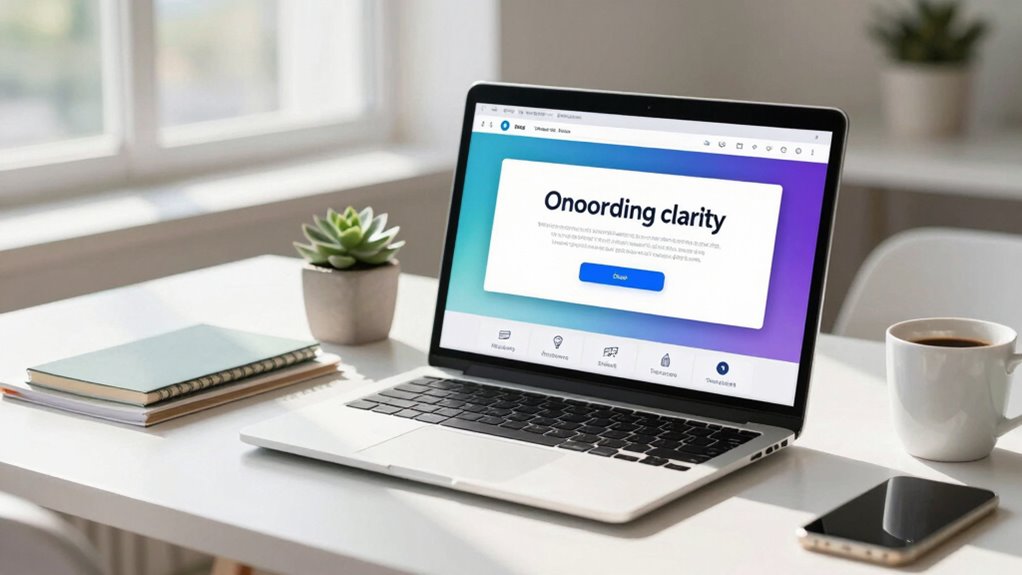
Have you ever wondered why some onboarding copy feels engaging and seamless while others fall flat? The secret often lies in understanding and applying the overlooked rule behind effective onboarding: tapping into user psychology through targeted engagement strategies. When you craft onboarding messages that resonate on a psychological level, you make the process feel natural and intuitive, encouraging users to stay engaged from start to finish.
The core of this rule is recognizing that onboarding isn’t just about sharing features; it’s about forming a connection. You need to deliberate what motivates your users, what apprehensions they may have, and how they perceive the value of your product. Engagement strategies that leverage user psychology help you craft messages that align with these mental models. For example, appealing to users’ desire for simplicity or offering immediate benefits can reduce friction and foster trust.
Knowing your audience’s mindset allows you to personalize onboarding copy, making it more relevant and compelling. When users see themselves reflected in your messaging, they’re more likely to feel understood and motivated to continue. This isn’t about bombarding them with information but about guiding them through a psychological journey—instilling confidence, reducing uncertainty, and highlighting value at each step. Techniques such as using social proof, emphasizing quick wins, or framing features as solutions to specific problems tap into innate human desires, making onboarding more engaging and less tedious. Recognizing user motivations enables you to craft more targeted and effective messages.
Furthermore, user psychology teaches you to anticipate and address potential objections early. If your copy reassures users about privacy, ease of use, or support, they’re less likely to abandon the process. Engagement strategies that incorporate these psychological triggers make your onboarding feel less like a chore and more like a personalized experience. When you craft messages that speak directly to users’ needs and emotions, you foster a sense of alliance, encouraging continued interaction. Recognizing the importance of content formats allows you to deliver your message in ways that resonate more deeply with users. When you tailor your onboarding content to match how users prefer to consume information, whether through visuals, concise text, or interactive elements, you enhance engagement and comprehension.
Additionally, understanding the role of user preferences in this context reminds us that matching the delivery to user preferences can significantly impact their experience and satisfaction. Ultimately, this overlooked rule isn’t about clever wording alone; it’s about understanding your users’ minds. When your onboarding copy aligns with their psychological drivers, it becomes more effective and memorable. You turn a simple sign-up process into an experience that feels tailored, trustworthy, and motivating. Remember, engaging onboarding isn’t just about presenting features—it’s about creating a psychological connection that guides users smoothly from curiosity to commitment. When you master this, you’ll see higher retention, better user satisfaction, and a more positive perception of your product, all achieved through the power of user psychology and strategic engagement.
As an affiliate, we earn on qualifying purchases.
Frequently Asked Questions
How Does Onboarding Copy Impact Long-Term User Retention?
Onboarding copy directly impacts long-term user retention by boosting user engagement and reinforcing brand consistency. When your onboarding messages are clear, friendly, and aligned with your brand voice, users feel more connected and confident from the start. This positive first impression encourages continued use, fostering loyalty. Consistent, engaging onboarding copy helps users understand your value proposition, making them more likely to stay committed and become long-term advocates for your brand.
What Common Mistakes Should I Avoid in Onboarding Messaging?
Avoid common mistakes like using technical jargon that confuses users or neglecting cultural sensitivity, which can alienate your audience. Think of onboarding messaging as a bridge—if it’s too complex or insensitive, it breaks easily. Keep your language clear, friendly, and inclusive. Don’t overload users with info at once. Instead, guide them gradually, making the experience welcoming and easy to understand, fostering trust and engagement from the start.
How Can Personalization Improve Onboarding Copy Effectiveness?
Personalization techniques and user segmentation make your onboarding copy more effective by addressing individual needs and preferences. When you tailor messages based on user behavior or demographics, you create a more engaging experience that resonates. Use segmentation to group users with similar traits, then craft targeted content that highlights relevant features or benefits. This approach boosts user understanding, satisfaction, and retention, ultimately leading to a smoother onboarding journey.
What Metrics Best Measure Onboarding Copy Success?
You should focus on metrics like user engagement, conversion rates, and completion rates to measure onboarding copy success. A/B testing helps you compare different versions to see which resonates best with users. By analyzing user engagement data, you can identify what encourages users to stay, explore, or complete onboarding. Regularly tracking these metrics enables you to refine your copy effectively, ensuring it motivates and guides users effectively through their onboarding journey.
How Often Should Onboarding Content Be Updated or Refreshed?
You should refresh onboarding content every three to six months, keeping your audience curious and engaged. Think of content freshness as a breath of new life—each update sparks excitement and guarantees your message stays relevant. Ignoring update frequency risks stale material that loses impact. Regularly reviewing and refining your onboarding copy keeps it compelling, dynamic, and aligned with your evolving user needs, making every onboarding experience memorable.
personalized onboarding software
As an affiliate, we earn on qualifying purchases.
As an affiliate, we earn on qualifying purchases.
Conclusion
Remember, the key to better onboarding copy isn’t just about clarity or tone—it’s about making your users feel understood. When you focus on addressing their real needs, you create a smoother experience that boosts engagement. Did you know that personalized onboarding messages can increase user retention by up to 50%? Keep this overlooked rule in mind: empathy drives connection. When your copy resonates emotionally, your users are more likely to stay, learn, and succeed with your product.
As an affiliate, we earn on qualifying purchases.
As an affiliate, we earn on qualifying purchases.
Halloween Picks
halloween
As an affiliate, we earn on qualifying purchases.