Storytelling through kinetic typography transforms static text into dynamic visual narratives that capture attention and evoke emotions. By leveraging movement, timing, and design, you can highlight key moments and build emotional connections with your audience. Synchronizing animations with sound or voice enhances immersion, making messages more memorable. Whether aiming for excitement, drama, or playfulness, tailored styles help shape perceptions. Keep exploring this powerful technique to craft compelling stories that resonate deeply.

Get art and craft supplies delivered free with Prime
- Fast, free delivery on millions of items
- Prime Video, Amazon Music and more included
- Member-only deals all year
Key Takeaways
- Kinetic typography transforms static words into dynamic visual narratives, enhancing emotional impact and memorability.
- It employs movement, timing, and design to emphasize key moments and evoke specific feelings.
- Synchronizing text animations with audio or music creates cohesive, immersive storytelling experiences.
- Customizable styles allow tailoring animations to match emotional tone, whether energetic, somber, or playful.
- Overall, it deepens understanding and emotional connection, making messages more persuasive and engaging.
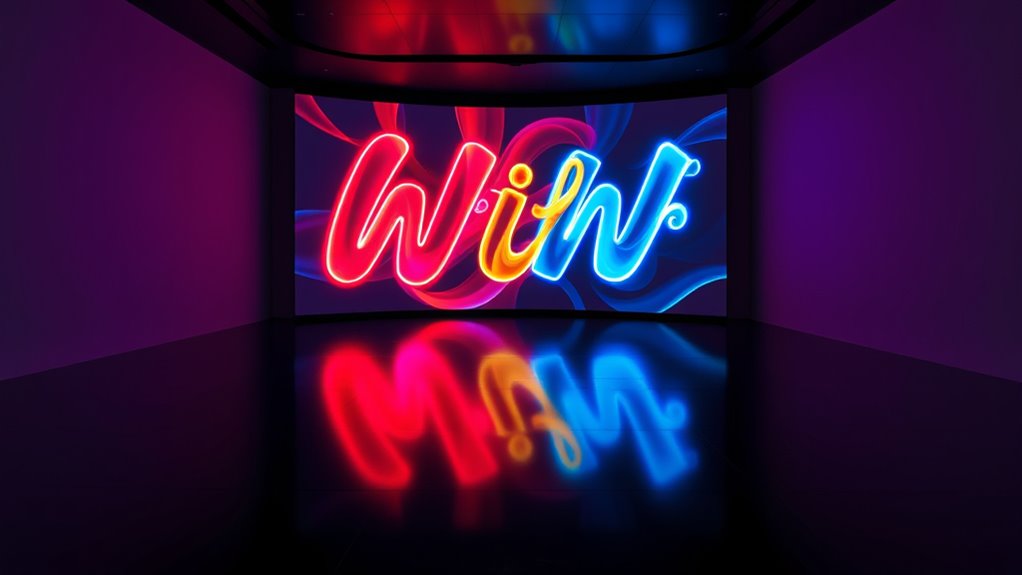
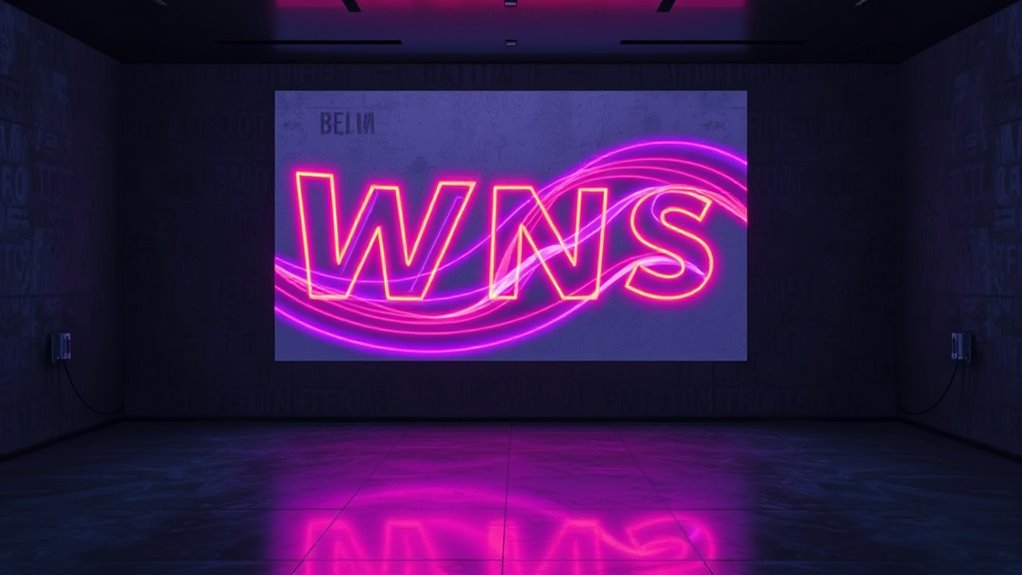
Kinetic typography transforms static words into dynamic visual stories, capturing your attention and conveying emotions more effectively. When you use kinetic typography for storytelling, you breathe life into your message, making it more memorable and engaging. It’s not just about displaying text; it’s about creating an experience that resonates with your audience on a deeper level. Through movement, timing, and design, you can craft a narrative that evokes specific feelings, enhances understanding, and leaves a lasting impression. This approach leverages visual storytelling techniques, where every movement and *shift* of text serves to underscore the message’s emotional impact.
Kinetic typography brings words to life, creating emotional and memorable visual stories.
As you incorporate kinetic typography into your projects, you harness the power of motion to guide viewers through your story. Instead of passively reading words, your audience experiences the story unfold before their eyes. You can emphasize key moments, highlight emotional peaks, or build suspense through strategic animations. For instance, slow, deliberate movements can evoke feelings of contemplation or sadness, while rapid, energetic shifts might generate excitement or urgency. By carefully choreographing these elements, you shape how your audience perceives and connects with your narrative, making the story more visceral and compelling. The emotional impact of your message becomes amplified because viewers are not just reading words—they’re feeling them.
Using kinetic typography effectively means understanding the rhythm of your story. You can synchronize text animations with audio, music, or voiceovers to create a cohesive experience. This synchronization enhances emotional resonance, making your message feel synchronized with the mood you want to evoke. When done well, your visual storytelling becomes a powerful tool for persuasion, education, or entertainment. You aren’t simply conveying information—you’re immersing your audience in an emotional journey. This emotional connection keeps viewers engaged and invested in your story from start to finish. Additionally, considering the visual appeal of your typography can further strengthen the overall impact of your narrative.
Moreover, kinetic typography allows you to experiment with different styles and techniques to match your narrative tone. Whether you want your story to feel energetic, somber, playful, or dramatic, you can tailor the animation style accordingly. This flexibility means you can craft a highly personalized storytelling experience that aligns perfectly with your message’s intent. As a result, your audience doesn’t just understand your story—they feel it. That’s the true power of combining visual storytelling with kinetic typography: creating an emotional impact that sticks with viewers long after the animation stops.
kinetic typography animation software
As an affiliate, we earn on qualifying purchases.
As an affiliate, we earn on qualifying purchases.
Frequently Asked Questions
What Are the Best Tools for Creating Kinetic Typography?
You should try Adobe After Effects for creating kinetic typography, as it offers powerful animation techniques and keeps up with current typography trends. It allows you to craft dynamic text movements and effects easily. Additionally, tools like Apple Motion and Blender are great for more complex animations. These tools help you stay innovative, ensuring your kinetic typography projects are engaging and visually appealing, perfectly suited for storytelling.
How Does Sound Influence Kinetic Typography Storytelling?
Sound influences kinetic typography storytelling by enhancing its emotional impact and guiding viewer engagement. When you incorporate sound design thoughtfully, it accentuates key moments, sets the tone, and reinforces the message. You can synchronize movement with audio cues, making the visuals more dynamic and compelling. By aligning sound with typography, you create a more immersive experience, helping your audience connect emotionally and understand the story more deeply.
Can Kinetic Typography Be Used for Live Presentations?
Yes, kinetic typography can be used for live presentations. It creates a strong visual impact that captures your audience’s attention and keeps them engaged. You can project dynamic text animations that emphasize key points, making your message more memorable. Just make certain you have the right tools and timing to sync the animations smoothly with your speech, enhancing overall audience engagement and making your presentation more compelling.
How Do Color Schemes Affect Message Clarity?
Color schemes substantially impact message clarity because they leverage color psychology and influence emotional responses. Bright, contrasting colors grab attention, while harmonious palettes improve visual harmony, making your message easier to understand. Using deliberate color choices guides viewers’ focus, reinforces your message, and avoids confusion. So, you should choose colors thoughtfully, ensuring they enhance clarity rather than distract, ultimately strengthening your storytelling through effective visual communication.
What Are Common Mistakes to Avoid in Kinetic Typography?
You should avoid font inconsistency and pacing mistakes in kinetic typography. Using too many different fonts can distract viewers and confuse your message. Additionally, rushing or dragging the timing of text movements can disrupt flow and reduce clarity. Keep your font choices consistent and match the pacing to your content’s tone. By doing so, you guarantee your message remains engaging and easy to follow, enhancing overall storytelling effectiveness.
As an affiliate, we earn on qualifying purchases.
Conclusion
As you master kinetic typography, remember it’s like wielding the pen of the modern Bard, shaping stories that resonate beyond words. Your animations become the Iliad of the digital age, weaving emotion and meaning through movement. Embrace this art, for in doing so, you craft narratives that echo the timeless power of storytelling itself—proof that, like the Muse guiding Homer, your visuals can inspire, move, and endure.
audio synchronized text animation tools
As an affiliate, we earn on qualifying purchases.
As an affiliate, we earn on qualifying purchases.
As an affiliate, we earn on qualifying purchases.
Fall Picks
fall essentials
As an affiliate, we earn on qualifying purchases.