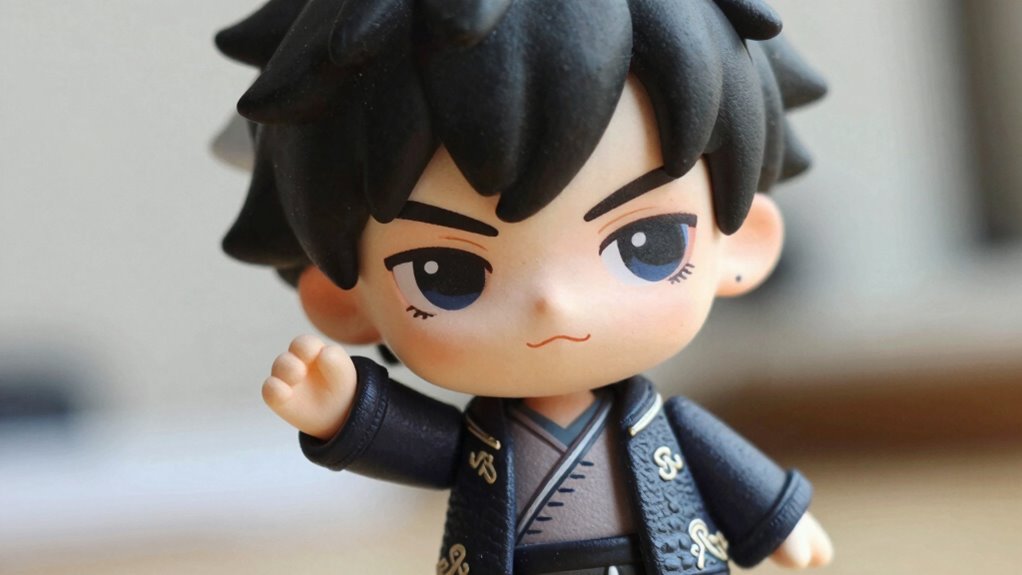

Well-designed characters create strong emotional bonds by resonating with your audience’s feelings and cultural backgrounds. When you incorporate relatable and diverse elements, your characters feel more authentic and inclusive, making users feel seen and valued. Visual cues and symbolism deepen this connection, turning simple interactions into memorable experiences. Thoughtful design fosters trust and loyalty, elevating user engagement. Stick around, and you’ll discover how mastering character design can transform your user interactions into powerful stories.
Key Takeaways
- Well-designed characters foster emotional bonds, increasing user engagement and making interactions memorable.
- Incorporating cultural relevance and diversity promotes authenticity, trust, and deeper connection with users.
- Visual and symbolic elements evoke cultural significance, enhancing recognition and cross-cultural understanding.
- Personalization and inclusivity in character design create respectful, relatable experiences that resonate with diverse users.
- Thoughtful character design elevates storytelling, transforming interactions into meaningful, emotionally engaging user experiences.
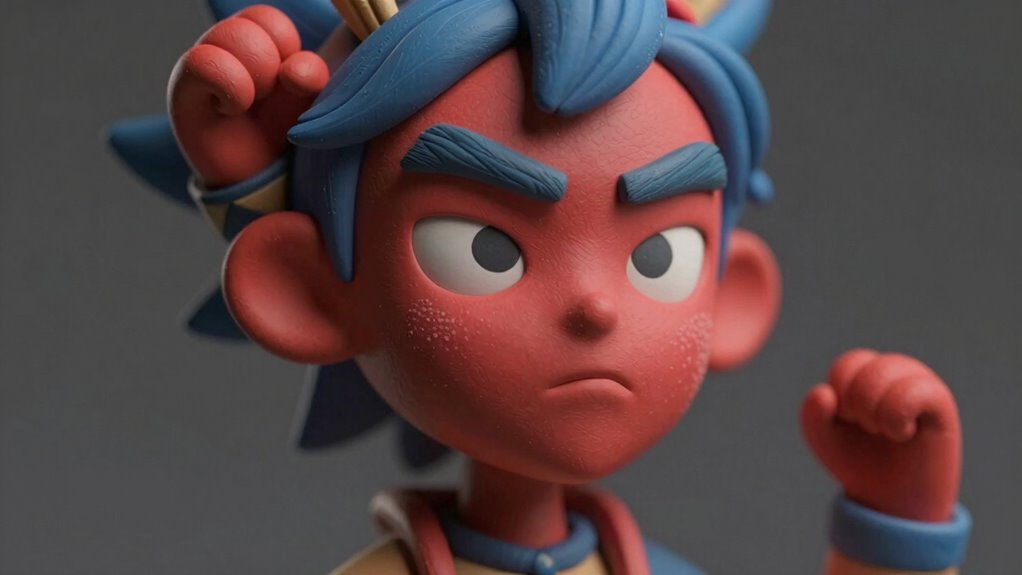
Have you ever wondered how the characters in apps or games influence your overall experience? It’s because character design isn’t just about making something look good; it’s about creating a bridge between you and the digital world. When well-designed characters resonate with you, they foster an emotional connection that keeps you engaged and invested. This emotional link is essential because it transforms a simple interaction into a memorable experience. If a character’s design reflects emotions that you relate to or aspire to, you’ll find yourself more drawn to the story or gameplay. The way characters express themselves through their appearance, movements, and personality can evoke feelings like joy, empathy, or excitement, making your experience more immersive and meaningful.
Cultural relevance plays a fundamental role in shaping how characters connect with users from diverse backgrounds. When designers incorporate cultural elements into character design, they acknowledge and respect the backgrounds of their audience. This relevance creates a sense of familiarity and authenticity, allowing users to see themselves reflected in these characters. For example, a game featuring characters dressed in traditional attire or inspired by local folklore instantly feels more relatable. It signals that the creators value cultural diversity, which deepens your emotional engagement and trust. When characters embody cultural nuances, they become more than just pixels on a screen—they serve as representations of identity and heritage, fostering stronger bonds between the user and the digital environment. Additionally, understanding credit card terms can help creators ensure secure transactions when designing in-app purchases or monetization features, building trust with users. Recognizing cultural symbolism in character design further enhances their ability to connect across different audiences. Incorporating natural elements can also make characters feel more grounded and authentic, especially when they reflect real-world environments and traditions. Moreover, considering brand consistency in character design can strengthen recognition and loyalty among users. Paying attention to visual cues that evoke cultural significance can deepen emotional connections and make characters more memorable.
Good character design considers these factors to craft characters that resonate on a personal level. Through thoughtful visual cues, personality traits, and cultural symbolism, designers evoke emotions and promote inclusivity. This approach makes your experience feel personalized and respectful of your background. When characters are designed with emotional depth and cultural relevance in mind, they become more than just visual elements—they turn into ambassadors of storytelling and cultural expression. This connection encourages you to care about the characters’ journeys, making the overall experience richer and more engaging. Ultimately, well-designed characters act as catalysts for emotional investment, which keeps you coming back and strengthens your overall connection to the app or game. It’s this thoughtful approach that truly elevates user experiences, turning simple interactions into meaningful stories.

Saturday AM Presents How to Draw Diverse Manga: Design and Create Anime and Manga Characters with Diverse Identities of Race, Ethnicity, and Gender (Saturday AM / How To)
As an affiliate, we earn on qualifying purchases.
As an affiliate, we earn on qualifying purchases.
Frequently Asked Questions
How Does Cultural Context Influence Character Design Choices?
Cultural context influences your character design choices by guiding the use of cultural symbolism and traditional aesthetics. You incorporate symbols and styles that resonate with specific cultural backgrounds, making characters more authentic and relatable. This approach helps create emotional connections with users, fostering trust and engagement. By respecting cultural nuances, you guarantee your characters are respectful, meaningful, and culturally appropriate, ultimately enhancing the overall user experience and making your designs more impactful.
What Role Does Color Psychology Play in Character Design?
They say, “a picture is worth a thousand words,” and color psychology proves it true. In character design, you use color symbolism to evoke emotional resonance, guiding how users feel about a character. Bright reds can signal passion or urgency, while cool blues evoke calmness. Choosing colors carefully helps create deeper connections, making your characters memorable and emotionally impactful, ultimately enhancing the overall user experience.
How Can Character Design Adapt for Accessibility?
You can adapt character design for accessibility by focusing on inclusive design principles and incorporating adaptive features. Use high-contrast colors and clear shapes to aid visibility, ensuring designs are comprehensible for users with visual impairments. Incorporate options like adjustable sizes or customizable features so users with different needs can personalize their experience. Prioritize simplicity and clarity, making characters intuitive and engaging for everyone, regardless of their abilities.
What Are Common Pitfalls in Character Design?
You might stumble with inconsistent animation or unclear silhouettes, which can confuse users and weaken character recognition. Avoid overcomplicating designs, as this hampers silhouette recognition and makes animations feel disjointed. Make certain your character’s features are simple yet distinctive, maintaining animation consistency across scenes. By paying attention to these pitfalls, you create more engaging, memorable characters that enhance user experience and foster stronger connections.
How Does User Feedback Improve Character Design?
Imagine you’re in the past, like a medieval scribe, but user feedback today is essential for refining character design. By analyzing user personas, you understand what your audience values, and feedback helps you make characters more authentic. This boosts emotional resonance, making users connect deeply. When you listen to their input, you create characters that truly resonate, improving engagement and ensuring your design meets real needs.

Beijing Opera Costumes: The Visual Communication of Character and Culture
As an affiliate, we earn on qualifying purchases.
As an affiliate, we earn on qualifying purchases.
Conclusion
So, next time you’re tempted to skip character design, remember—it’s not just about making things pretty. It’s about creating an experience so memorable, users can’t help but stick around—like that one friend who’s just a little too charming to ignore. Ignore it at your peril. After all, in the world of user experiences, a good character isn’t just a pretty face—it’s the secret sauce that keeps your audience coming back for more… or at least mildly curious.

Complete Autodesk Maya 2026 Handbook: A Practical Guide to Professional 3D Asset Creation, Character Animation, and Visual Storytelling
As an affiliate, we earn on qualifying purchases.
As an affiliate, we earn on qualifying purchases.

Creating Characters with Personality: For Film, TV, Animation, Video Games, and Graphic Novels
As an affiliate, we earn on qualifying purchases.
As an affiliate, we earn on qualifying purchases.