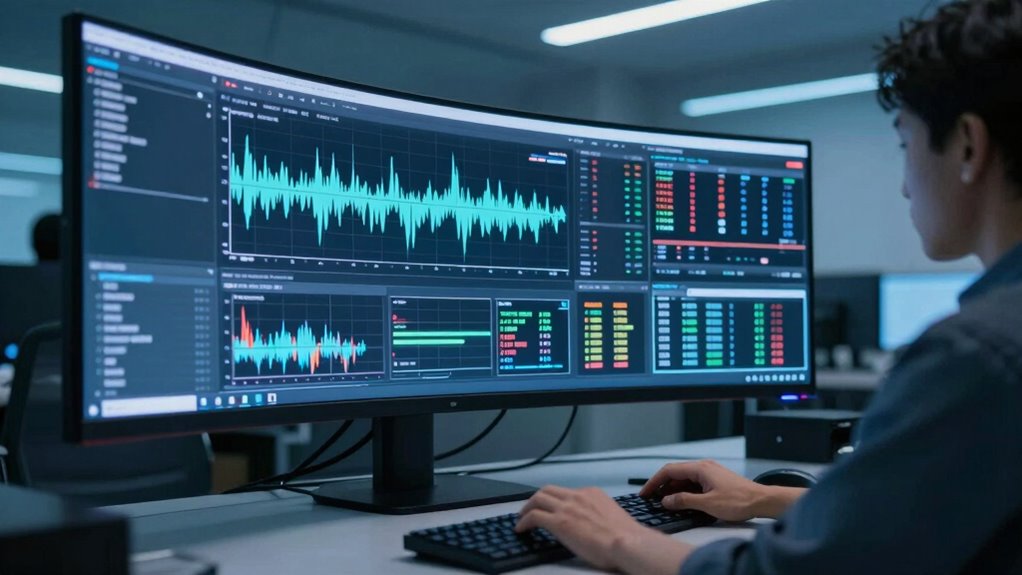

The biggest mistake that weakens real-time dashboards quickly is ignoring data latency issues. When data isn’t updated promptly, your dashboards become outdated and unreliable, causing frustration and mistrust among users. Delays in data flow hinder your team’s ability to respond swiftly and make informed decisions. If you keep neglecting these issues, your dashboards will lose value fast. Keep going, and you’ll discover key strategies to maintain fresh, accurate insights that truly empower your team.

Get art and craft supplies delivered free with Prime
- Fast, free delivery on millions of items
- Prime Video, Amazon Music and more included
- Member-only deals all year
Key Takeaways
- Ignoring data latency causes outdated information, reducing dashboard relevance and user trust.
- Failing to optimize data pipelines leads to slow data flow, weakening real-time insights.
- Relying on batch processing instead of streaming delays data updates, undermining timeliness.
- Inadequate infrastructure hampers high-speed data transfer, increasing latency and decreasing dashboard effectiveness.
- Overlooking data ingestion and processing efficiency results in stale data and poor decision-making.

Real-time dashboards promise instant insights, but if you overlook the significance of proper data management, they can quickly lose their effectiveness. The biggest mistake you might make is neglecting data latency. When data takes too long to reach your dashboard, it defeats the purpose of real-time monitoring. Instead of providing immediate insights, outdated information can mislead your decision-making process. This delay hampers your ability to respond swiftly to emerging issues or opportunities, which is vital for maintaining a competitive edge. You might think that simply connecting your data sources and setting up a dashboard is enough, but without addressing data latency, your dashboard becomes an unreliable tool. It’s vital to optimize data pipelines for speed, guaranteeing that information flows seamlessly and promptly. Otherwise, your user engagement drops because users become frustrated with stale data. If your team is constantly questioning the accuracy or timeliness of the insights, they’ll be less likely to rely on the dashboard altogether. This erosion of trust diminishes the value of real-time analytics and can lead to poor decisions based on outdated information.
Moreover, the impact of data latency extends beyond just individual user frustrations. It directly affects how your team collaborates and responds to key metrics. When insights are delayed, actions are postponed, and opportunities slip away. For example, if a sales dip isn’t reflected immediately, you might miss the chance to implement corrective measures in time. The same applies to operational metrics, where delays can cause inefficiencies or safety concerns. In this scenario, user engagement suffers because the dashboard no longer feels like an active, reliable tool but rather a static report. When users don’t trust what they see, they’re less inclined to interact with the dashboard, reducing its overall effectiveness. Recognizing the importance of data latency and actively working to reduce it is crucial for maintaining an accurate and timely view of your metrics.
To prevent this, you need to focus on reducing data latency through streamlined data ingestion and processing techniques. Implementing real-time data streaming solutions, optimizing database queries, and ensuring your infrastructure can handle high-speed data transfers are essential steps. When users see fresh, accurate data, they’re more likely to stay engaged and act quickly. A well-managed, low-latency system boosts confidence in your dashboards, fostering active user engagement and enabling faster, smarter decisions. In the end, overlooking data latency is a mistake that undermines the very benefits of real-time dashboards, making them less a tool for strategic advantage and more a source of confusion. Addressing it head-on ensures your dashboards remain powerful, trustworthy, and truly real-time.
real-time data streaming hardware
As an affiliate, we earn on qualifying purchases.
As an affiliate, we earn on qualifying purchases.
Frequently Asked Questions
How Can I Identify if My Dashboard Is Losing Real-Time Effectiveness?
You can tell your dashboard is losing real-time effectiveness if you notice increasing data latency, where updates lag behind real-time events. Also, if user engagement drops, users may find the data less useful or timely. Regularly monitor the refresh rates and user feedback. If data isn’t updating quickly enough or users aren’t interacting with the dashboard as much, it’s a clear sign you need to optimize for better real-time performance.
What Are the Signs of a Dashboard That’s Deteriorating Quickly?
You might notice your dashboard deteriorating quickly if data accuracy drops or user engagement declines. Even if you doubt the significance, these signs are critical—stale or inaccurate data can mislead decisions, while fewer users accessing the dashboard suggest it’s no longer meeting their needs. Keep an eye on these indicators, as they directly impact your dashboard’s effectiveness and your team’s ability to respond swiftly.
How Often Should Real-Time Dashboards Be Reviewed for Performance Issues?
You should review your real-time dashboards at least weekly to monitor user engagement and guarantee data accuracy. Frequent checks help you spot performance issues early, preventing slow load times or outdated data from affecting decision-making. By staying proactive, you keep the dashboard responsive, accurate, and useful. Regular reviews also allow you to fine-tune data sources and optimize performance, ensuring your dashboard remains a reliable tool for your team.
Are There Specific Industries More Prone to This Dashboard Mistake?
You’ll find that industries like finance, healthcare, and e-commerce are more prone to this mistake because of their industry-specific challenges and the critical need to minimize data latency. These sectors rely heavily on real-time insights, making delays and misconfigurations especially damaging. To avoid this, you must continuously optimize data flow, invest in robust infrastructure, and tailor your dashboards to meet the unique demands of your industry.
What Tools Help Monitor Dashboard Performance Over Time?
You can use tools like Google Analytics, Tableau, or Power BI to monitor your dashboard performance over time. These tools track user engagement, showing how users interact with your dashboards, and help identify data latency issues that slow updates. Regularly checking these metrics allows you to optimize performance, ensuring your dashboards stay responsive and valuable for decision-making. They’re essential for maintaining a smooth, effective real-time data experience.
As an affiliate, we earn on qualifying purchases.
Conclusion
Ignoring the importance of clear, focused data may seem harmless, but it’s like building a house on shifting sands—your dashboard quickly becomes unreliable. You might have real-time updates, but without proper design and purpose, those insights are useless. Think of a fast-moving train without tracks; it’s chaos. Stay intentional with your data, prioritize clarity, and avoid the trap of complexity. Because in the race for real-time insights, clarity wins every time.
database query optimization tools
As an affiliate, we earn on qualifying purchases.
As an affiliate, we earn on qualifying purchases.
data pipeline monitoring software
As an affiliate, we earn on qualifying purchases.
As an affiliate, we earn on qualifying purchases.
Halloween Picks
halloween
As an affiliate, we earn on qualifying purchases.