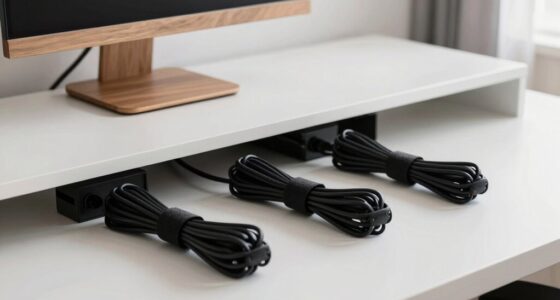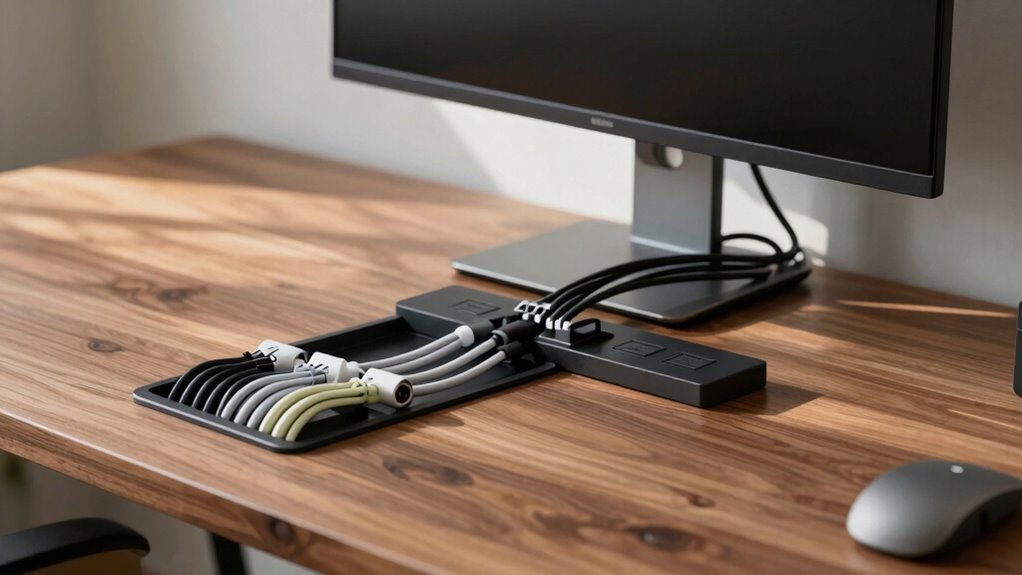

Before upgrading your workspace cable management, consider whether wireless options can reduce clutter and improve mobility. Plan your layout to guarantee cables are routed properly, minimizing stress and trip hazards, and use tools like clips or trays for organization. Focus on safety by keeping cables out of the way, and think ahead for future device additions. Proper planning makes your workspace safer and more efficient. Keep going, and you’ll uncover essential tips to make your upgrade successful.

Get art and craft supplies delivered free with Prime
- Fast, free delivery on millions of items
- Prime Video, Amazon Music and more included
- Member-only deals all year
Key Takeaways
- Assess current workspace layout and identify areas prone to clutter or cable stress.
- Consider wireless options to reduce cable volume and improve organization.
- Choose appropriate cable management tools like clips, trays, or sleeves for a tidy setup.
- Plan outlet placement and power sources to minimize long, tangled cords.
- Prioritize safety, ease of maintenance, and future flexibility when upgrading cable management solutions.
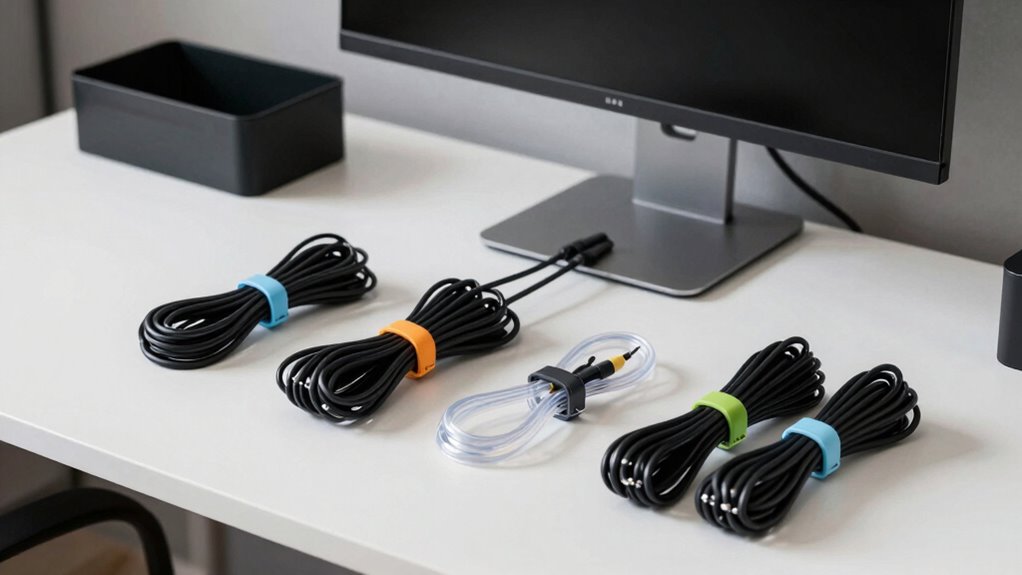
Are tangled cables cluttering your workspace and causing frustration? Before upgrading your cable management system, it’s essential to contemplate the latest options that can streamline your setup. One of the most significant changes you might want to explore is switching to wireless alternatives. Wireless peripherals, such as keyboards, mice, and speakers, can drastically reduce the number of cables running across your desk. This not only creates a cleaner, more organized space but also minimizes tripping hazards and makes cleaning easier. However, before making the switch, take into account factors like connectivity stability, latency, and compatibility with your existing devices. High-quality wireless options often provide comparable performance to wired ones, but it’s worth investing in reliable brands to avoid interruptions during work or gaming sessions.
Switching to wireless peripherals reduces clutter, enhances safety, and simplifies cleaning, but ensure stable connectivity and compatibility first.
In addition to wireless alternatives, you should evaluate your current setup from an ergonomic perspective. Proper ergonomic considerations help you avoid strain and discomfort, especially if you spend long hours at your desk. When upgrading your cable management, think about how your cables are routed and how accessible your devices are. Using cable sleeves or conduits can keep cables neatly bundled and out of the way, but make sure they don’t interfere with your movement or access to essential items. Position your devices to minimize stretching or twisting cables, which can cause wear over time. Incorporating ergonomic principles into your setup can further enhance your comfort during prolonged periods of work. Additionally, considering cable durability can help you choose solutions that withstand daily wear and tear. To ensure longevity, selecting high-quality cables designed for durability is also a smart move. Incorporating proper cable routing techniques can significantly reduce clutter and prevent accidental disconnections. Also, understanding how to manage cable stress can help extend the lifespan of your cables and prevent premature failure.
Another vital aspect is examining your workspace’s physical layout. Measure the available space and identify areas where cables tend to clutter or get tangled. This helps you decide on the best cable management tools, like under-desk trays, clips, or cable ties. When you plan for upgrades, think about future needs as well—adding new devices or upgrading existing ones. Incorporating flexible solutions, such as modular cable organizers, ensures your workspace remains tidy as your technology evolves. Also, consider the power sources—using surge protectors and strategically placing outlets can reduce the need for long, exposed cords.
Finally, keep in mind that upgrading your cable management isn’t just about aesthetics; it’s about creating a safer and more efficient environment. Good cable organization can prevent accidents, protect your devices, and make troubleshooting easier when issues arise. By thoughtfully contemplating wireless options and ergonomic design, you set yourself up for a workspace that’s not only tidy but also conducive to productivity and comfort. Planning ahead and choosing the right tools will make your upgrade worthwhile, transforming your cluttered desk into a sleek, organized hub.
As an affiliate, we earn on qualifying purchases.
Frequently Asked Questions
How Do I Prioritize Cables for Management?
To prioritize cables for management, start by identifying essential connections like your power strip and critical peripherals. Focus on organizing cables that carry power and data, ensuring they’re neat and accessible. Use cable organizers or clips to keep them tidy, avoiding tangles. Keep frequently used cables within easy reach, while less-used ones can be grouped and tucked away. Proper cable organization reduces clutter and makes upgrades or troubleshooting much easier.
What Tools Are Essential for Upgrading Cable Management?
To upgrade your cable management, you need essential tools like cable labeling tags and zip ties for neat organization. A cable sleeve or conduit helps with cord concealment, making your workspace look tidy. Use scissors or wire cutters to trim excess zip ties and a cable tester to guarantee everything functions properly after your upgrade. These tools help you achieve a clean, efficient setup that’s easy to maintain.
Can I Upgrade Cable Management Without Rewiring?
Yes, you can upgrade your cable management without rewiring by focusing on cable labeling and strategic power strip placement. Labeling cables helps you identify and organize them neatly, while repositioning power strips can reduce clutter and improve accessibility. Use cable clips or sleeves to secure existing cables, and consider rerouting them along walls or furniture. This approach keeps your workspace tidy without the hassle of rewiring.
How Often Should I Review My Workspace Cable Setup?
Think of your workspace cable setup as a garden needing regular tending. You should review it every 3 to 6 months to keep things tidy and safe. During this time, check cable labeling for clarity and reorganize power strip placement to prevent clutter or hazards. Regular reviews help catch loose connections and guarantee your workspace remains efficient, reducing the risk of accidents and making future upgrades smoother.
Are There Any Safety Considerations During Upgrades?
During upgrades, prioritize electrical safety to prevent accidents. Always disconnect power before handling cables, and avoid overloading outlets to reduce the risk of electrical fires. Use proper cable sleeves and ties to prevent cable fire hazards, ensuring cables are not pinched or damaged. Regularly inspect your setup for signs of wear or loose connections. Staying cautious and following safety guidelines helps protect your workspace and keeps everything functioning smoothly.
cable management clips and trays
As an affiliate, we earn on qualifying purchases.
As an affiliate, we earn on qualifying purchases.
Conclusion
Before you plunge into upgrading your workspace cable management, remember, it’s more than just tidying up—it’s about creating a seamless, efficient environment. Imagine your desk transformed, cables neatly hidden, wires running like a well-orchestrated symphony. But beware: the real challenge lies ahead, in choosing the right solutions that blend form and function. Take this step carefully, and you’ll open a workspace that’s not only organized but ready to elevate your productivity—just waiting for you to make it happen.
under desk cable organizer sleeve
As an affiliate, we earn on qualifying purchases.
As an affiliate, we earn on qualifying purchases.
ergonomic cable management solutions
As an affiliate, we earn on qualifying purchases.
As an affiliate, we earn on qualifying purchases.
Halloween Picks
halloween
As an affiliate, we earn on qualifying purchases.