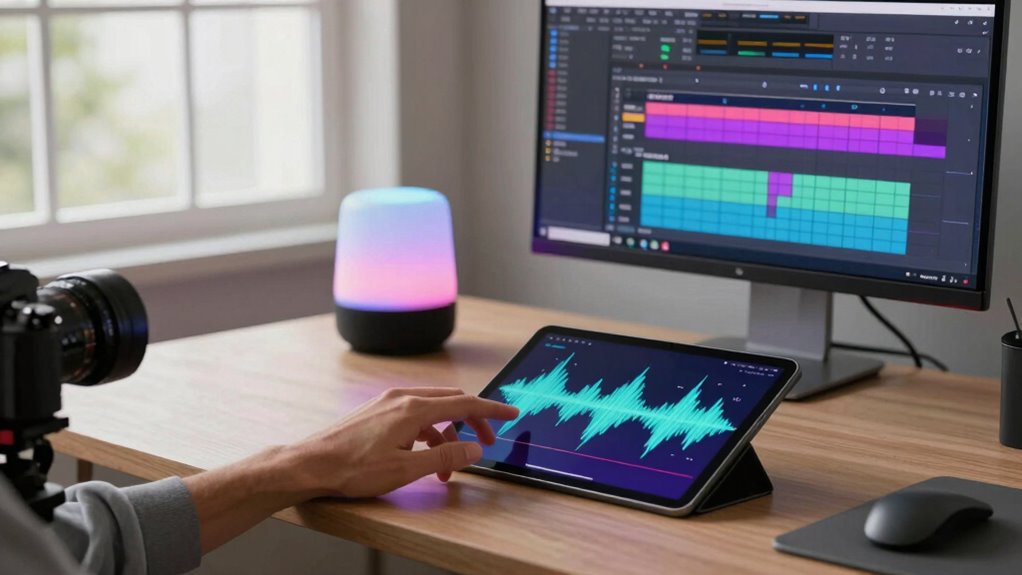

Voice prompts are key to guiding users effortlessly through complex tasks and making interactions feel natural. Well-designed prompts improve accessibility for all users, including those with disabilities, and help prevent frustration or errors. They also enhance multimodal interfaces by aligning visual and audio cues, broadening system reach. Poor prompts can cause confusion and abandonment, but when carefully crafted, they boost user satisfaction and system effectiveness. Keep exploring to understand how you can create more impactful voice prompts.
Key Takeaways
- Voice prompts significantly impact user experience by guiding seamless interactions and reducing frustration.
- Well-designed prompts enhance accessibility, making technology more inclusive for diverse user needs.
- High-quality prompts improve system effectiveness by facilitating clearer communication and task completion.
- Combining visual and audio cues in prompts supports multimodal interaction, broadening system usability.
- Continuous user feedback and refinement ensure prompts stay clear, effective, and aligned with user expectations.

Voice prompts often go unnoticed, but their significance in user experience cannot be overstated. When you interact with a voice-enabled system, whether it’s a virtual assistant, an IVR system, or a smart home device, the prompts you hear shape your overall impression and ease of use. They’re the silent guides that steer you through complex menus or help you accomplish tasks smoothly. If these prompts are clear, intuitive, and well-designed, your experience becomes seamless, reducing frustration and confusion. Conversely, poorly crafted prompts can create obstacles, leading to misunderstandings or even abandonment of the system altogether. That’s why, as a designer, understanding the importance of voice prompts is vital to developing effective, user-centric interfaces. Incorporating Free Floating elements can enhance the natural flow of voice prompts by allowing for more dynamic and engaging interactions.
One of the key ways voice prompts impact user experience is through accessibility improvements. When you create prompts that are easy to understand and follow, you make technology more inclusive for users with diverse needs. For example, clear, simple language benefits individuals with cognitive disabilities, while concise prompts help users with visual impairments or those who rely on screen readers. Well-designed prompts also consider the pace and tone, ensuring users aren’t overwhelmed or confused. This attention to accessibility fosters a sense of empowerment, allowing all users to navigate systems confidently and independently. Incorporating color accuracy and other visual elements in tandem with voice prompts can further enhance the overall user experience, especially in multimodal interfaces. Ensuring that visual cues align with audio clarity can significantly improve comprehension and reduce errors. Enhancing accessibility through well-crafted voice prompts isn’t just a courtesy; it’s a fundamental aspect of modern design that broadens your system’s reach and usability. Recognizing the role of user feedback in refining prompt clarity is also crucial for ongoing improvements, as it provides valuable insights into usability and overall effectiveness.

DancingMango Voice Recording Button: Language Development, Learning Tool, Family & Classroom Use, Communication Fun, USB Rechargeable (Set of 4)
HIGH-QUALITY SOUND: Immerse yourself in crystal-clear audio with our Voice Recording Buttons, ensuring superior sound quality.
As an affiliate, we earn on qualifying purchases.
As an affiliate, we earn on qualifying purchases.
Frequently Asked Questions
How Do Voice Prompts Impact User Trust and Confidence?
Voice prompts directly impact your user’s trust and confidence by fostering an emotional connection and demonstrating cultural sensitivity. When prompts sound natural and considerate of diverse backgrounds, users feel understood and respected, boosting their trust. Clear, empathetic prompts reduce confusion and frustration, encouraging continued interaction. By designing with emotional connection and cultural awareness, you create a more engaging experience that builds lasting confidence in your technology.
What Are Common Mistakes to Avoid in Designing Voice Prompts?
Think of designing voice prompts as planting seeds—you want them to grow smoothly. Avoid common mistakes like grammar errors, which can confuse users, and overlook cultural sensitivity, risking offense. Keep prompts clear, natural, and inclusive. Don’t make prompts too complex or robotic, as that can frustrate users. Instead, craft friendly, conversational prompts that feel genuine, ensuring they resonate across diverse audiences and enhance overall user experience.
How Can Voice Prompts Be Personalized for Different Users?
You can personalize voice prompts by incorporating user customization options, allowing users to choose their preferred language, tone, or style. Additionally, consider cultural adaptation by tailoring prompts to reflect users’ cultural backgrounds, idioms, and preferences. This approach makes interactions more engaging and relatable, enhancing user satisfaction. Always gather feedback to refine personalization features continuously, ensuring your voice prompts resonate well with diverse users and foster a more inclusive experience.
What Is the Role of Tone and Personality in Voice Prompts?
Did you know that 70% of users find tone and personality essential in voice prompts? You should focus on emotional resonance and cultural considerations to create engaging prompts. Your tone shapes user experience, making interactions feel friendly or professional. By aligning personality with your audience’s preferences, you foster trust and clarity, ensuring your voice prompts resonate deeply. This approach turns simple commands into meaningful, memorable conversations.
How Do Voice Prompts Influence Overall User Experience and Satisfaction?
Voice prompts considerably influence your overall user experience and satisfaction by fostering emotional engagement and demonstrating context awareness. When prompts are warm and personalized, they make interactions feel more human, boosting trust and comfort. Additionally, context-aware prompts adapt to your situation, reducing confusion and frustration. This seamless, empathetic approach keeps you engaged, making your experience smoother and more satisfying, ultimately encouraging continued use and positive feedback.
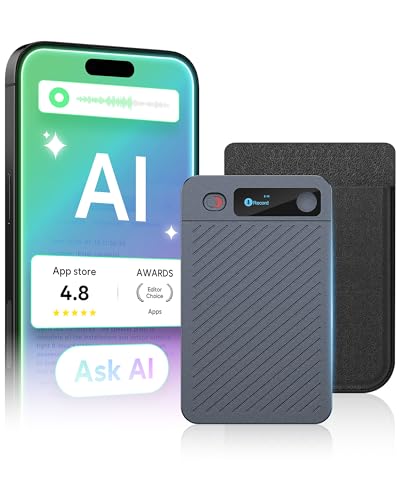
AI Voice Recorder, 64GB Note Taking Device w/Magnetic Case, App Control, AI Technology Transcribe & Summarize Free, 121 Languages, 45H Battery, Audio Recorder for Lectures Meetings Calls
𝗡𝗲𝘅𝘁-𝗚𝗲𝗻 𝗔𝗜 𝗡𝗼𝘁𝗲 𝗧𝗮𝗸𝗶𝗻𝗴 𝗗𝗲𝘃𝗶𝗰𝗲 𝘄𝗶𝘁𝗵 𝗚𝗣𝗧-𝟰𝗼 𝗜𝗻𝘁𝗲𝗴𝗿𝗮𝘁𝗶𝗼𝗻: Transform your productivity with this advanced AI voice recorder that…
As an affiliate, we earn on qualifying purchases.
As an affiliate, we earn on qualifying purchases.
Conclusion
Remember, the devil’s in the details, and voice prompts are no exception. They shape user experience, guide actions, and create a seamless interaction. Don’t overlook their power—small changes can make a big difference. When you pay attention to voice prompts, you’re building trust and reducing frustration. So, keep in mind: the little things often have the greatest impact. In the world of design, attention to voice prompts can truly set you apart.

Conversations with Things: UX Design for Chat and Voice
As an affiliate, we earn on qualifying purchases.
As an affiliate, we earn on qualifying purchases.
AI Voice Recorder, 64GB Note Taking Device w/Magnetic Case, App Control, AI Technology Transcribe & Summarize Free, 121 Languages, 45H Battery, Audio Recorder for Lectures Meetings Calls
𝗡𝗲𝘅𝘁-𝗚𝗲𝗻 𝗔𝗜 𝗡𝗼𝘁𝗲 𝗧𝗮𝗸𝗶𝗻𝗴 𝗗𝗲𝘃𝗶𝗰𝗲 𝘄𝗶𝘁𝗵 𝗚𝗣𝗧-𝟰𝗼 𝗜𝗻𝘁𝗲𝗴𝗿𝗮𝘁𝗶𝗼𝗻: Transform your productivity with this advanced AI voice recorder that…
As an affiliate, we earn on qualifying purchases.
As an affiliate, we earn on qualifying purchases.