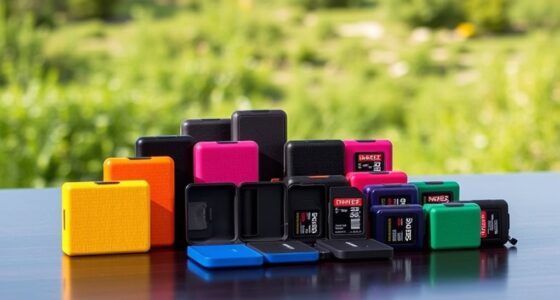

The right art supplies for school projects can mean the difference between a stressful Sunday night and a smooth crafting session, but the biggest tradeoff is almost always bulk pricing versus actual need. For most families and classrooms, the Crayola Construction Paper Bulk Pack (480 sheets) is the best overall pick because it covers the widest range of projects at the lowest cost per sheet. If your child’s teacher requests a specific glue, the Elmer’s Disappearing Purple School Glue Sticks 12-pack strikes the best balance between price and quantity, while the Crayola Colored Pencils 36-count handles the detail work that paper and glue simply can’t. Glue quantity is the trickiest decision here — the same formula comes in three pack sizes with very different value math. Read on for the full breakdown of what each option does best and which ones are worth skipping.

Get art and craft supplies delivered free with Prime
- Fast, free delivery on millions of items
- Prime Video, Amazon Music and more included
- Member-only deals all year
Key Takeaways
- The Crayola 480-sheet construction paper pack won on sheer cost per sheet — roughly half the price of the smaller Prang pack — but Prang’s 12×18 sheets cover poster-board-scale projects that 9×12 paper can’t.
- All three Elmer’s glue stick options use essentially the same formula, so the decision is purely about pack size: the 30-count is the best per-stick value, while the 3-count suits households with only occasional projects.
- The disappearing purple formula is easier for kids to use correctly than clear glue, since they can see where glue has been applied before it dries.
- Air dry clay is the only option here for 3D projects like dioramas and model-making, but it requires planning ahead because finished pieces need 24-72 hours to fully harden.
- Colored pencils were the most versatile single purchase in the lineup — they work for posters, science fair boards, and detailed assignments across multiple grade levels, outlasting project-specific supplies.


| art supplies for school project | Quantity | Best Use |
|---|---|---|
| Crayola Construction Paper Bul | 480 sheets | Classroom crafts, collages, school projects |
| Elmer’s Disappearing Purple Sc | 3 glue sticks | Paper crafts, school projects, scrapbooking |
| Elmer’s Disappearing Purple Sc | 12 glue sticks | Classroom distribution, paper crafts, school projects |
| Crayola Air Dry Clay | — | — |
| Crayola Colored Pencils | 36 pencils | Coloring, school projects, detail work, labeling |
| Prang Construction Paper | — | Posters, dioramas, school crafts |
| Elmer’s All Purpose School Glu | 30 sticks | — |
More Details on Our Top Picks
Crayola Construction Paper Bulk Pack (480 Sheets) – 10 Assorted Colors, 9×12
Every school project starts with paper, and this is the pick I’d build an entire supply closet around. 480 sheets across 10 colors means a full class can cut, fold, and collage without rationing, which is the real advantage over the Prang Construction Paper 50-sheet pack — that one works for a single assignment, while this one survives a semester. The sheets are thick enough to hold glue and paint without warping, which matters when paired with the Elmer’s glue sticks later in this list.
The tradeoff is size: at 9×12 inches, this paper caps out at standard projects. Posters and science-fair display backdrops will need the larger 12×18 Prang format instead. There’s also no recycled-content claim, so eco-conscious buyers may want to look elsewhere.
Pros:- 480-sheet bulk quantity covers a whole classroom for months
- Thick, sturdy sheets handle glue, paint, and cutting without tearing
- 10 well-rounded colors cover nearly every project theme
- Cheaper per sheet than small-format packs like the 50-sheet Prang option
Cons:- Limited to 9×12 inches, unusable for large posters or display boards
- No recycled or eco-friendly material claims
Best for: Teachers and parents stocking a classroom or household for months of craft projects
Not ideal for: Students needing poster-sized sheets for display boards — the 9×12 format is too small
- Quantity:480 sheets
- Colors:10 assorted colors
- Sheet Size:9×12 inches
- Color Options:Pink, Red, Orange, Yellow, Green, Blue, Purple, Brown, Black, White
- Material:Sturdy construction paper
- Best Use:Classroom crafts, collages, school projects
Our verdict“Buy this if you want one paper purchase that lasts the school year; skip it if your project demands poster-sized sheets.”
Elmer’s Disappearing Purple School Glue Sticks, Washable, 3 Count
Not every family needs a mountain of adhesive. This 3-pack of full-size 22g glue sticks makes sense for a single student or one household project cycle, where the Elmer’s 30-Count All Purpose pack would be overkill and the 12-pack of smaller sticks would run dry faster. The standout feature is the purple-goes-clear application: younger kids can actually see where they’ve glued, which cuts down on the detached-corner disasters that plague poster night.
It’s washable, acid-free, and photo-safe, so it works on photos and display boards without damage. The catch is simple — three sticks disappear quickly once a class project season hits, and glue sticks in general can’t handle heavy 3D attachments like the Crayola Air Dry Clay sculptures elsewhere in this roundup.
Pros:- Purple application shows exactly where glue lands, great for young kids
- Full-size 22g sticks last longer per stick than smaller 6g versions
- Washable and non-toxic, safe for younger children
- Photo-safe and acid-free for scrapbooks and display boards
Cons:- Only 3 sticks per pack — poor value for frequent crafters
- Not strong enough for heavy-duty or 3D bonding
Best for: Parents buying for one or two kids who need reliable glue without bulk waste
Not ideal for: Classroom teachers or large families — 3 sticks won’t survive group project season
- Quantity:3 glue sticks
- Weight:22 grams each
- Color:Purple (goes on purple, dries clear)
- Safe For:Paper, cardboard, foam board, display board
- Features:Washable, acid-free, photo-safe, non-toxic
- Best Use:Paper crafts, school projects, scrapbooking
Our verdict“The right buy for a single student’s desk; anyone supplying a group should size up to a bigger pack.”
Elmer’s Disappearing Purple School Glue Sticks, Washable, 12 Pack
This is the middle-ground glue buy, and arguably the smartest one. Compared with the 3-count purple sticks above, you get four times the count for a much better per-stick price — but each stick is a smaller 6g size, so it’s a quantity-over-capacity play. Against the Elmer’s 30-Count All Purpose pack, it trades raw volume for the disappearing purple advantage, which genuinely helps kids see coverage and avoid wasted glue.
The smaller format actually suits school pencil cases and group settings where sticks get passed around and lost. The drawbacks mirror all glue sticks: no heavy-duty bonding, and some kids may find the bright purple application distracting during detailed collage work. For standard paper-to-paper school projects, though, this pack hits the sweet spot.
Pros:- 12-stick count offers the best per-stick value in this roundup’s glue options
- Purple-then-clear application reduces mess and missed spots
- Compact 6g size fits pencil cases and travel kits
- Washable, non-toxic formula safe for children
Cons:- Small 6g sticks run dry faster than the 22g versions
- Not suitable for heavy-duty or dimensional bonding
- Purple color can be distracting for fine detailed work
Best for: Classroom teachers and club leaders who need many glue sticks distributed across students
Not ideal for: Anyone gluing wood, fabric, or heavy 3D elements — glue sticks can’t handle that load
- Quantity:12 glue sticks
- Weight:6 grams per stick
- Color:Purple (goes on purple, dries clear)
- Features:Washable, non-toxic, photo-safe
- Best Use:Classroom distribution, paper crafts, school projects
Our verdict“The best buy when many kids need their own glue stick; pick the 3-count if you only need a few long-lasting ones.”
Crayola Air Dry Clay (5 lbs), Natural White Modeling Clay for Kids and Art Projects
When a project needs dimension — a volcano model, a diorama figure, a solar system — paper and glue won’t cut it. This 5-pound bucket of air-dry clay is the roundup’s answer to 3D assignments, and the re-sealable container is a real differentiator: leftover clay stays soft instead of turning into a brick overnight, something loose-bag clays can’t match. Compared with the Crayola Construction Paper pack, this isn’t an either/or choice — it’s the supply that handles what paper physically can’t.
The tradeoffs are patience and finishing. Projects need air-drying time before handling or painting, so last-minute deadlines are risky, and the plain white surface usually demands paint — the Crayola Colored Pencils in this list won’t help here; tempera or acrylic will.
Pros:- 5-pound bulk quantity supports classroom and group sculpting
- Re-sealable bucket keeps unused clay fresh between sessions
- No kiln or baking required — hardens on its own
- Supports traditional sculpting techniques for educational value
Cons:- Requires hours of air-drying time before projects are handleable
- Plain white finish usually needs separate paints for polished results
Best for: Students and teachers building dioramas, models, and sculptures that need real dimension
Not ideal for: Last-minute project nights — drying time makes same-day completion impractical
- Weight:5 lbs
- Color:Natural White
- Material:Air dry clay
- Drying Method:Air dry, no kiln needed
- Storage:Re-sealable bucket
- Suitable For:Kids, classrooms, art projects
Our verdict“The must-have supply the moment a project goes 3D, as long as you plan ahead for drying and painting time.”
Crayola Colored Pencils (36 count), Classroom and Art Supplies for Kids & Adults
Where the construction paper pack delivers bold blocks of color, this 36-count pencil set handles everything paper can’t: shading, lettering, labeling diagrams, and the fine details that make a project look finished rather than assembled. The presharpened pencils arrive ready to use, which sounds minor until the night before a deadline. Crayola’s cores are also more durable than bargain pencils, resisting the snapping that derails younger artists mid-drawing.
The limitation is ceiling, not quality. Serious art students will eventually outgrow 36 colors and want a blending-grade set, and these aren’t ideal for covering large background areas — that’s a job for paint or cut paper. For the average school project, though, the range comfortably covers maps, posters, and reports.
Pros:- 36 vibrant colors cover most school project palettes
- Presharpened and ready to use out of the box
- Durable cores resist breaking under kid-level pressure
- Works equally well for kids’ projects and adult coloring or labeling
Cons:- 36 colors may fall short for elaborate or blended artwork
- Not efficient for filling large background areas
Best for: Students who need precise coloring, labeling, and shading for posters and reports
Not ideal for: Advanced art students needing blendable, artist-grade pencils with a wider color range
- Quantity:36 pencils
- Features:Presharpened, durable, vibrant colors
- Suitable For:Kids & adults
- Best Use:Coloring, school projects, detail work, labeling
Our verdict“The detail-work companion to paper and glue — buy it for labeling and shading, not for large-scale color coverage.”
Prang Construction Paper, 10 Assorted Colors, 12″ x 18″, 50 Sheets
When a school project calls for a large-format backdrop — a solar system diorama, a history fair poster, a life-size tracing — sheet size matters more than sheet count. That’s where this Prang pack earns its spot: the 12″ x 18″ dimensions give kids twice the working area of the Crayola 9×12 bulk pack, which is better suited to quantity-driven cut-and-paste work. The medium-weight groundwood stock folds cleanly without cracking and cuts easily with safety scissors, so younger students can work independently. The ten colors are consistent from sheet to sheet, which sounds minor until you’ve seen off-brand packs with patchy dye jobs. The tradeoff is real, though: 50 sheets disappear fast in a classroom or a multi-kid household, so this pick makes the most sense for one-off big projects rather than year-round crafting. Skip it if you need heavy cardstock for 3D builds.
Pros:- 12×18 sheets are double the area of standard 9×12 paper, ideal for posters and backdrops
- Folds and cuts cleanly without cracking, even with kid-safe scissors
- Bright, consistent color from sheet to sheet
- Recyclable and reasonably priced for a name-brand pack
Cons:- Only 50 sheets — thin supply for classrooms or multi-child households
- Medium weight buckles under heavy glue, paint saturation, or 3D structural builds
Best for: Students and parents tackling one big display project — posters, dioramas, or tri-fold backdrops — who need larger sheets than standard 9×12 packs
Not ideal for: Classrooms or large families burning through paper weekly — 50 sheets won’t last, and the Crayola 480-sheet bulk pack costs less per sheet
- Brand:Prang
- Colors:10 assorted
- Sheet Size:12 x 18 inches
- Sheet Count:50
- Paper Weight:Medium (groundwood)
- Recyclable:Yes
- Best Use:Posters, dioramas, school crafts
Our verdict“Buy this for the big display project where sheet size matters; buy a bulk 9×12 pack instead if your kids go through construction paper like snacks.”
Elmer’s All Purpose School Glue Sticks, 30 Count, 7g each
Glue sticks vanish in a school year the way pencils do — which is why a 30-count box is the smarter arithmetic than the Elmer’s Disappearing Purple 3-pack or 12-pack elsewhere in this roundup. Per stick, this set costs meaningfully less, and for a household with multiple kids or a teacher stocking a supply cabinet, that difference adds up fast. The formula applies smoothly, dries clear and clump-free, and bonds paper, cardboard, and foam board — everything a standard diorama or collage demands. It’s also washable and nontoxic, so a smear on a shirt sleeve is a non-event. Two honest caveats: unlike the Disappearing Purple version, the glue goes on clear, so younger kids can’t see where they’ve already glued and tend to over-apply. And at 7g per stick with modest holding power, it’s not the tool for attaching heavier embellishments — liquid glue does that job better.
Pros:- 30-count box delivers the best per-stick price in this roundup
- Dries quickly, clearly, and without clumps on paper and foam board
- Washable and nontoxic, so cleanup from clothes and skin is easy
- Acid-free and photo safe for scrapbooks and keepsake projects
Cons:- Goes on clear, so young kids can’t see coverage and often over-apply
- 7g sticks with light bonding strength struggle with heavy or 3D elements
Best for: Parents and teachers buying for a full school year or multiple kids who want the lowest cost per glue stick
Not ideal for: Preschoolers who need to see where glue has been applied — the Disappearing Purple sticks are the better teaching tool
- Brand:Elmer’s
- Type:All-purpose school glue sticks
- Quantity:30 sticks
- Weight per Stick:7 grams
- Washable:Yes
- Nontoxic:Yes
- Acid-Free / Photo Safe:Yes
- Bonds To:Paper, cardboard, foam board
Our verdict“This is the stock-up pick for families and classrooms — just pair it with the purple sticks if your youngest is still learning where the glue goes.”

How We Picked
I evaluated each product against the demands of real school projects: versatility across assignment types, cost per use, kid-friendly usability, and how well the pack size matches typical family or classroom consumption. Supplies that covered more project types ranked higher than one-trick options, and bulk packs only earned their spot if the per-unit price actually justified the upfront commitment. I also weighed cleanup and mess factor, since washability and ease of use matter as much to parents supervising the project as to the kid making it.
The ranking reflects a simple logic: foundational supplies that appear in nearly every project (paper, glue, coloring tools) sit at the top, while specialized materials like clay fill specific niches lower down. Where the same product appeared in multiple sizes — as with the Elmer’s glue sticks — I separated them because the right choice depends entirely on household size and project frequency, not product quality.
| art supplies for school project | Best Use |
|---|---|
| Crayola Construction Paper Bul | Classroom crafts, collages, school projects |
| Elmer’s Disappearing Purple Sc | Paper crafts, school projects, scrapbooking |
| Elmer’s Disappearing Purple Sc | Classroom distribution, paper crafts, school projects |
| Crayola Air Dry Clay | — |
| Crayola Colored Pencils | Coloring, school projects, detail work, labeling |
| Prang Construction Paper | Posters, dioramas, school crafts |
| Elmer’s All Purpose School Glu | — |
Factors to Consider When Choosing Art Supplies For School Projects
Stocking up on school project supplies involves more than grabbing whatever’s on the supply list. These are the broader factors that separate smart purchases from wasted spending.Match Pack Size to Actual Consumption
The most common mistake families make is buying bulk when a small pack would do — or the reverse. A 30-count glue stick box makes sense for a classroom or a household with multiple kids, but a family with one child doing four projects a year will watch half those sticks dry out before they’re used. Glue sticks have a shelf life of roughly one to two years once opened, so oversizing the pack wastes money even when the per-stick price looks unbeatable. The same logic applies to paper: 480 sheets sounds excessive until you account for mistakes, restarts, and sibling sharing. My rule of thumb is to buy bulk for supplies that don’t expire (paper, pencils) and size down for anything that dries out (glue, paint, clay).
Paper Size Dictates Project Type
Standard 9×12 construction paper handles most classroom crafts, but many school projects — book report posters, science fair backdrops, timeline displays — call for larger formats. This is where buying the wrong size becomes a late-night problem, because two 9×12 sheets taped together never looks as clean as a single 12×18 sheet. If your child’s grade level regularly assigns poster projects, the larger paper is worth the higher per-sheet cost. Parents of younger children in kindergarten through second grade can safely stick with the smaller format, since most early projects involve cutting shapes rather than displaying them. Checking what sizes the teacher requests on the supply list before shopping saves a redundant purchase.
Washability and Mess Factor
Not all kid art supplies clean up the same way, and this matters more for school projects than casual crafting because deadlines leave less time for wardrobe changes. Washable glue sticks and water-based clay wash out of clothes with ordinary laundry, while traditional white liquid glue creates residue that survives the wash cycle. Younger kids benefit most from the disappearing purple formula because it provides visual feedback — they can see coverage, which reduces both waste and glue-everywhere disasters. Air dry clay sits in the middle: it’s non-toxic and washes off hands easily, but ground-in crumbs on carpet are a genuine nuisance. If your project sessions happen at the kitchen table an hour before bedtime, prioritize washable formulas over marginal performance gains.
Drying Time and Project Deadlines
Timeline is the factor most families forget until it’s too late. Air dry clay needs 24 to 72 hours to fully cure, which means a diorama assigned for Thursday needs to start Monday — painting on a still-damp clay surface leads to cracking and smudging. Glue sticks bond nearly instantly on paper, which is why teachers prefer them over liquid glue for younger grades despite liquid glue’s stronger hold on heavier materials. If a project combines clay, glue, and paint, the total working time compounds quickly. Before buying supplies, work backward from the due date and confirm the material set can realistically deliver a finished result in the time available.
One Child Versus Classroom Buying
Buying for a single student and buying for a classroom are completely different economics, and products marketed to both often serve neither well. Classroom buyers should calculate per-student costs — a 30-pack of glue sticks stretches across a class of 25 for barely one project each, so bulk cases make sense. Families, on the other hand, frequently overbuy classroom-sized quantities and end up donating unused supplies years later. There’s also a middle category: families with two or three kids close in age, where mid-size packs hit the sweet spot. Be honest about which buyer you are before the bulk pricing tempts you.
Quality Tiers and When They Matter
Student-grade supplies from brands like Crayola and Prang are deliberately engineered for kids — softer pencil cores, more forgiving paper, glue that washes out — and upgrading to artist-grade versions usually backfires for school work. Professional colored pencils have harder cores that require more pressure and control, frustrating younger kids, and premium paper’s heavier weight matters little for a poster that gets graded and recycled. The one place quality jumps are worth it: construction paper that fades. Cheaper packs often use dye-based color that washes out under classroom lighting within weeks, while name-brand paper holds color longer on displayed projects. Spend the upgrade money on paper, not on coloring tools.
Frequently Asked Questions
Is the 30-pack of Elmer’s glue sticks overkill for one child?
For a single child, yes, in most cases — unless that child is in a grade where glue-heavy crafts are weekly events. Opened glue sticks gradually dry out over one to two years, so a 30-count box only pays off if you’ll realistically use 20 or more sticks in that window. A middle schooler who occasionally glues a report cover needs far fewer sticks than a second grader building paper collages every week. If multiple kids share supplies or you donate extras to the classroom, the bulk math changes completely. For solo occasional use, the 12-pack hits a better balance between per-stick price and realistic consumption.
Should I buy 9×12 or 12×18 construction paper for school projects?
Check the teacher’s supply list first, because size requests usually track the grade’s project style. Younger grades (K-3) mostly cut shapes and do small crafts, so 9×12 works fine and the bulk packs in that size offer the best value. Upper elementary and middle school assignments shift toward posters, timelines, and presentation boards where a 12×18 sheet covers more area and looks cleaner than taped-together pieces. If the budget allows only one, 9×12 in bulk covers the majority of assignments, and you can buy a small pack of larger sheets as poster projects come up. Some families keep both, which covers every assignment type without waste.
How long does Crayola Air Dry Clay take to dry, and can it be painted?
Expect 24 hours for thin pieces and up to 72 hours for thick or solid forms, with drying time also depending on humidity. Pieces thicker than about half an inch crack more often because the outside cures faster than the inside, so hollowing out bulky forms or building around a foil armature improves results. Once fully dry, the clay takes tempera and acrylic paint well, but painting too early traps moisture and causes cracking or cloudiness. For a school diorama due Friday, the clay work should ideally start by Tuesday to leave room for painting and assembly. Sealing finished pieces with a clear coat prevents chipping if the project needs to survive handling.
Are colored pencils or markers better for school projects?
They serve different jobs, and most projects actually benefit from both. Colored pencils excel at detail work, written labels, shading, and anything displayed vertically — they don’t bleed through paper or smear on a poster board. Markers cover large areas faster and produce bolder color from across a classroom, which matters for presentation boards judges or classmates view from a distance. The practical downside of markers is drying out when caps get left off, especially in shared classroom settings, while pencils last years with occasional sharpening. If choosing one for a stock-up purchase, the 36-count pencil set offers more longevity and versatility across grade levels.
What’s the difference between disappearing purple and clear glue sticks?
The difference is visibility during application, and it matters most for younger kids. Purple glue goes on colored so children can see exactly where they’ve glued, then dries clear — this feedback dramatically reduces both missed corners and glue-heavy blobs. Clear glue sticks perform identically once dry but leave kids guessing about coverage, which leads to re-gluing and wasted sticks. Teachers of early grades often specifically request the purple formula for this reason. For older students doing precise work, either formula works fine since they can judge glue placement by feel and amount. Since the price difference is negligible, the purple version is the safer default for any household with kids under ten.
Conclusion
The right pick depends on what kind of buyer you are. For best overall, the Crayola Construction Paper Bulk Pack (480 sheets) delivers the foundation of nearly every school project at the lowest cost per sheet in this lineup. The Elmer’s All Purpose Glue Sticks 30-count takes best value for classrooms and multi-kid households, cutting the per-stick price well below the smaller packs. For best premium, the Prang 12×18 Construction Paper covers poster-scale assignments the smaller format can’t, with noticeably sturdier stock. First-time school-supply shoppers and parents of young kids get the easiest start with the Elmer’s Disappearing Purple 12-pack — the visible purple formula makes correct gluing nearly foolproof. The Crayola Colored Pencils 36-count earn most versatile for spanning grade levels and assignment types, while the Crayola Air Dry Clay is the specialty pick for 3D projects like dioramas — just start it days before the deadline. And if you only need glue for one or two assignments a year, the 3-count purple pack is all the household requires without waste.
Fall Picks
fall essentials
As an affiliate, we earn on qualifying purchases.