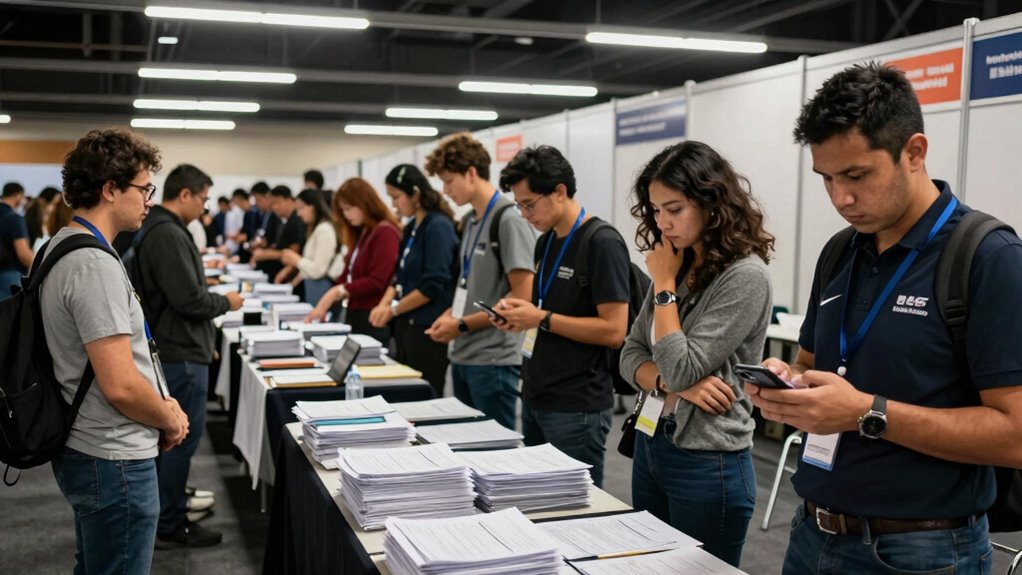

Relying on generic or insufficient incentives can considerably slow down your recruitment efforts. When your incentives don’t match what your target audience values, or aren’t clearly communicated, you risk discouraging participation and attracting unsuitable candidates. This mistake can make your outreach less effective and reduce overall engagement. To turn things around, you need to craft tailored incentives and promote them clearly. Keep going, and you’ll discover ways to overcome these recruitment hurdles more easily.

Get art and craft supplies delivered free with Prime
- Fast, free delivery on millions of items
- Prime Video, Amazon Music and more included
- Member-only deals all year
Key Takeaways
- Relying on limited or generic recruitment channels reduces reach and slows participant acquisition.
- Failing to clearly communicate the value and incentives discourages engagement.
- Neglecting follow-up and timely reminders leads to participant drop-off.
- Using ineffective or inconsistent messaging diminishes response rates.
- Overlooking audience-specific preferences hampers connection and motivation to participate.
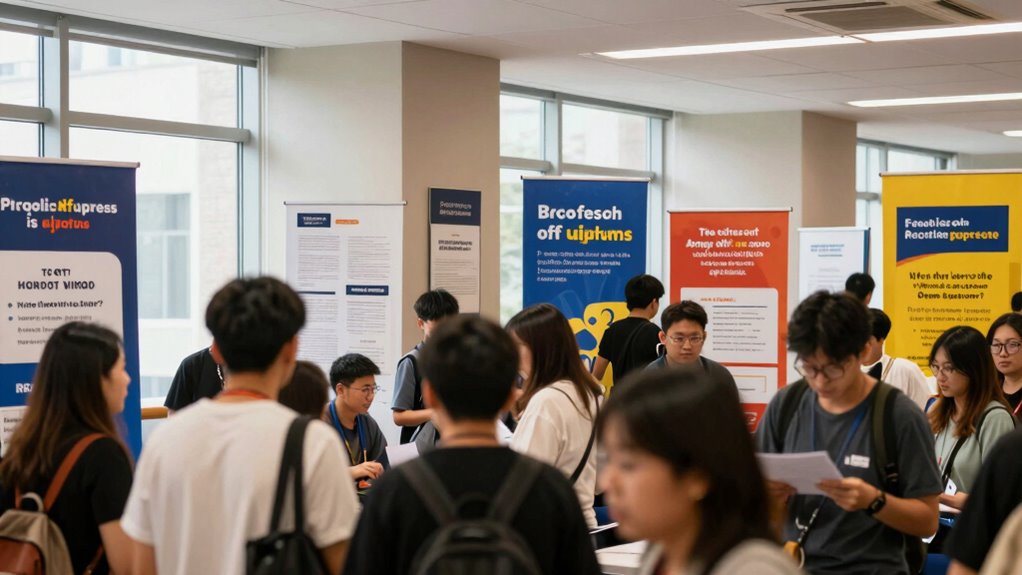
Recruiting participants quickly can be a challenge, especially when overlooked mistakes hinder your efforts from the start. One of the biggest errors you might be making is not carefully planning your participant incentives and relying on narrow or ineffective recruitment channels. When you don’t tailor incentives to your target audience, you risk discouraging participation or attracting the wrong crowd. Offering generic or insufficient participant incentives can fail to motivate engagement, making it harder to hit your recruitment goals. Think about what truly appeals to your potential participants—whether it’s monetary compensation, gift cards, or access to exclusive content—and emphasize these perks clearly in your outreach.
Tailor incentives to your audience and diversify channels to boost quick participant recruitment.
Equally important is the way you approach recruitment channels. If you stick to just one or two sources, you limit your reach and increase the time it takes to find suitable participants. For example, posting only on a single social media platform or relying solely on email lists can significantly slow down recruitment. Instead, diversify your channels. Use social media, community forums, targeted email campaigns, and even offline methods like flyers or community events. The more channels you utilize, the better your chances of connecting with a diverse pool of participants who fit your criteria. Additionally, tailor your messaging to suit each platform’s audience to maximize engagement. Recognizing the importance of media literacy can help you craft messages that resonate more effectively across different audiences and prevent misunderstandings that could hinder recruitment. Developing effective communication strategies is also crucial to convey your message clearly and persuasively.
Many people overlook the importance of clear, compelling communication when recruiting. If your outreach messages aren’t concise, engaging, or transparent about what’s involved, potential participants may overlook or ignore your call for participation. Make sure your messaging emphasizes the value of participating, details what’s expected, and clearly states the participant incentives. Including testimonials or success stories can also boost credibility and motivate others to join. A well-crafted outreach strategy can significantly improve your response rates and streamline your recruitment process.
Another common mistake is underestimating the power of follow-up. If you don’t maintain communication with interested participants or fail to send timely reminders, you risk losing their interest altogether. Keep your recruitment process active by providing updates, answering questions promptly, and thanking participants for their time and effort. This approach builds trust and encourages ongoing engagement. Additionally, understanding mental wellbeing can help tailor your messaging to resonate more effectively with potential participants, fostering a sense of shared purpose and motivation. When participants feel valued and understood, they are more likely to stay committed and complete your study or project.
participant incentive gift cards
As an affiliate, we earn on qualifying purchases.
As an affiliate, we earn on qualifying purchases.
Frequently Asked Questions
How Do I Identify the Most Common Recruiting Mistakes?
You identify common recruiting mistakes by analyzing your candidate targeting and incentive strategies. Pay attention to patterns like low engagement or slow response rates, which may indicate you’re not reaching the right candidates or offering appealing incentives. Review your messaging, outreach channels, and rewards to see where improvements are needed. Regularly seek feedback and track your recruitment metrics to spot recurring issues and refine your approach effectively.
What Are Quick Strategies to Boost Participant Interest?
To quickly boost participant interest, use targeted incentive strategies like gift cards or exclusive access to motivate participation. Enhance your communication channels by leveraging social media, email, and direct outreach to reach a broader audience. Be clear, concise, and engaging in your messaging, emphasizing the benefits and importance of the study. Regular follow-ups and personalized messages help maintain enthusiasm, ensuring more people stay committed and interested throughout the recruitment process.
How Can I Measure Recruitment Success Effectively?
You can measure recruitment success effectively by tracking key recruitment metrics like response rates, enrolment numbers, and conversion rates. Use participant incentives to motivate engagement and see how they influence these metrics. Regularly analyze this data to identify trends and areas needing improvement. This approach helps you understand the impact of your strategies, optimize your efforts, and guarantee you’re attracting the right participants efficiently.
What Tools Can Streamline the Participant Recruitment Process?
Did you know that 78% of participants are more likely to join if they trust your recruitment branding? To streamline your process, use tools like email automation platforms and online survey software. Incorporate compelling participant incentives and clear branding to attract interest quickly. These tools help you reach more potential participants efficiently, saving time and increasing engagement. By emphasizing your recruitment branding and offering incentives, you make participation appealing and straightforward.
How Do I Maintain Participant Engagement Over Time?
To maintain participant engagement over time, you should offer motivational incentives that keep them interested and valued. Keep communication consistent, updating participants regularly on progress and next steps, so they feel involved and appreciated. Personalize interactions to build rapport, and be responsive to their questions or concerns. This approach nurtures trust, encourages continued participation, and reduces dropout rates, ensuring your study remains on track.
diverse recruitment channel tools
As an affiliate, we earn on qualifying purchases.
As an affiliate, we earn on qualifying purchases.
Conclusion
So, next time you rush to recruit participants, remember: the biggest mistake isn’t always what you overlook, but how you assume speed trumps quality. Ironically, by trying to recruit fast, you might just end up with unreliable data that slows your progress even more. Sometimes, patience isn’t a virtue—it’s the secret weapon. So, take a breath, slow down, and realize that rushing can be the very thing that sabotages your success.
communication strategy templates
As an affiliate, we earn on qualifying purchases.
As an affiliate, we earn on qualifying purchases.
As an affiliate, we earn on qualifying purchases.
Fall Picks
fall essentials
As an affiliate, we earn on qualifying purchases.