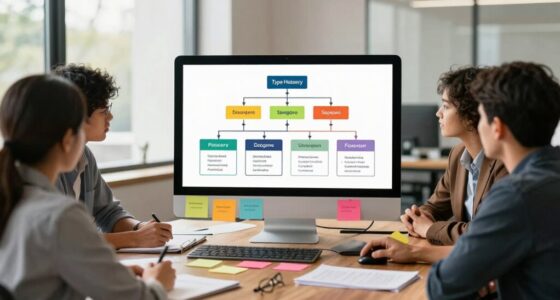

Thoughtful motion type enhances your user experience by guiding your focus and providing clear feedback, making interactions feel natural and intuitive. When motion is well-timed and predictable, it builds your trust and reduces confusion. Smooth, natural animations create a welcoming and engaging environment, encouraging you to stay longer and explore more. By balancing visual appeal with functionality, you’ll notice how seamless and memorable your digital experiences can become—if you explore further, you’ll uncover even more ways motion shapes strong user experiences.

Get art and craft supplies delivered free with Prime
- Fast, free delivery on millions of items
- Prime Video, Amazon Music and more included
- Member-only deals all year
Key Takeaways
- Thoughtful motion creates smooth, engaging interactions that enhance user enjoyment and build trust.
- Properly timed transitions guide focus and improve content processing efficiency.
- Natural and aesthetic motion makes interfaces more organic, inviting, and environmentally conscious.
- Consistent and predictable animations foster familiarity, reducing cognitive load and increasing usability.
- Well-designed motion balances visual appeal with functionality, encouraging deeper user engagement.
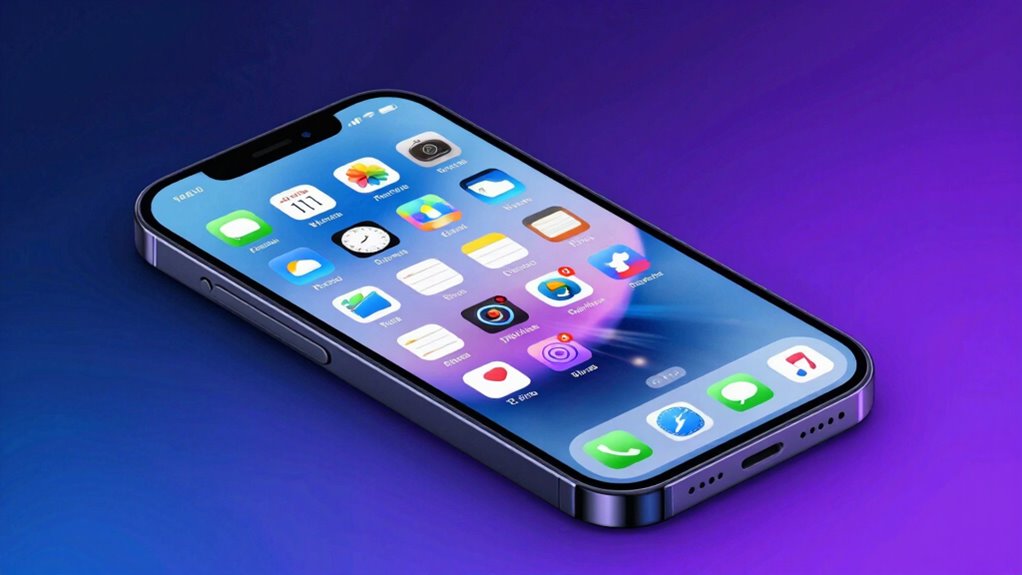
Have you ever wondered why some websites feel intuitive and enjoyable to use while others frustrate you at every click? One key factor is how motion type influences the overall user experience. When you design with thoughtful motion, you create a smoother, more engaging journey that guides users seamlessly through your site or app. Motion isn’t just about making things look good; it’s about reinforcing interactions and providing clear cues. For instance, subtle animations can serve as interactive feedback, confirming when you’ve completed a task or hovered over a button. This kind of feedback minimizes confusion because it instantly communicates what’s happening, reducing the cognitive load on your users. Instead of second-guessing whether their action registered, they see a clear, responsive response, making the experience feel natural and effortless.
Choosing the right motion type also impacts how users process information. Too much or poorly timed animation can overload your visitors’ cognitive capacity, leading to distraction or frustration. When motion is used intentionally—like transitions that gently guide your focus from one section to another—you help users process content more efficiently. This careful balance prevents them from feeling overwhelmed and keeps their attention anchored on what truly matters. Think of motion as a way to prioritize information; it subtly directs the eye and emphasizes important elements without overwhelming the senses. Additionally, understanding the impact of motion on cognitive load can help designers create more balanced and effective interfaces. Incorporating natural movement inspired by natural pools and landscaping can also enhance the aesthetic appeal and sensory experience, making interfaces feel more organic and inviting. Moreover, aligning motion with sustainable practices ensures that digital experiences remain environmentally conscious and considerate of resource usage. Recognizing the role of environmental considerations in design can lead to more mindful and responsible user experiences.
Furthermore, the consistency of motion type plays a critical role in creating a cohesive user experience. When animations follow a predictable pattern, users learn to anticipate interactions, which builds trust and confidence. For example, if clicking a menu item consistently triggers a smooth slide-in animation, users quickly understand how the interface works, reducing mental effort. This predictability enhances usability because it aligns with how our brains naturally expect feedback and change. As a result, your design becomes more intuitive, and users feel more comfortable steering your digital environment.
Ultimately, the strategic use of motion type transforms a static interface into a lively, responsive environment that communicates clearly and feels enjoyable to explore. When you pay attention to interactive feedback and carefully manage cognitive load through motion, you craft user experiences that are not only visually appealing but also highly functional. This seamless integration of motion into your design encourages users to stay longer, engage more deeply, and leave with a positive impression. In the end, thoughtful motion type isn’t just decoration – it’s a powerful tool that shapes stronger, more memorable user experiences.
As an affiliate, we earn on qualifying purchases.
Frequently Asked Questions
How Does Motion Influence User Attention and Focus?
Motion influences your attention and focus by guiding your eyes through a visual hierarchy, highlighting important elements naturally. When motion is used thoughtfully, it boosts cognitive engagement, making interfaces more intuitive and easier to navigate. You’ll find your focus stays on critical features longer, as motion directs your attention seamlessly without overwhelming you. Properly applied motion enhances your overall user experience, ensuring you stay engaged and oriented throughout your digital journey.
What Are Common Motion Design Mistakes to Avoid?
Think of designing motion like conducting an orchestra; avoid common mistakes like neglecting gesture feedback or rushing animation timing. If gestures feel unresponsive or animations are too quick or sluggish, users get confused or frustrated. Guarantee smooth, timely changes that guide attention naturally. Don’t overdo effects; subtlety maintains clarity. By mastering these, you create harmonious experiences, making users feel understood and engaged rather than overwhelmed or lost amidst chaotic motion.
How Can Motion Improve Accessibility for Users With Disabilities?
Motion can greatly improve accessibility by incorporating accessible animations and inclusive shifts. You should guarantee animations are optional, avoid flashing or rapid movements, and provide users with controls to pause or disable motion. Using clear, predictable changes helps users with cognitive disabilities follow content easily. When you prioritize accessible animations, you create a more inclusive experience that accommodates diverse needs, making your interface welcoming and easier to navigate for everyone.
What Tools Are Best for Testing Motion Effects?
You’ll want to grab tools like Principle and Framer, which are champions for testing motion effects. These tools let you simulate gesture feedback and fine-tune animation timing, ensuring every motion feels intuitive and polished. They help you catch tiny glitches before users see them, making your experience seamless. With real-time previews and interaction testing, you gain confidence that your motion enhances usability rather than hindering it.
How Does Motion Impact User Trust and Credibility?
Motion greatly impacts your users’ trust and credibility by enhancing perceived professionalism and fostering emotional engagement. When you incorporate smooth, well-designed motion, users feel more confident navigating your interface, viewing it as polished and reliable. Effective motion guides attention seamlessly, reducing confusion and building a positive emotional connection. This increased trust encourages users to stay longer, engage more deeply, and perceive your brand as credible and competent.
motion design software for websites
As an affiliate, we earn on qualifying purchases.
As an affiliate, we earn on qualifying purchases.
Conclusion
By understanding how different motion types breathe life into your designs, you become the maestro guiding users through a symphony of seamless interactions. Each movement paints a stroke on the canvas of user experience, transforming static elements into a dynamic dance. When you harness this power thoughtfully, you craft experiences that feel intuitive and engaging—turning everyday interactions into memorable journeys. In this dance of design, motion isn’t just movement; it’s the heartbeat that makes your users want to stay and explore.
interactive feedback animation devices
As an affiliate, we earn on qualifying purchases.
As an affiliate, we earn on qualifying purchases.
smooth transition animation apps
As an affiliate, we earn on qualifying purchases.
As an affiliate, we earn on qualifying purchases.
Halloween Picks
halloween
As an affiliate, we earn on qualifying purchases.