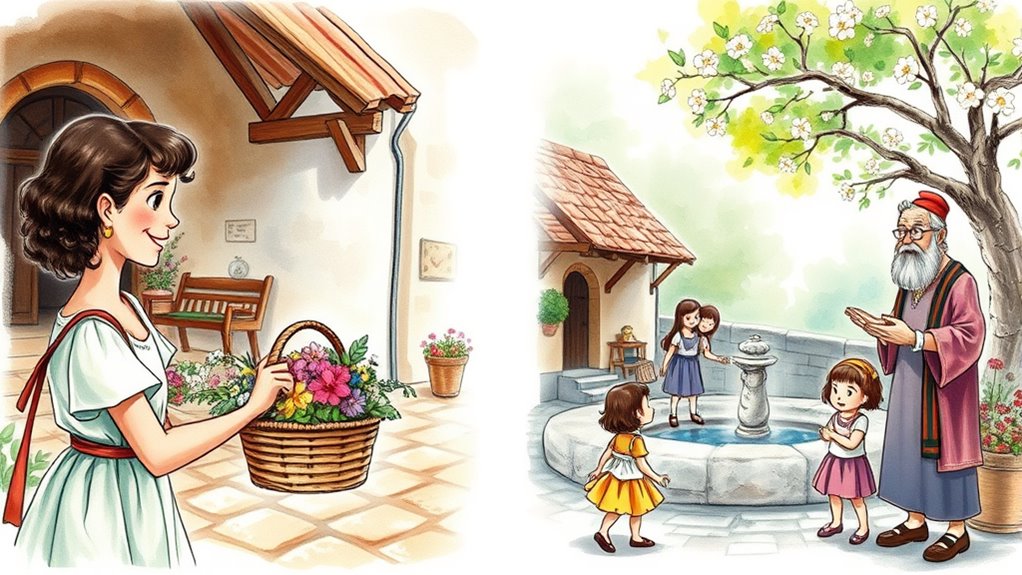

Narrative illustration combines visuals and words in sequential art, like comics, to tell engaging stories that guide your emotions and understanding. You focus on how each panel and image flows naturally, using techniques like close-ups or wide shots to control rhythm and mood. By intentionally arranging elements, you create a visual journey that captures attention and evokes feelings. If you keep exploring, you’ll discover how to craft compelling stories through these powerful storytelling tools.
Key Takeaways
- Narrative illustration combines visuals and text to create immersive storytelling experiences.
- Comic sequencing arranges images purposefully to guide viewers through the story.
- Effective sequencing uses panel placement, close-ups, and scene transitions to control story flow.
- Visual storytelling employs imagery, color, and composition to evoke emotions and support narrative clarity.
- Developing skills involves intentional element placement, emotional pacing, and visual contrast for engaging stories.

Narrative illustration combines visual storytelling with written or spoken narratives to create immersive and meaningful experiences. When you transition into this art form, you’re essentially blending images and words to craft a story that hooks your audience from start to finish. One of the most powerful tools in your arsenal is comic sequencing, which allows you to arrange images in a specific order, guiding viewers through a story with clarity and purpose. This sequencing isn’t just about placing pictures one after another; it’s about carefully controlling the flow of information, tension, and emotion, so your audience remains engaged and eager to see what happens next.
By mastering comic sequencing, you give your story rhythm and pace. You can slow down to emphasize a crucial moment or speed up to build excitement. The key is to think about each panel as a part of a larger narrative puzzle, where every piece influences how the next fits in. For example, a close-up shot of a character’s face can convey emotion more intensely, while a wider shot can set the scene or show action. You decide how to connect these panels seamlessly, so the viewer’s eye naturally follows the story without confusion. This method is especially effective because it mimics how we process stories in everyday life—through a sequence of events that build upon each other.
Visual storytelling isn’t just about the images you choose; it’s about how you use them to communicate clearly. Your drawings, colors, and compositions should work hand-in-hand with your narrative to evoke feelings and deepen understanding. When combined with the right sequencing, your illustrations become more than pretty pictures—they become a language that speaks directly to your audience’s imagination. You can use visual cues like motion lines or facial expressions to enhance the story, making each panel a vital part of the overall message.
As you develop your narrative illustration skills, focus on how each element contributes to the story’s progression. Think of comic sequencing as a rhythm that guides viewers through highs and lows, mystery and revelation. The more intentional you are with panel placement and transition, the more immersive your story will feel. Additionally, understanding the contrast ratio of your images can help ensure that visual elements stand out appropriately, contributing to clear and compelling storytelling. Ultimately, your goal is to craft a visual journey that resonates, making your audience feel like they’re living the story alongside your characters. With practice, your combination of visual storytelling and comic sequencing will turn simple images into compelling narratives that leave a lasting impression.
Top picks for "narrative illustration tell"
Open Amazon search results for this keyword.
As an affiliate, we earn on qualifying purchases.
Frequently Asked Questions
How Did Narrative Illustration Originate Historically?
You might find that the historical origins of narrative illustration trace back to ancient cave paintings and Egyptian hieroglyphs, where early humans used images to tell stories. Over time, storytelling evolved with illuminated manuscripts and woodcuts during the Middle Ages, leading to comic strips and graphic novels today. This evolution shows how visual storytelling has continuously adapted, making narrative illustration a powerful way to communicate stories across cultures and eras.
What Are the Key Differences Between Comic Strips and Graphic Novels?
Think of comic strips as quick snapshots, like doodles on a napkin, with a simple visual style and limited storytelling scope. Graphic novels, however, are a sprawling mural, offering complex narratives and detailed artwork. You’ll find graphic novels dive deep into character development and themes, while comic strips focus on humor or short stories. The key difference lies in scope and depth, shaping how you experience each art form.
How Do Cultural Influences Shape Storytelling in Illustrations?
Cultural influences shape storytelling in illustrations by embedding cultural symbolism and storytelling traditions into your artwork. When you draw from specific cultural symbols, you evoke deeper meanings and emotional resonance with your audience. Incorporating storytelling traditions guarantees your narrative aligns with cultural expectations, making your story more authentic and impactful. By understanding these influences, you can create illustrations that reflect diverse perspectives and enrich your storytelling through visual cues rooted in culture.
What Software Tools Are Best for Creating Digital Narrative Art?
You should try software like Adobe Photoshop and Clip Studio Paint, as over 70% of professional illustrators prefer them for digital painting and storyboarding. These tools offer powerful brushes, easy layer management, and versatile features perfect for creating detailed narrative art. They enable you to craft compelling stories with seamless sequential panels, making your digital storytelling more engaging and efficient.
How Can Beginners Develop Their Storytelling Skills Through Illustration?
To develop your storytelling skills through illustration, focus on mastering visual storytelling techniques like composition, framing, and pacing. Practice creating clear character development so your audience connects with your story. Study comic strips or graphic novels to see how visuals convey emotion and narrative flow. Keep experimenting with different styles and seek feedback. Over time, these efforts will help you craft compelling stories that resonate through your illustrations.
Conclusion
So, next time you flip through a comic or gaze at a graphic novel, remember—you’re not just enjoying pretty pictures; you’re witnessing complex stories unfold, all thanks to the magic of narrative illustration. It’s like having your cake and reading it too, without the messy crumbs. So, keep your eyes open and your imagination ready—after all, these images are whispering stories you’re just too busy to notice. Happy storytelling!