When creating illustrations, it’s essential to represent cultures respectfully and authentically. Focus on capturing cultural details with accuracy, avoid stereotypes, and seek input from community members when possible. Use research and cultural insights to guide your depiction, guaranteeing symbols, clothing, and settings are genuine. This approach fosters understanding and empathy, helping to break down misconceptions. If you keep exploring, you’ll discover more ways to guarantee your work truly honors the diversity and richness of different cultures.

Get art and craft supplies delivered free with Prime
- Fast, free delivery on millions of items
- Prime Video, Amazon Music and more included
- Member-only deals all year
Key Takeaways
- Prioritize authentic cultural elements by researching and consulting community voices to ensure respectful representation.
- Avoid stereotypes by depicting cultures with depth, complexity, and nuance rather than clichés.
- Engage with cultural communities for feedback and insights to enhance accuracy and respectfulness.
- Use culturally appropriate symbols, clothing, gestures, and settings to honor traditions accurately.
- Promote understanding and empathy by creating visuals that celebrate diversity and challenge misconceptions.
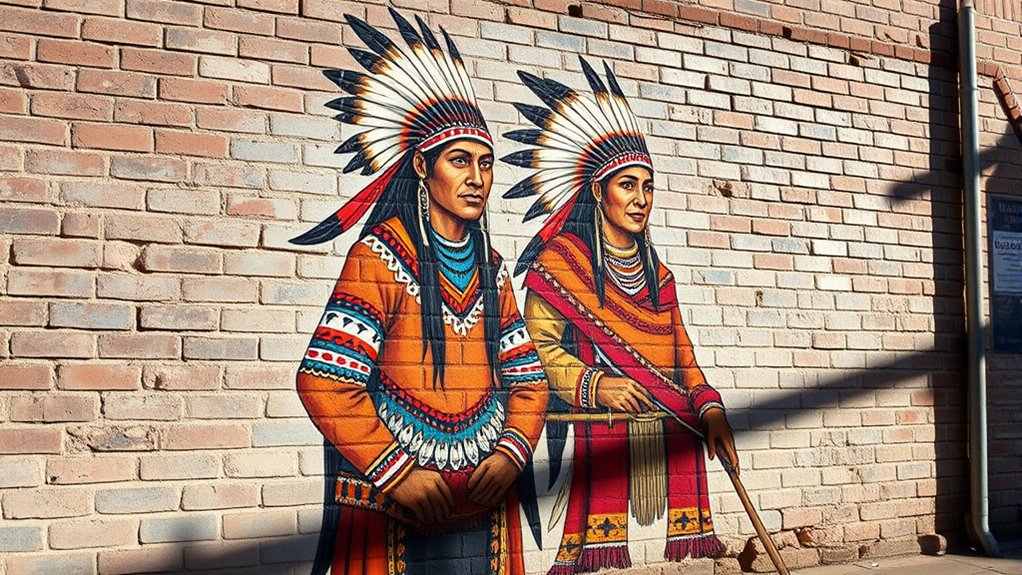
In today’s diverse and interconnected world, illustrations play a vital role in shaping perceptions of different cultures. As an artist or creator, you have the power to influence how others see and understand the rich tapestry of human experience. That’s why it’s essential to approach cultural representation with care, avoiding the pitfalls of cultural stereotypes and aiming for respectful portrayal. When you rely on stereotypes, even unintentionally, you risk reinforcing harmful misconceptions that can perpetuate prejudice and misunderstandings. Instead, focus on portraying cultural elements authentically, emphasizing the depth and nuance that make each community unique. This doesn’t mean you need to become an expert in every culture you depict, but it does require sensitivity and a willingness to research and listen. Engage with members of the communities you’re representing, seek feedback, and remain open to learning. Respectful portrayal involves more than just avoiding negative stereotypes; it’s about capturing the dignity and complexity of a culture without reducing it to clichés. Your illustrations should aim to celebrate cultural diversity rather than simplify it into easily digestible, often inaccurate, caricatures. Think about the symbols, clothing, gestures, and settings you include—are they accurate and respectful? Do they honor the traditions and histories behind these cultural elements? If you’re unsure, ask questions or consult resources that can provide insight, ensuring your work honors the people and stories behind the imagery. By doing so, you demonstrate respect and foster a more inclusive visual landscape. Incorporating accurate cultural representations can also enhance your credibility as an artist committed to authenticity. Remember, cultural representation isn’t just about avoiding harm; it’s about actively promoting understanding and appreciation. Your illustrations can serve as bridges that connect people across different backgrounds, helping to foster empathy rather than division. When you prioritize respectful portrayal, you acknowledge the diversity of experiences and challenge stereotypes that might otherwise go unexamined. This approach not only elevates your work but also contributes to a broader cultural conversation rooted in respect and authenticity. Ultimately, your goal should be to create images that reflect the richness of human cultures truthfully and thoughtfully. When you do, you help reshape perceptions, challenge stereotypes, and promote a more inclusive world where every culture is appreciated for its true essence. Your illustrations have the potential to educate, inspire, and foster understanding—use that power wisely by being mindful of how you portray cultures with respect and authenticity.
Popular right now

KitchenAid Artisan Series 5-Quart Tilt-Head Stand Mixer, Dried Rose (KSM150PS)

Samsung 42-Inch Class OLED S90F 4K Smart TV (2025)

KitchenAid Classic Series 4.5 Quart Tilt-Head Stand Mixer K45SS, Onyx Black
As an affiliate, we earn on qualifying purchases.
Frequently Asked Questions
How Can Illustrators Avoid Cultural Stereotypes?
To avoid cultural stereotypes, you should research thoroughly and seek authentic sources. Be aware of cultural misrepresentation and challenge stereotypes you might unintentionally perpetuate. Engage with communities or individuals from the culture you’re illustrating to gain genuine insights. Use diverse perspectives to inform your work, and avoid clichés. This approach guarantees your illustrations respect cultural nuances, fostering sensitivity and reducing the risk of harmful stereotypes or misrepresentation.
What Resources Help Improve Cultural Accuracy in Illustrations?
You can improve cultural accuracy in illustrations by consulting resources like cultural symbol guides, which help you understand specific symbols’ meanings. Additionally, seek authenticity validation by engaging with cultural experts or members of the community you’re depicting. Using reputable books, online databases, and cultural workshops also guarantees you accurately represent traditions, attire, and symbols, reducing stereotypes and creating respectful, authentic artwork that resonates genuinely with diverse audiences.
How Do Cultural Contexts Influence Illustration Styles?
You probably think styles are just about pretty pictures, but cultural contexts heavily shape them. Cultural symbolism and traditional motifs influence your choices, from color palettes to line work. When you understand the deep meanings behind symbols, your illustration style naturally reflects cultural authenticity. Ignoring this risks stereotypes, but embracing it helps you craft visuals that honor traditions and resonate authentically, making your work richer and more respectful.
What Are Common Mistakes in Representing Marginalized Groups?
You should avoid reinforcing stereotypes or engaging in cultural appropriation when representing marginalized groups. Common mistakes include using clichéd imagery, misrepresenting cultural symbols, or oversimplifying identities. These actions can perpetuate harmful misconceptions and disrespect communities. Instead, do your research, seek authentic perspectives, and collaborate with members of those groups to guarantee respectful and accurate portrayals. Being mindful helps create inclusive, meaningful illustrations that honor diversity.
How Can Clients Ensure Cultural Sensitivity in Illustration Projects?
You can guarantee cultural sensitivity in illustration projects by prioritizing cultural appreciation and ethical representation. Remember, “A picture is worth a thousand words,” so choose visuals that honor diverse identities accurately and respectfully. Engage with community members when possible, seek feedback, and educate yourself on cultural nuances. This approach helps you create work that genuinely respects and celebrates different cultures, avoiding stereotypes and fostering inclusivity.
Conclusion
By prioritizing cultural representation and sensitivity in your illustrations, you not only respect diverse identities but also create more authentic, relatable art. Some might argue it limits creativity, but in reality, it broadens your perspective and enriches your work. Embracing cultural nuances challenges you to grow as an artist and storyteller. So, instead of avoiding these conversations, lean in—your illustrations can foster understanding and celebrate the rich tapestry of human experience.