
TL;DR

Get art and craft supplies delivered free with Prime
- Fast, free delivery on millions of items
- Prime Video, Amazon Music and more included
- Member-only deals all year
Vacuum-formed signs, a staple of American Main Street aesthetics, have a rich history dating back to the 1950s. Recent discussions highlight their cultural value and ongoing manufacturing trends, though some details remain under investigation.
Recent online discussions and historical research have highlighted the enduring cultural and commercial significance of vacuum-formed signs, which have been a staple of American Main Streets since the 1950s. These signs, known for their distinctive 3D plastic appearance, continue to influence signage design and small business branding today.
Vacuum-formed signs, also called pan-faced or vacu-form signs, originated in the 1950s with advancements in plastics and manufacturing technology. They became popular for their durability, affordability, and eye-catching 3D embossed lettering, often illuminated for visibility at night. Companies like Gulf Development, later known as Signtronix, mass-produced these signs, creating a distinctive style associated with small businesses across the U.S.
Key figures in this history include Conrad Escalante and Kozy Boren, who pioneered innovations like the flashing “Superior Arrow” sign, designed to attract attention to small storefronts. By the year 2000, over 500,000 signs had been produced, many featuring generic labels like “BAKERY” or “GROCERY,” designed for easy reuse and resale. Recent online groups and forums continue to discuss their cultural significance and manufacturing techniques, though some historical details are still being examined.
Cultural and Commercial Impact of Vacuum-Form Signs
This style of signage has become an iconic part of American Main Street imagery, representing small business identity and local culture. Understanding their history helps appreciate their role in community branding and the evolution of signage technology. Their continued discussion highlights ongoing interest in preserving this folk art and exploring manufacturing innovations, which could influence future signage design and production methods.
As an affiliate, we earn on qualifying purchases.
Historical Development of Vacuum-Form Signage
Vacuum-formed signs emerged in the 1950s alongside advancements in plastics and manufacturing. Early companies like Timely Products Mfg Co and Embosograf Corporation produced durable, mass-produced signs for breweries and soft drink brands. In Southern California, entrepreneurs like Conrad Escalante and Kozy Boren innovated affordable, attention-grabbing signs for small businesses, notably the patented “Superior Arrow” in 1958. Signtronix, founded by Boren in 1964 after acquiring Gulf Development, became a major producer, creating over 500,000 signs by 2000, many with generic labels for reuse. Today, these signs are recognized as cultural artifacts, with ongoing online interest and preservation efforts.
“Many signs are designed to be reused, with generic labels like ‘BAKERY’ or ‘GROCERY’ for resale or resale adaptation.”
— Chris Fato
As an affiliate, we earn on qualifying purchases.
Unresolved Aspects of Vacuum-Form Signage History
While the broad history of vacuum-formed signs is documented, specific details about early manufacturing techniques, the full scope of regional variations, and the precise timeline of certain innovations remain under investigation. Additionally, the current state of manufacturing technology and how it will evolve to preserve or replace these signs is still developing.
As an affiliate, we earn on qualifying purchases.
Future Trends in Vacuum-Form Sign Production and Preservation
Researchers and manufacturers are exploring new materials and techniques to replicate the classic vacuum-formed style while improving durability and sustainability. Preservation efforts and online communities aim to document and maintain these signs as cultural artifacts. Further investigation into manufacturing innovations may influence whether this folk art continues in its traditional form or evolves with new technology.
reusable signage labels for small business
As an affiliate, we earn on qualifying purchases.
As an affiliate, we earn on qualifying purchases.
Key Questions
What exactly are vacuum-formed signs?
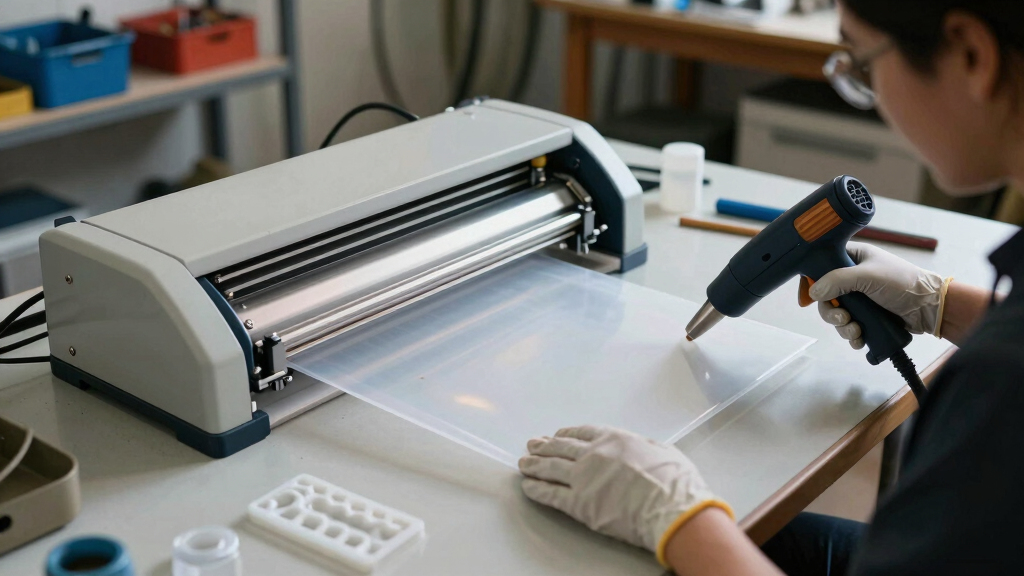
Vacuum-formed signs are three-dimensional plastic signs created by heating thermoplastic sheets and drawing them over molds using a vacuum, resulting in embossed lettering and shapes typical of mid-20th-century signage.
Why are vacuum-formed signs considered culturally significant?
They are iconic symbols of American small business culture, representing a distinctive folk art style that has been part of Main Street communities for decades.
Are vacuum-formed signs still being made today?
While traditional manufacturing has declined, some artisans and companies continue to produce or replicate these signs, often for preservation or vintage markets, using modern materials.
How can I tell if a sign is a vintage vacuum-formed sign?
Look for the distinctive 3D embossed plastic appearance, often with illuminated features, and check for signs of generic labels or specific manufacturing marks associated with companies like Signtronix.
What efforts exist to preserve vacuum-formed signage?
Online communities, historical societies, and sign enthusiasts document and promote preservation of these signs as part of American cultural heritage, with some companies offering restoration services.
Source: Hacker News
Halloween Picks
halloween
As an affiliate, we earn on qualifying purchases.