
To adopt sustainable graphic design, focus on eco-friendly practices and materials that benefit both your visuals and the environment. Use recycled papers, biodegradable inks, and digital printing to reduce waste and emissions. Opt for energy-efficient methods like digital workflows and soy-based inks. Incorporate sustainable materials into your projects to showcase your eco-conscious approach. If you keep exploring, you’ll discover even more ways to make your designs greener and more impactful.
Key Takeaways
- Incorporate eco-friendly printmaking techniques like soy-based inks and recycled papers to reduce environmental impact.
- Opt for digital printing methods that minimize waste, energy use, and excess ink, supporting sustainable production.
- Use environmentally friendly materials such as biodegradable inks and sustainable packaging to enhance eco-conscious design.
- Emphasize a long-term sustainable mindset by choosing materials and processes that prioritize environmental health.
- Demonstrate environmental commitment through design choices that promote industry responsibility and eco-awareness.

In today’s environmentally conscious world, sustainable graphic design is more important than ever. As a designer, you have the power to influence not just aesthetics but also the planet’s health. One of the most effective ways to do this is by choosing eco-friendly printmaking techniques and digital printing methods that minimize waste and reduce environmental impact. Traditional printmaking techniques, such as screen printing or letterpress, often involve materials and processes that can be harmful to the environment. However, by opting for sustainable alternatives—like soy-based inks or recycled papers—you can notably cut down on harmful emissions and waste. These choices not only demonstrate your commitment to sustainability but also appeal to clients and audiences who value eco-conscious practices.
Choosing eco-friendly printmaking and digital methods reduces waste and supports sustainable design practices.
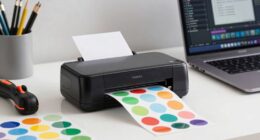
When it comes to digital printing methods, you find yourself with more environmentally friendly options than ever before. Digital printing reduces excess ink usage, as it allows for precise, on-demand production, eliminating the need for large print runs that often result in surplus materials. You no longer need to produce large quantities upfront; instead, you can print only what’s necessary, saving resources and reducing waste. Additionally, digital printers today are more energy-efficient, and many use vegetable-based inks or other environmentally safe formulations. This means you can produce high-quality designs with a smaller environmental footprint. Plus, digital printing makes it easier to incorporate sustainable design principles, such as variable data printing, which further minimizes waste by customizing each piece to exact specifications.
Beyond the printing process itself, you’re encouraged to select environmentally friendly materials whenever possible. Recycled papers, biodegradable inks, and packaging made from sustainable sources help close the loop on eco-conscious design. Incorporating these materials into your workflow not only benefits the environment but also creates a compelling narrative around your work—showing your clients that you prioritize sustainability at every stage. You can also explore innovative printing technologies that use less water and energy, further reducing your ecological footprint. Embracing sustainable design practices ensures your work aligns with the growing demand for environmentally responsible solutions in the industry.
Ultimately, sustainable graphic design isn’t just about using eco-friendly materials; it’s about adopting a mindset that values long-term environmental health. By understanding and leveraging printmaking techniques and digital printing methods that are more sustainable, you not only produce beautiful, impactful work but also contribute positively to the planet. Your choices in materials and processes matter, and by making mindful decisions, you can lead the way toward a greener, more responsible design industry.

Speedball Premium Block Printing Ink Set – 6 Colors for Fabric and Paper – Water Soluble Oil Based Ink – 1.25 oz Each – Non Toxic Art Supplies
PROFESSIONAL COLOR SET – Premium water-miscible oil-based inks in 6 vibrant, opaque colors perfect for block printing on…
As an affiliate, we earn on qualifying purchases.
As an affiliate, we earn on qualifying purchases.
Frequently Asked Questions
How Do Sustainable Practices Impact Overall Design Costs?
Sustainable practices can reduce your overall design costs through resource efficiency and cost savings. By choosing eco-friendly materials and minimizing waste, you lower material expenses and reduce disposal fees. While some eco-friendly options might have higher upfront costs, they often lead to long-term savings. Additionally, sustainable design enhances brand reputation, which can attract more clients and generate more revenue, making it a smart investment for your projects.
Are There Certifications for Eco-Friendly Graphic Design Materials?
Yes, there are eco certifications for graphic design materials. You should look for certifications like FSC, Green Seal, and SFI, which confirm that materials meet strict eco standards. These eco certifications guarantee you’re using sustainable materials that adhere to responsible sourcing and environmentally friendly practices. By choosing certified products, you support material standards that promote sustainability and reduce your design’s ecological footprint.
How Can Small Businesses Implement Sustainable Design Strategies Effectively?
You can implement sustainable design strategies by leveraging digital tools to reduce waste and streamline workflows. For example, a small business might use eco-friendly materials sourced locally, like recycled paper for print projects, minimizing transportation emissions. By consciously choosing sustainable materials and utilizing digital tools for planning and communication, you effectively lower your environmental impact while maintaining high-quality design work. This approach keeps your business eco-conscious and cost-efficient.
What Are the Biggest Challenges in Sourcing Eco-Friendly Inks?
You’ll likely face sourcing challenges when finding eco-friendly inks due to ink color limitations, as many eco inks don’t offer the full spectrum of shades. This restricts your design choices and can increase costs. Plus, sourcing these inks can be tricky because they’re less widely available, and suppliers may have limited stock or higher prices. Staying flexible with color palettes and building relationships with sustainable suppliers can help overcome these challenges.
How Does Sustainable Graphic Design Influence Consumer Perception?
Sustainable graphic design positively influences your consumer perception by reinforcing your commitment to environmental awareness. When you use eco-friendly practices, it builds trust and strengthens brand loyalty, as customers appreciate your dedication to sustainability. This approach demonstrates that you prioritize the planet, encouraging consumers to support your brand over less eco-conscious competitors. Ultimately, your focus on sustainable design enhances your reputation and fosters lasting relationships with environmentally conscious audiences.

PrintWorks 100% Recycled Printer Paper 8.5" x 11" White – 20 lb Copy & Multipurpose Computer Paper – 1 Pack, 400 Sheets – Made in the USA – 92 Bright – Printer & Copier Compatible (00018)
100 percent post-consumer recycled printer paper for everyday use at an affordable price
As an affiliate, we earn on qualifying purchases.
As an affiliate, we earn on qualifying purchases.
Conclusion
So, next time you pick a paper or splash some ink, remember you’re not just making art—you’re saving the planet (or at least pretending to). Embrace eco-friendly materials, skip the wasteful habits, and watch your design karma grow. Who knew that being green could look so good? With a little effort, you’ll be a sustainable superstar, turning heads and saving trees—one eco-conscious choice at a time. Now, go ahead, make Mother Earth proud!

SmartSolve Water-Soluble 5pt CardStock | Dissolves Quickly in Water | Biodegradable | Eco-Friendly | Printable | Craft, Confidential Document, Memorial Letter | 8.5” x 11” | 25 White Sheets
Dissolves in Water 5pt water-soluble cardstock will completely disperse in 30 seconds or less when exposed to water…
As an affiliate, we earn on qualifying purchases.
As an affiliate, we earn on qualifying purchases.
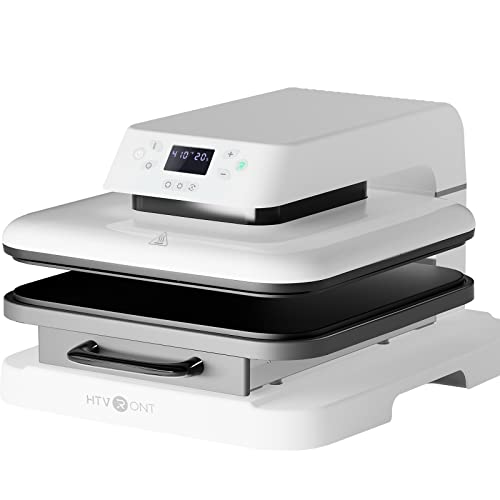
HTVRONT Auto Heat Press Machine for T Shirts – 15×15 Smart T Shirt Press Machine with Auto Release – Professional Heat Press for Sublimation, Vinyl, Heat Transfer Projects
【Auto Heat Press & Free Hands】- HTVRONT auto heat press machine aims to take away the struggles of…
As an affiliate, we earn on qualifying purchases.
As an affiliate, we earn on qualifying purchases.