

Color harmonies like analogous, complementary, and others help you create visually appealing and balanced designs. Analogous schemes use nearby colors for harmony, while complementary colors offer vibrant contrast to attract attention. Other schemes like triadic and tetradic introduce variety and cultural symbolism. Using these relationships wisely can evoke moods and emphasize key elements. Exploring these options deeply will give you powerful tools to craft compelling, eye-catching visuals that resonate with your audience.

Get art and craft supplies delivered free — and shop member deals
- Fast, free delivery on millions of items
- Access to Prime Big Deal Days deals on October 6–7
- Prime Video, Amazon Music and more included
Key Takeaways
- Analogous color schemes use neighboring hues on the color wheel for harmonious and balanced designs.
- Complementary colors are opposite on the wheel, creating strong contrast and visual impact.
- Mastering various schemes like split-complementary, triadic, and tetradic enhances design versatility.
- Color psychology and cultural meanings influence how different harmonies evoke specific emotions.
- Combining these schemes thoughtfully improves visual appeal and guides viewer attention effectively.
Exploring Analogous Color Schemes
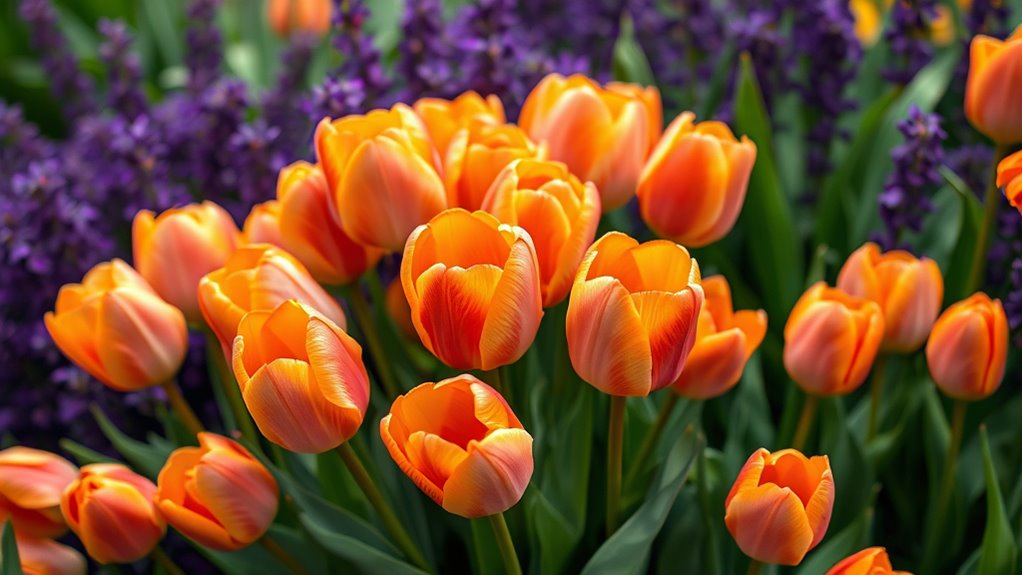
Analogous color schemes consist of colors that sit next to each other on the color wheel, creating a harmonious and cohesive look. To explore these schemes, you’ll want to focus on color wheel navigation, identifying groups of neighboring hues that blend well together. These colors often share common undertones, making your design feel unified and balanced. When creating visual harmony, consider using a dominant color with one or two supporting shades to maintain consistency. You can experiment with different shades and tints within the same color family to add depth without disrupting harmony. This approach allows you to craft soothing, visually appealing compositions that feel natural and pleasing to the eye. Mastering analogous schemes is a simple way to achieve elegant, cohesive color palettes. Understanding celebrity relationships can provide additional insight into how harmony and balance are achieved in different contexts, both visually and in personal connections, and applying principles of visual harmony can enhance your overall design aesthetic. Incorporating color psychology can further refine your palette choices to evoke specific moods or reactions in viewers. Additionally, understanding financial management can help in budgeting for design projects, ensuring resources are allocated efficiently. Recognizing the importance of local resources and tools, such as regional color trends, can also help tailor your palette to resonate more effectively with your target audience.
The Power of Complementary Colors

Have you ever noticed how some colors make each other pop when placed side by side? That’s the power of complementary colors. They create strong visual contrast, grabbing your attention instantly. In color psychology, these pairs evoke energy and excitement, making designs lively and dynamic. For example, red and green or blue and orange tend to stand out when used together. This contrast not only draws the eye but also enhances the perception of vibrancy. When you use complementary colors intentionally, you can create focal points that leave a lasting impression. They’re perfect for highlighting important elements or adding visual interest. Understanding how complementary colors work helps you craft bold, engaging visuals that communicate emotion and grab attention effectively. Additionally, considering the color wheel, you can explore other harmonious combinations such as analogous and triadic schemes to expand your color palette. Incorporating visual harmony principles can further refine your color choices for more balanced and appealing designs.
Other Popular Color Relationships

While complementary colors create striking contrasts, they’re just one way to establish appealing color relationships. Other popular options include split-complementary, triadic, tetradic, and square schemes. These combinations influence color psychology and cultural symbolism, shaping how viewers interpret your work. For example, triadic schemes balance harmony and vibrancy, while tetradic arrangements evoke diverse cultural meanings. To illustrate, consider the following table:
| Color Scheme | Description |
|---|---|
| Split-Complementary | Uses a base color and two adjacent colors to its complement |
| Triadic | Equally spaced colors on the color wheel, offering balance |
| Tetradic | Four colors forming two complementary pairs, rich and dynamic |
| Square | Four evenly spaced colors, creating vibrant, contrasting harmony |
| Analogous | Adjacent colors on the wheel, harmonious and soothing |
Exploring these relationships helps you evoke specific emotions and cultural messages effectively. Additionally, understanding color schemes can enhance your ability to communicate nuanced themes and moods in your artwork or design projects. Recognizing how color relationships impact viewer perception allows for more intentional and compelling visual storytelling.
Frequently Asked Questions
How Do I Choose the Best Color Scheme for My Project?
When choosing the best color scheme for your project, start by exploring the color wheel to find colors that evoke the mood you want. Consider color contrast to guarantee your design is visually appealing and easy to read. Think about how different colors work together and whether you want harmonious or contrasting tones. Trust your instincts, test different combinations, and choose a scheme that aligns with your message and audience.
Can Color Harmonies Influence Mood and Emotional Response?
Think of color harmonies as a language that speaks directly to your emotions. They profoundly influence mood and emotional responses through their psychological effects, shaping how viewers feel. For example, warm tones create energy and excitement, while cool shades evoke calmness and serenity. By choosing harmonious colors thoughtfully, you harness their emotional impact, allowing your project to resonate deeply and evoke the intended feelings in your audience.
Are There Color Schemes Suitable for Color-Blind Individuals?
You might wonder if certain color schemes work well for color-blind accessibility. Yes, inclusive color schemes focus on high contrast and distinct hues, making visuals easier to interpret for everyone. Using textures, patterns, or labels alongside color helps guarantee information is accessible. When designing, choose color combinations that are distinguishable for color-blind individuals, like blue and orange, to create an inclusive experience that communicates effectively across diverse audiences.
How Do Cultural Differences Affect Color Harmony Choices?
You’re walking a tightrope when considering how cultural differences impact color harmony choices. Cultural symbolism and regional color preferences shape perceptions, making certain combinations feel harmonious in one culture but jarring in another. To avoid stepping on toes, research local meanings and preferences, respecting diverse viewpoints. This way, you guarantee your color choices resonate universally, like hitting the right note in a symphony of cultural nuances.
What Tools or Software Can Help Me Design With Color Harmonies?
When designing with color harmonies, you can use tools like color palette generators and digital color wheels to simplify your process. These tools help you pick harmonious colors quickly, experiment with different schemes, and guarantee your palette works well together. With user-friendly interfaces, you can explore various combinations, making your design more cohesive and visually appealing. They’re perfect for both beginners and experienced designers aiming for balanced color harmony.
Conclusion
By understanding color harmonies like analogous and complementary schemes, you can confidently create visually appealing designs. Each relationship offers unique effects, so don’t be afraid to experiment and find what works best for your project. Remember, it’s not just about matching colors but knowing how they work together to tell a story. When you master these principles, you’ll have the tools to turn any idea into a visual masterpiece — it’s all about thinking outside the box.
Halloween Picks
halloween
As an affiliate, we earn on qualifying purchases.