
TL;DR
Authorities have recovered artworks by photographer Peter Hujar that are suspected to be linked to looted art. The development highlights ongoing efforts to address art theft and restitution. Details about the connection are still emerging.
Authorities announced the recovery of artworks attributed to Peter Hujar that are believed to be connected to looted art pieces, marking a significant breakthrough in ongoing restitution efforts. The discovery involves artworks that were stolen or illicitly acquired during historical art thefts, raising questions about provenance and the scope of looted art networks.
The recovered artworks include photographs attributed to Peter Hujar, a renowned 20th-century photographer known for his portraits and documentary style. These pieces were seized during a law enforcement operation targeting art theft rings involved in looting valuable cultural artifacts. The authorities have not yet disclosed the full list of recovered items or their exact origins but confirmed that the artworks are currently undergoing provenance verification.
Sources within law enforcement indicate that the recovered pieces are believed to have been stolen decades ago from private collections and museums. The investigation was launched after tip-offs from international art recovery agencies, which tracked the artworks through a complex chain of custody involving illicit markets. The connection to looted art was established through provenance research and forensic analysis, which suggested links to known thefts from European and North American institutions.
Experts have emphasized that establishing provenance is a complex process, often complicated by falsified documentation and illegal alterations. The authorities have not yet confirmed whether these artworks will be returned to their original owners or if further legal proceedings are underway to identify additional stolen pieces.
Why Connecting Hujar’s Art to Looted Pieces Matters
This development underscores the ongoing challenges in recovering stolen cultural property and highlights the importance of provenance research in art restitution. The connection between Peter Hujar’s photographs and looted art raises questions about the extent of illicit networks involved in art theft and the potential for other artworks to be similarly compromised. For collectors, museums, and cultural institutions, it signals the need for rigorous provenance verification to prevent the sale and display of stolen items. For victims of art theft, the recovery offers hope for restitution, though many stolen works remain unaccounted for.
The case also emphasizes the role of international cooperation in art recovery, with law enforcement agencies across multiple countries collaborating to trace stolen artworks. The broader implications include increased scrutiny of private collections and the art market, aiming to prevent future thefts and illicit trafficking of cultural artifacts.
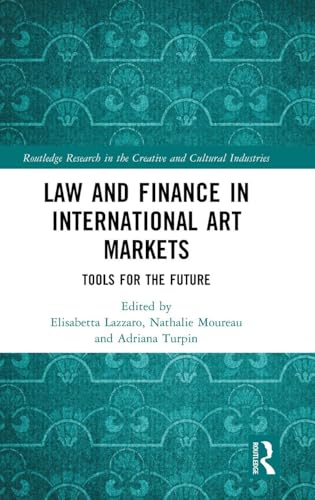
Law and Finance in International Art Markets (Routledge Research in the Creative and Cultural Industries)
As an affiliate, we earn on qualifying purchases.
As an affiliate, we earn on qualifying purchases.
Historical Background of Art Theft and Provenance Challenges
Art theft has long been a significant issue within the cultural sector, with high-profile cases involving stolen masterpieces and rare artifacts. The looting of museums and private collections surged during periods of conflict and political upheaval, such as World War II and subsequent decades. Many stolen artworks remain missing, with some believed to be held in private collections or hidden markets for decades.
Peter Hujar, active primarily in the 1970s and 1980s, is best known for his portraits of New York City artists and cultural figures. His work has been widely exhibited and is highly valued in the art community. The recent recovery connects to broader efforts to trace art stolen during earlier periods, often linked to organized crime networks and wartime looting.
Provenance research has become a critical tool in identifying stolen art, but challenges persist due to falsified documentation, illicit alterations, and the clandestine nature of art trafficking. International organizations, including INTERPOL and UNESCO, have increased efforts to track stolen cultural property, but many pieces remain unlocated.
“This recovery marks a significant step forward in our efforts to dismantle art theft networks and recover stolen cultural heritage.”
— John Miller, Director of Art Crime Unit
art restitution documentation supplies
As an affiliate, we earn on qualifying purchases.
As an affiliate, we earn on qualifying purchases.
Unresolved Questions About the Connection to Looted Art
While authorities have confirmed the recovery of artworks linked to looted art, the full extent of the connection remains unclear. Details about the original thefts, the specific provenance of each recovered piece, and whether additional stolen works are involved are still under investigation. The legal process to determine ownership and restitution is ongoing, and some experts caution that further forensic analysis is needed to confirm the links definitively.
As an affiliate, we earn on qualifying purchases.
Next Steps in Provenance Verification and Restitution
Law enforcement and provenance experts will continue to verify the origins of the recovered artworks, with potential legal proceedings to identify original owners or heirs. International cooperation will likely intensify to locate other stolen items and dismantle illicit trafficking networks. The authorities have also indicated that they will update the public and involved institutions as more information becomes available, aiming to facilitate restitution where appropriate.
art storage and display organizers
As an affiliate, we earn on qualifying purchases.
As an affiliate, we earn on qualifying purchases.
Key Questions
What specific artworks by Peter Hujar were recovered?
Authorities have not yet disclosed the full list of recovered artworks, but they include photographs attributed to Peter Hujar, believed to be linked to looted pieces.
How do authorities determine if an artwork is stolen?
Provenance research, forensic analysis, and historical documentation are used to verify an artwork’s origins and identify possible thefts or illicit acquisitions.
Could these recovered artworks be returned to their original owners?
Yes, once provenance is confirmed, legal processes may lead to restitution, but this depends on identifying rightful owners or heirs and legal proceedings.
Are other looted artworks still missing?
Yes, many stolen artworks remain unlocated, and authorities continue efforts to recover additional pieces.
What role do international agencies play in art recovery?
Organizations like INTERPOL and UNESCO coordinate cross-border investigations, share intelligence, and support provenance research to combat art theft.
Source: rss