
TL;DR

Get art and craft supplies delivered free with Prime
- Fast, free delivery on millions of items
- Prime Video, Amazon Music and more included
- Member-only deals all year
This guide covers essential art supplies for students, highlighting quality vs. cost, eco-friendly options, and organization tips. It helps you pick tools that inspire creativity without breaking the bank.
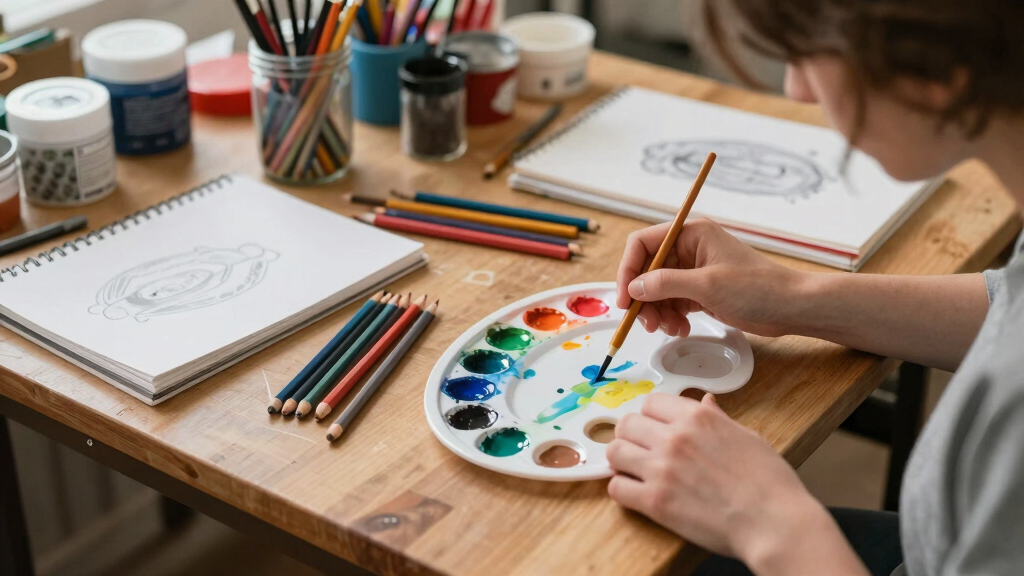
Imagine a box filled with vibrant colored pencils, a smooth sketchbook, and a splash of watercolor paints. Suddenly, your child’s eyes light up—art feels exciting, not intimidating.
Choosing the right art supplies isn’t about buying the most expensive set; it’s about matching tools to a young artist’s needs, age, and style. Whether for a budding Picasso or a hobbyist, the right supplies can ignite their imagination and build confidence.
Match art supplies to age and skill level to foster confidence and growth.
Invest in a few high-quality essentials for durability and better results.
Organize supplies with simple storage solutions to boost creativity and reduce clutter.
Choose eco-friendly options to ensure safety and support sustainability.
Balance digital tools with traditional supplies for a well-rounded skill set.
What Basic Art Supplies Should Every Student Have?
Start with the essentials: graphite pencils for sketches, erasers (kneaded and rubber) for corrections, and a sketchbook with good paper quality. Add some colored pencils, markers, and crayons for color experiments.
These core supplies are the foundation of any budding artist’s toolkit, but understanding why they matter deepens their value. For example, quality graphite pencils with a good balance of hardness and softness allow for smoother shading and finer detail, which can significantly enhance learning and skill development. A sturdy sketchbook with acid-free paper preserves artwork over time, encouraging students to take pride in their work. Colored pencils and markers foster experimentation, but choosing non-toxic, vibrant options ensures safety and encourages repeated use without fear of mess or harm. The tradeoff often lies in cost versus quality; investing slightly more upfront in durable, high-quality supplies can lead to better results and fewer replacements, ultimately saving money and frustration.
As an affiliate, we earn on qualifying purchases.
How to Pick Age-Appropriate Art Supplies Without Overspending
Choose supplies tailored to your child’s age and skill level. Younger kids need washable, non-toxic items that are safe and easy to clean up. For older students, consider professional-grade tools that offer more precision and durability.
For example, a 7-year-old might thrive with Crayola washable markers and a basic sketchbook, which are forgiving and safe, but might quickly outgrow these as their skills develop. Conversely, a 14-year-old with a serious interest in art might benefit from Prismacolor colored pencils and a high-quality watercolor set that can withstand detailed work and layering. The key is understanding that investing in quality tools at the right age supports skill progression and confidence, but overspending on professional supplies too early can be discouraging or unnecessary. Striking a balance—buying a few high-quality essentials and supplementing with affordable basics—allows for growth without financial strain. Look for combo kits that bundle popular items at a discount, giving the best value while ensuring quality.
As an affiliate, we earn on qualifying purchases.
Comparison Table: Entry-Level vs. Professional Art Supplies
| Feature | Entry-Level Supplies | Professional-Grade Supplies |
|---|---|---|
| Price Range | $5–$20 per set | $50–$200+ per set |
| Durability | Less durable, suitable for beginners | Highly durable, designed for frequent use |
| Color Range | Limited, basic colors | Wide, rich color palette |
| Ease of Use | Simple, forgiving for newbies | More complex, offering finer control |
| Ideal For | Learning, casual projects | Advanced art projects, portfolio work |
watercolor paint set for beginners
As an affiliate, we earn on qualifying purchases.
As an affiliate, we earn on qualifying purchases.
How to Organize Art Supplies for Maximum Creativity
An organized art space feels like a creative haven. Use small containers for pencils and brushes, stackable drawers for paints and papers, and clear bins to see everything at a glance.
Understanding why organization matters is crucial: clutter can hinder creativity by making it difficult to find tools quickly, leading to frustration or abandonment of projects. Properly organized supplies not only streamline the creative process but also teach valuable habits of tidiness and responsibility. Labeling each section helps children remember where everything belongs, fostering independence. For example, a dedicated crayon jar or watercolor palette box keeps items accessible yet tidy, reducing the time spent searching and increasing the time spent creating. Imagine a young artist’s desk where every tool is within arm’s reach—this setup encourages spontaneous inspiration and minimizes distractions, allowing ideas to flow freely. The tradeoff involves investing some initial effort and space, but the long-term benefits include a more consistent and enjoyable artistic experience.
As an affiliate, we earn on qualifying purchases.
Eco-Friendly Art Supplies That Don’t Sacrifice Quality
Eco-conscious options are more than just trendy—they’re safer for kids and kinder to the planet. Look for biodegradable paints, recyclable packaging, and non-toxic markers.
Understanding why choosing eco-friendly supplies matters is essential: traditional art materials often contain chemicals or plastics that can harm both health and the environment. Using biodegradable or recycled products reduces pollution and waste, promoting sustainability. Brands like Arteza and Faber-Castell now offer water-based markers and recycled paper, which perform similarly to conventional options but with a smaller ecological footprint. For instance, switching to biodegradable watercolor sets not only lessens plastic waste but also introduces children to environmentally responsible practices. Non-toxic colored pencils and markers ensure safety during use and cleanup, making them suitable for younger kids and encouraging repeated use without health concerns. The tradeoff might be slightly higher costs or limited availability, but the long-term benefits of fostering eco-awareness and safety outweigh these concerns. Supporting sustainable products aligns with teaching children the importance of caring for the planet while nurturing their artistic talents.
Digital Art Tools: Are They Necessary or Just a Bonus?
Digital art supplies like tablets, styluses, and software are becoming increasingly common—especially in classrooms. They’re great for blending traditional techniques with tech, offering endless undo options and vibrant color palettes.
Understanding why digital tools are gaining popularity helps clarify their role: they provide versatility, convenience, and endless experimentation without waste. For example, an iPad with Procreate allows students to quickly test ideas, layer colors, and make corrections without the mess or cost of physical supplies. Digital tools are especially useful for remote learning, quick sketches, or exploring new techniques that might be costly or impractical with traditional media. However, traditional supplies develop foundational skills such as shading, texture, and color mixing—skills that digital tools can’t fully replicate. These manual techniques are crucial for understanding artistic principles, which can then be enhanced digitally. Therefore, digital tools should be viewed as a valuable supplement rather than a necessity—integrating both approaches provides a comprehensive artistic education that balances innovation with skill-building.
Frequently Asked Questions
What are the absolute must-have art supplies for beginners?
For beginners, start with basic graphite pencils, a good sketchbook, erasers, colored pencils, and watercolor paints. These supplies cover most needs for developing skills and exploring different mediums.
How do I know if art supplies are safe for children?
Check labels for non-toxic, AP-certified (Approved Product) marks. Avoid supplies with harsh chemicals or strong fumes. Brands like Crayola and Faber-Castell prioritize safety for young users.
Should I buy professional-grade supplies or stick to beginner options?
If your child shows serious interest, investing in quality supplies can improve results and durability. For casual hobbyists, good entry-level options are perfectly fine and budget-friendly.
Are digital art tools necessary for students today?
They’re not necessary but highly beneficial, especially for digital projects or remote learning. Traditional supplies build fundamental skills, so combining both offers the best of both worlds.
How can I keep art supplies organized on a small desk?
Use stackable containers, labeled drawers, and small jars for frequently used items. Keeping everything visible and within reach fuels spontaneous creativity and minimizes mess.
Conclusion
Great art starts with the right tools. Focus on quality, safety, and organization to turn your child’s creative sparks into lasting masterpieces.
Remember, the best art supplies are the ones that inspire your young artist to pick up their tools again and again—because imagination deserves the best.
Fall Picks
fall essentials
As an affiliate, we earn on qualifying purchases.