To create effective character designs for branding and product mascots, you should focus on capturing your brand’s core values through memorable shapes, colors, and styles. Use animation styles that suit your message—whether playful 2D or realistic 3D—and choose colors that evoke the right emotional response. Combining these elements helps craft mascots that resonate emotionally and boost recognition. Keep experimenting with styles and palettes to align with your audience, and if you continue exploring, you’ll uncover the secrets to making your mascot truly stand out.
Key Takeaways
- Develop a mascot that visually embodies brand values and resonates emotionally with the target audience.
- Choose an animation style and color palette that reflect the brand’s personality and message.
- Use color psychology to evoke specific emotions and enhance brand recognition through strategic color choices.
- Combine engaging animation techniques with consistent branding elements for memorable storytelling.
- Ensure the mascot design is adaptable across various media and platforms to maintain cohesive brand identity.
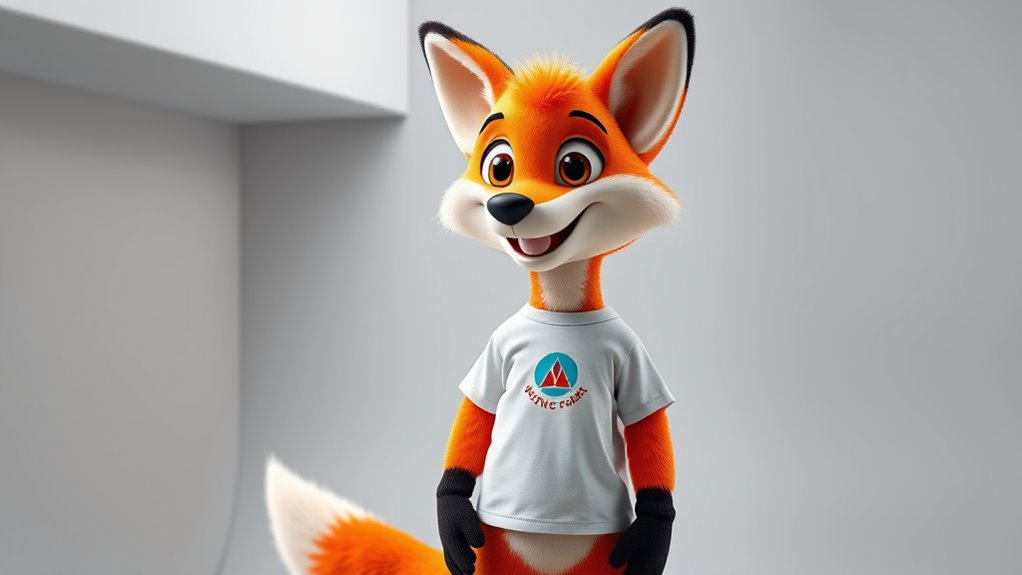
Creating effective brand and product mascots begins with understanding how character design can capture your brand’s essence and resonate with your audience. At the core, this involves selecting the right animation styles that bring your mascot to life and evoke the desired emotional response. Whether you opt for simple 2D illustrations, detailed 3D models, or stylized vector art, your choice influences how viewers perceive your brand. Smooth, fluid animation styles can communicate friendliness and approachability, making your mascot feel lively and engaging. Conversely, more minimalist or exaggerated styles can convey humor, sophistication, or playfulness, depending on your brand identity. The key is to pick animation styles that align with your message and appeal to your target demographic.
Choosing the right animation style shapes your mascot’s personality and emotional appeal.
Color psychology also plays a essential role in character design. Colors evoke specific feelings and associations that can reinforce your brand’s message. For instance, bright reds and oranges often symbolize energy, excitement, and passion, making them ideal for brands that want to convey dynamism. Blues tend to evoke trust, calmness, and professionalism, suitable for finance or healthcare mascots. Greens suggest growth and health, fitting for organic or eco-friendly brands. When designing your mascot, consider how the colors you choose will influence perception and emotional response. The right color palette can make your mascot memorable and instantly recognizable, creating a strong visual connection with your audience.
As you develop your mascot, think about how animation styles and color psychology work together to tell a story. A playful, cartoonish animation style paired with vibrant colors can make your brand seem fun and approachable. Alternatively, a sleek, minimalist style with muted tones might position your brand as modern and sophisticated. Experimenting with different combinations allows you to find the perfect balance that speaks directly to your audience’s preferences and expectations. Remember, consistency is essential—your mascot’s design should reflect your overall branding strategy and be adaptable across various platforms, from social media to packaging.
Ultimately, the goal is to create a mascot that not only captures your brand’s core values but also engages viewers emotionally. By carefully choosing animation styles that bring personality to your character and leveraging color psychology to evoke the right feelings, you craft a memorable visual identity that leaves a lasting impression. This thoughtful approach ensures your mascot becomes a powerful ambassador for your brand, driving recognition, loyalty, and connection with your audience.
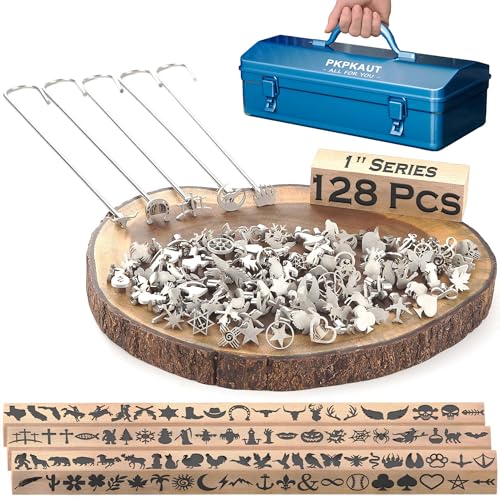
PKPKAUT 128Pcs Mini 1" Branding Irons, Assorted Characters Custom Wood Branding Iron Personalized for Wood Working, Leather Hat, Felt, Cowhide, BBQ Brander & Bread Logo, Steak Branding Iron for Food
【128Pcs 1" Assorted Characters Full Set】 ➤ The PKPKAUT branding irons for wood personalized has many animals and…
As an affiliate, we earn on qualifying purchases.
As an affiliate, we earn on qualifying purchases.
Frequently Asked Questions
How Do Cultural Differences Influence Character Mascot Design?
You must consider cultural symbolism and regional aesthetics when designing a mascot, as these elements influence how your audience perceives it. Different cultures associate colors, shapes, or animals with specific meanings, so incorporating respectful symbols can enhance brand connection. By understanding regional aesthetics, you create a mascot that resonates locally, avoids misinterpretations, and strengthens your brand’s cultural relevance and appeal across diverse markets.
What Are Common Mistakes to Avoid in Mascot Branding?
You should avoid common mistakes like neglecting color psychology, which can send unintended messages, and designing a mascot that lacks versatility. If your mascot’s design isn’t adaptable across various platforms and media, it limits branding potential. Don’t choose overly complex details that won’t reproduce well at small sizes. Instead, focus on clear, simple visuals and mindful color choices to guarantee your mascot effectively represents your brand everywhere.
How Does Animation Impact Mascot Recognition?
Animation boosts your mascot’s recognition by enhancing its animated appeal, making it more engaging and lively. When you animate your mascot, you highlight its memorable features, helping it stand out and stick in people’s minds. Movement adds personality and emotion, creating a stronger connection with your audience. This dynamic approach guarantees your mascot remains memorable and effectively reinforces your brand identity in a fun, eye-catching way.
What Is the Cost Range for Professional Mascot Design?
You’ll likely spend between $3,000 and $15,000 for professional mascot design, depending on complexity and experience. A key factor is your budget considerations, as costs can rise with custom artwork or licensing fees. Keep in mind, high-quality mascots often come with licensing costs, which might add to your expenses. Planning ahead helps you balance quality with budget constraints, ensuring your mascot effectively boosts brand recognition without overspending.
How to Ensure Mascot Design Appeals to All Age Groups?
To guarantee your mascot appeals to all age groups, focus on using age-appropriate colors that resonate across generations and incorporate universal expressions that convey friendliness and relatability. Keep the design simple yet expressive, avoiding overly complex details. Test the mascot with diverse audiences to gather feedback, and adapt the features to create a welcoming, inclusive character that connects emotionally with everyone, regardless of age.

Third Hand with Base Mascot Precision Tools
When you need a third hand to hold a wire, decal or part while keeping your hands free.
As an affiliate, we earn on qualifying purchases.
As an affiliate, we earn on qualifying purchases.
Conclusion
In the end, creating a memorable mascot is like crafting a trusted friend who represents your brand’s essence. When you design with purpose, it becomes more than just a character—it becomes a symbol that resonates deeply with your audience. Keep your vision clear and your characters genuine, and you’ll forge a connection as strong as an unbreakable bond. Remember, a well-designed mascot can be the heartbeat of your brand’s identity.
2D animation software for mascots
As an affiliate, we earn on qualifying purchases.
As an affiliate, we earn on qualifying purchases.

Blender for Beginners Part 1: A reference guide to 3D modeling, shading, and animating workflows with Blender 4.5 LTS
As an affiliate, we earn on qualifying purchases.
As an affiliate, we earn on qualifying purchases.