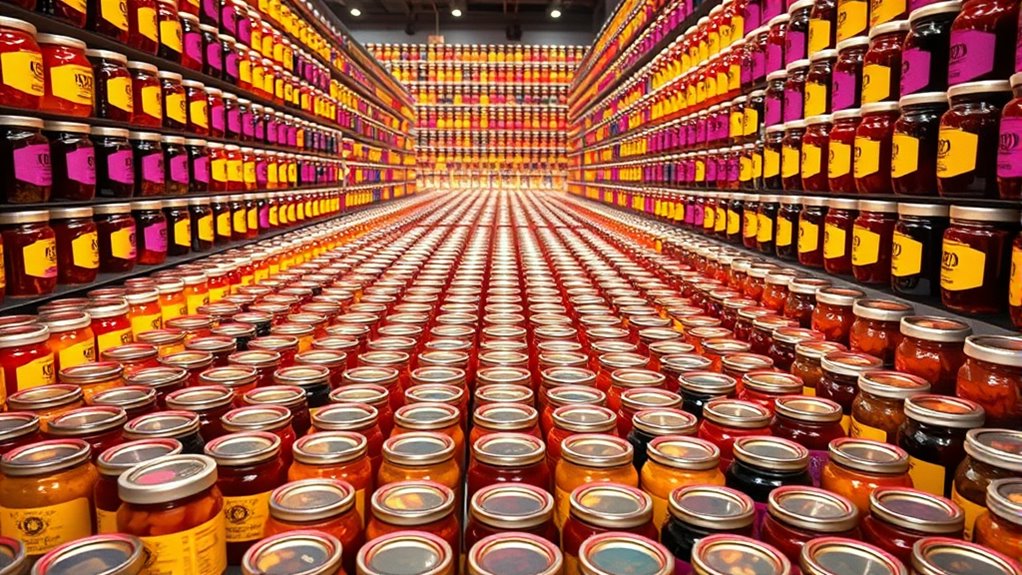

When you face too many options, your decision-making gets overwhelmed, leading to fatigue, stress, and lower satisfaction. The paradox of choice shows that more choices don’t mean better outcomes—instead, they drain your mental energy and cause you to second-guess or avoid decisions altogether. Simplifying your options helps you make quicker, clearer choices and boosts satisfaction. Keep exploring to discover practical ways to streamline your choices and regain control of your decisions.
Key Takeaways
- Excessive options can cause decision fatigue, making choices harder and less satisfying.
- Simplifying choices reduces cognitive load, enabling clearer and quicker decision-making.
- Limiting options helps prevent overwhelm and mental exhaustion during selection processes.
- Focusing on a few criteria streamlines decisions and boosts confidence in outcomes.
- Reducing options enhances satisfaction and minimizes regret by easing mental effort.

In today’s world, you’re often faced with so many options that making a decision can feel overwhelming. The endless choices—from what to eat, wear, or buy—can quickly lead to decision fatigue, where your mental energy becomes drained just from weighing options. This fatigue isn’t just about feeling tired; it actually hampers your ability to make clear, rational choices. Every time you face a new decision, your brain experiences an increased cognitive load, which is the mental effort required to process and evaluate options. When that load gets too heavy, you’re more likely to feel stressed, indecisive, or tempted to settle for less-than-ideal choices just to avoid further mental strain.
As you encounter more options, your brain works harder to compare, analyze, and predict outcomes. This constant mental effort taxes your cognitive resources, making it harder to think critically or prioritize what truly matters. Instead of making a well-informed decision, you might default to familiar options or avoid choosing altogether. The paradox here is that having more choices doesn’t necessarily lead to better outcomes; it often results in paralysis or regret. When your cognitive load is high, even simple decisions become complex, and you may find yourself overwhelmed by the sheer volume of alternatives. This overload can cause you to second-guess yourself or feel dissatisfied with your final choice because your mental energy was too depleted to evaluate options thoroughly. Recognizing the role of decision-making overload can help you develop strategies to streamline your choices.
To combat this, simplifying your choices becomes essential. Reducing the number of options you consider helps lessen decision fatigue and eases your cognitive load. For example, if you’re shopping for clothing, narrow your selection by setting specific criteria beforehand, like color or style, rather than browsing endlessly. This streamlined approach allows you to focus your mental resources on comparing a manageable set of options, leading to quicker, more confident decisions. It also helps prevent the feeling of being overwhelmed, making the process more satisfying and less exhausting.
Frequently Asked Questions
How Does Choice Overload Impact Mental Health?
Choice overload can seriously impact your mental health by causing decision fatigue and emotional overwhelm. When you face too many options, you may feel exhausted and anxious, making it harder to make decisions confidently. This constant mental strain can lead to feelings of frustration and helplessness. Simplifying choices helps reduce this overload, so you can conserve mental energy, feel more in control, and improve your overall emotional well-being.
What Industries Are Most Affected by Excessive Options?
Imagine a sea of endless choices—industry sectors like tech, fashion, and healthcare are most affected by excessive options. You might experience consumer fatigue, making decision-making exhausting. This overload erodes brand loyalty, as you struggle to find clarity. When options multiply beyond reason, you feel overwhelmed, and your trust in brands diminishes. Simplifying choices can restore your confidence, helping you make better decisions without feeling lost in a maze of endless possibilities.
Can Simplifying Choices Improve Decision-Making Speed?
Yes, simplifying choices can improve your decision-making speed by reducing decision fatigue. When you minimize options, you avoid feeling overwhelmed and can quickly identify the best alternative. This streamlining process helps you focus, decreases hesitation, and enables you to make confident, faster decisions. By limiting choices, you create clarity, making it easier to act promptly without second-guessing or overthinking.
How Do Cultural Differences Influence Preference for Options?
Cultural differences shape your preference for options by influencing how you approach decision-making. In some cultures, you value harmony and consensus, leading to a preference for fewer, well-vetted choices. In others, you embrace preference diversity, seeking multiple options to compare. Cultural decision making affects your comfort with complexity. Recognizing these differences helps you understand why some choices seem overwhelming or straightforward, depending on your cultural background and values.
Are There Technological Tools to Help Manage Choice Overload?
Like a skilled navigator steering through turbulent waters, you can harness technological tools to combat decision fatigue. User interface designs that streamline options and personalize choices act as your compass, guiding you smoothly. Algorithms and filtering systems cut through overwhelming seas of data, helping you focus on what truly matters. These tools serve as your lighthouse, reducing overload and illuminating the path to clear, confident decisions.
Conclusion
By embracing simplicity, you gently ease the burden of decision-making, allowing clarity to flourish. When you thoughtfully refine your options, you create a more harmonious path forward, subtly guiding you toward satisfaction without overwhelming your senses. Remember, sometimes less truly is more, and in trimming the excess, you reveal a clearer, more elegant way to navigate life’s choices. Ultimately, a simpler approach invites a calmer, more confident journey, gently steering you toward fulfillment with grace.