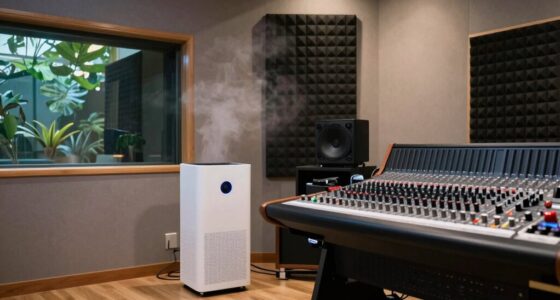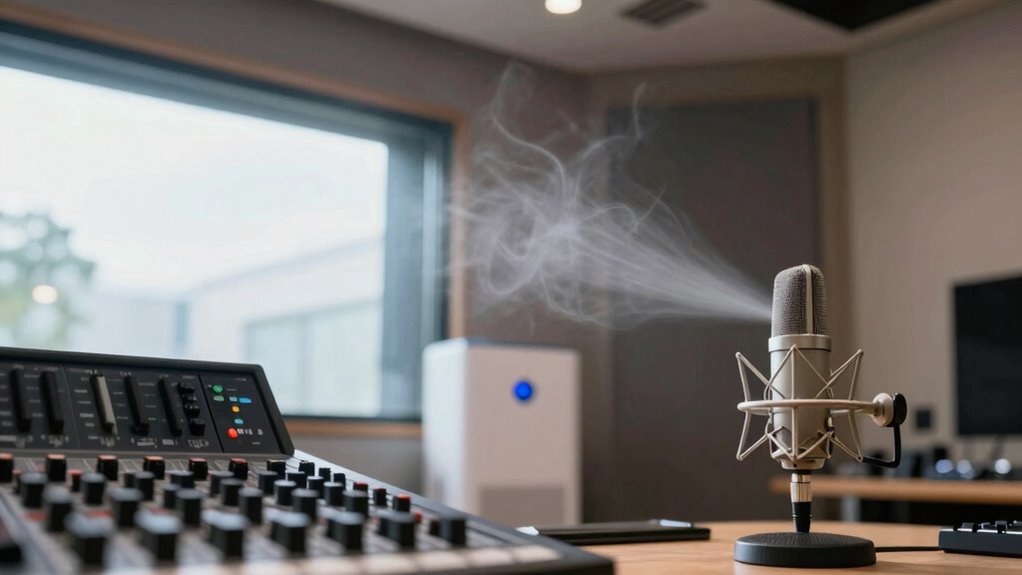

To choose the right air quality for your studio, focus on proper ventilation that removes indoor pollutants and excess humidity. Use air purifiers with HEPA filters to capture tiny particles and activated carbon filters for gases and odors. Position these units where air circulation is limited, and regularly maintain filters and vents. Incorporating plants can also improve air freshness. For a healthier workspace that boosts your workflow, exploring these options in detail will help you get started.

Get art and craft supplies delivered free — and shop member deals
- Fast, free delivery on millions of items
- Access to Prime Big Deal Days deals on October 6–7
- Prime Video, Amazon Music and more included
Key Takeaways
- Assess your studio’s size and airflow needs to select appropriate ventilation and air purification solutions.
- Choose air purifiers with HEPA and activated carbon filters suited for the studio’s pollutants and VOC levels.
- Position air purifiers and vents strategically to maximize airflow and reduce stagnant air zones.
- Regularly maintain filters, vents, and cleaning routines to ensure optimal air quality.
- Incorporate air-purifying plants and monitor air quality to support ongoing improvements.
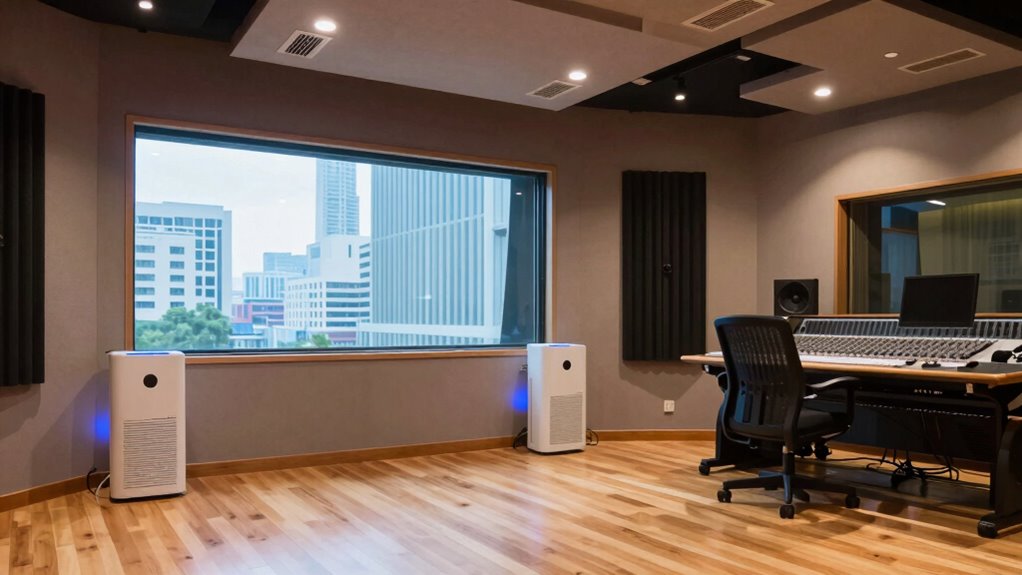
Creating a healthy environment in your studio starts with choosing the right air quality. When your workspace has clean, fresh air, you’ll notice improvements in focus, productivity, and overall well-being. To achieve this, start by evaluating your ventilation systems. Proper ventilation is crucial for removing indoor pollutants, excess humidity, and stale air that can accumulate from your equipment or materials. Consider installing or upgrading your ventilation system to guarantee constant airflow, ideally with a system that can be adjusted based on your studio’s needs. Ventilation systems with adjustable fans or exhaust vents allow you to control how much fresh air enters and how quickly contaminated air exits. If your studio is small or poorly ventilated, supplement your existing system with additional solutions to maintain ideal air quality.
Start by evaluating and upgrading your ventilation for clean, fresh air and a healthier studio environment.
Next, explore air purifier options that suit your space and workflow. Air purifiers can considerably reduce airborne particles, allergens, and volatile organic compounds (VOCs) that may be released from paints, adhesives, or other materials you use. Look for units with HEPA filters, which are highly effective at capturing tiny particles, or activated carbon filters for absorbing chemical odors and gases. The size of the air purifier matters; choose one that’s appropriate for your studio’s square footage to ensure efficient purification. Some models come with smart features like automatic sensors that monitor air quality and adjust filtration levels accordingly, giving you peace of mind that your environment remains consistently healthy. Additionally, understanding how air filtration systems work can help you select the most suitable equipment for your needs.
Beyond choosing the right equipment, position your ventilation and air purifier units strategically. Place air purifiers in areas where air circulation might be limited or where you work most intensively. Ensure that ventilation vents are unobstructed and regularly maintained to prevent blockages that could diminish airflow. Regularly changing filters and cleaning intake grills keeps your systems functioning at peak performance. You should also consider incorporating plants known for their air-purifying qualities, like snake plants or pothos, as a supplementary measure. Additionally, understanding the importance of indoor air quality can help you make more informed decisions about your studio setup.
Ultimately, maintaining good air quality in your studio is a continuous process. Regularly assess your environment, stay updated on new air purifier options, and ensure your ventilation systems are working effectively. When you invest in the right setup, you create a healthier, more comfortable workspace that boosts your creativity and productivity. Clean air isn’t just a luxury; it’s a crucial ingredient for a thriving studio environment that supports your workflow and well-being.
As an affiliate, we earn on qualifying purchases.
Frequently Asked Questions
How Often Should I Service My Air Filtration System?
You should service your air filtration system every 3 to 6 months to guarantee ideal air filter maintenance and ventilation enhancement. Regular checks help prevent dust, mold, and pollutants from building up, maintaining a healthy environment for your workflow. Replace filters as needed, especially if you notice decreased airflow or increased odors. Consistent servicing keeps your studio’s air quality high, supporting your productivity and well-being.
Are There Specific Air Quality Standards for Creative Studios?
Yes, there are specific standards for creative studios, especially concerning indoor humidity and VOC reduction. You should aim to keep indoor humidity between 40-60% to prevent mold and discomfort. Prioritize air purifiers that reduce VOC levels, which are common in creative environments with paints or solvents. Regularly monitor air quality, and choose equipment that meets industry standards to maintain a healthy, productive workspace.
Can Air Purifiers Reduce Noise Levels in My Studio?
Yes, air purifiers can reduce noise levels in your studio. Look for models designed with noise reduction features, such as quieter fans or sound-insulating housings. Proper purifier placement is key; position it away from your main workspace to minimize sound distraction while maximizing airflow. This way, you improve air quality and create a quieter environment, helping you stay focused and productive during your creative sessions.
What Are the Signs of Poor Air Quality Affecting Workflow?
When poor air quality whispers its way into your studio, you notice fatigue, headaches, or difficulty concentrating—like shadows dimming your focus. Indoor pollutants can cause sneezing, coughing, or lingering odors. Air quality sensors act as your vigilant guardians, alerting you to these issues before they escalate. If you find yourself struggling to stay productive or feeling unwell despite your efforts, it’s a clear sign your environment needs better ventilation or filtration.
How Do I Balance Ventilation and Air Quality Control?
To balance ventilation and air quality control, you should prioritize good air circulation while reducing indoor pollutants. Open windows regularly to bring in fresh air, and use exhaust fans to remove indoor pollutants like dust and fumes. Consider installing air purifiers with HEPA filters for continuous cleaning. Adjust ventilation based on activity levels and indoor conditions, ensuring a steady flow of fresh air without introducing outdoor pollutants.
As an affiliate, we earn on qualifying purchases.
Conclusion
Think of your studio as a thriving garden—your tools and ideas are the plants, but without fresh, clean air, growth stalls and leaves wither. Prioritize good air quality as you would water and sunlight, nurturing your creative environment. When you breathe easy, you’re cultivating a space where ideas flourish and productivity blooms. Remember, a well-maintained air system isn’t just ventilation—it’s the invisible gardener tending to your artistic landscape, ensuring your workflow stays vibrant and alive.
As an affiliate, we earn on qualifying purchases.
As an affiliate, we earn on qualifying purchases.
Halloween Picks
halloween
As an affiliate, we earn on qualifying purchases.