
To explore risograph printing, start by understanding how layering inks creates vibrant, textured colors that build depth in your designs. Choose suitable paper—ideally textured or heavyweight—to enhance ink absorption and overall look. Plan your color layers carefully to produce complex hues and interesting overlaps. Experiment with different color combinations and paper options to discover unique effects. If you keep exploring these techniques, you’ll find ways to achieve visually striking results with rich textures and vibrant layers.
Key Takeaways
- Understand how layered inks create vibrant, textured effects unique to risograph printing.
- Choose suitable paper types, such as textured or heavyweight stocks, to enhance color depth and durability.
- Experiment with color combinations and overlapping layers to achieve complex, dynamic hues.
- Test ink-paper interactions with small samples to optimize clarity, drying, and overall results.
- Plan your design carefully to leverage risograph’s strengths in color layering and tactile, textured aesthetics.
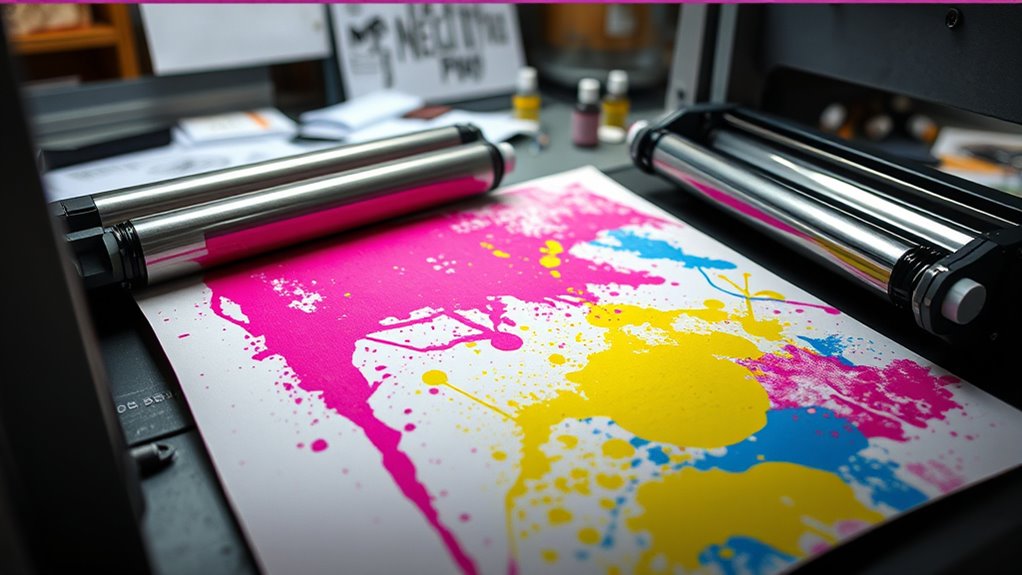
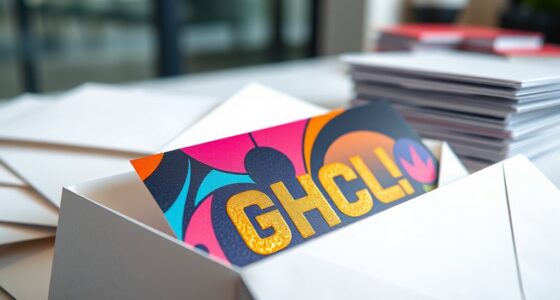
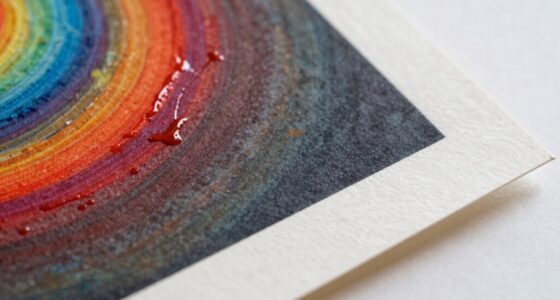
Risograph printing offers a vibrant, cost-effective way to produce high-quality prints with a distinctive look. One of its most appealing features is the ability to create dynamic color effects through color layering. Unlike digital printing, where colors are blended seamlessly, risograph printing relies on overlapping inks in separate runs. This technique allows you to build complex hues by layering different colors, giving your prints depth and richness. When planning your design, think about how each color interacts with the others; overlapping certain shades can produce new tones, so it’s essential to anticipate how your layers will combine. This process encourages experimentation, so don’t hesitate to test different combinations to see what works best for your vision.
Risograph’s layered inks create vibrant, complex colors with rich depth through careful planning and experimentation.
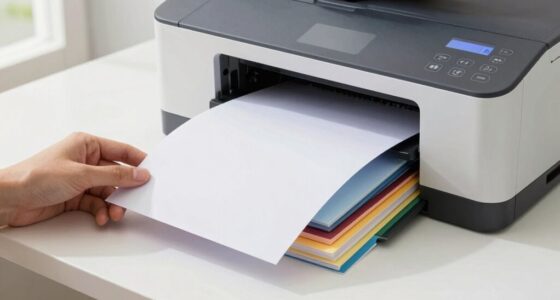
Equally important is your choice of paper, which greatly influences the final outcome. Risograph printers work best with specific types of paper—typically uncoated, textured, or heavyweight stocks—that can absorb the ink well without bleeding or smudging. The paper’s weight and texture add to the tactile quality of your print, enhancing its visual appeal. Thinner papers might produce a more delicate look, but they can also cause ink to bleed or transfer, especially if the ink layers are dense. On the other hand, thicker, textured papers tend to hold ink more reliably and showcase the layered colors vividly. When selecting your paper, consider the final use of your print; for art projects or posters, a sturdy, textured stock can elevate the aesthetic, while lighter papers might suit flyers or handouts better.
Additionally, the color layering process makes paper selection even more critical. Some papers absorb ink differently, affecting how vibrant or muted the layered colors appear. Experimenting with small samples before committing to a large run helps you understand how your chosen paper reacts with the inks and layered colors. Keep in mind that certain papers can also influence drying time and the overall durability of your print. If you’re aiming for a more vintage or handcrafted feel, textured and recycled papers can add character, while smooth, bright white stocks can make your colors pop with clarity. Understanding how color layering interacts with paper choices is essential for achieving the desired visual effect.
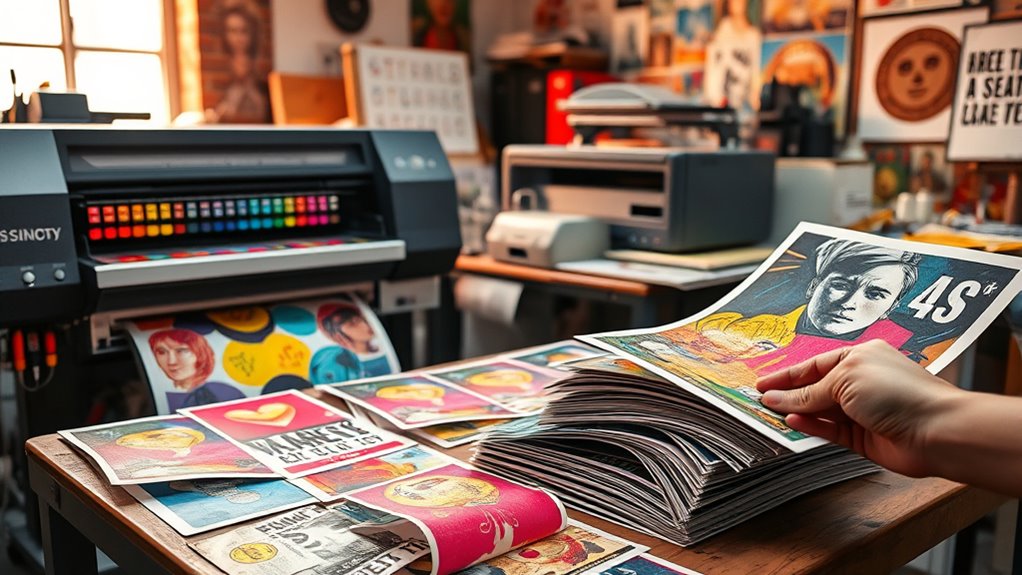
Ultimately, mastering risograph printing involves a thoughtful approach to both color layering and paper selection. By understanding how different inks interact through layered applications and how paper impacts ink absorption, you can leverage risograph’s unique qualities to produce compelling, vibrant artwork. Combining these elements with your creative vision results in prints that are not just visually striking but also rich with texture and depth, truly capturing the distinctive charm of risograph printing.

Riso S-8113 Black F II Type Duplicator Ink Box of 2 Risograph S8113U
Compatible with Risograph digital duplicators
As an affiliate, we earn on qualifying purchases.
As an affiliate, we earn on qualifying purchases.
Frequently Asked Questions
How Does Risograph Printing Compare to Traditional Screen Printing?
Risograph printing offers a unique blend of digital duplication and vibrant ink layering, making it distinct from traditional screen printing. While screen printing involves manual setup and multiple screens, risograph uses digital masters for faster, cost-effective runs. You’ll notice the ink layering creates rich textures and bold colors, but it’s less customizable than screen printing’s detailed control. Overall, risograph is efficient for high-volume, colorful prints with a handcrafted feel.
Can Risograph Printing Handle Detailed or Photographic Images Effectively?
Think of risograph printing as a delicate painter’s brush, capable of capturing subtle details with care. It handles high-resolution images and photographic reproduction well, but it’s not the best for ultra-fine, intricate details. While it can produce vibrant, textured prints of detailed images, you might notice some limitations in sharpness and clarity compared to digital or offset printing. For bold, artistic images, it truly shines.
What Are the Best Paper Types for Risograph Printing?
You should choose paper with a smooth or lightly textured surface for risograph printing to guarantee sharp details and vibrant colors. Opt for weight options between 80 to 130 gsm, depending on your project’s durability and feel. Heavier papers add a premium touch, while lighter ones save on cost. Experiment with different textures and weights to find the perfect match for your design, ensuring consistent ink absorption and crisp results.
How Do Color Overlays Work in Risograph Designs?
In risograph designs, color overlays work through color layering, where you print one color over another to create vibrant, complex visuals. You can achieve transparency effects by carefully aligning each layer, allowing underlying colors to show through. This technique lets you experiment with depth and richness in your prints, adding visual interest. Using multiple overlays, you can craft unique, eye-catching designs that leverage the risograph’s distinctive, layered color palette.
Is Risograph Printing Suitable for Small or Large Print Runs?
Risograph printing is ideal for small to medium print runs, thanks to its print run flexibility. You’ll find it cost-effective for limited editions or quick projects, as it doesn’t require high setup costs like traditional presses. However, for very large volumes, digital or offset printing might be more budget-friendly. So, if you’re planning a manageable print run with a creative edge, risograph offers a unique, budget-conscious solution.
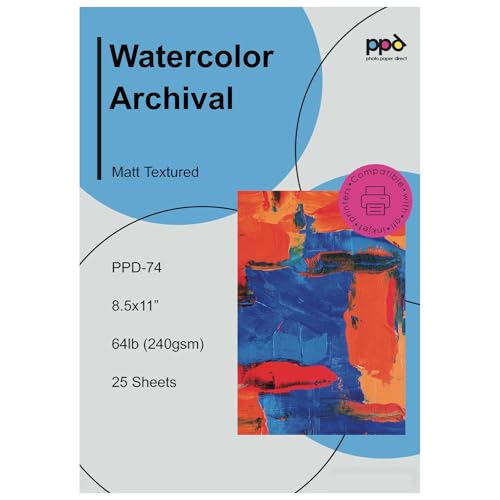
PPD Watercolor Printer & Printable Fine Art Paper for Inkjet Printer, Textured Giclee Archival Acid Free Paper 8.5 x 11, Professional Grade, Heavyweight 240 gsm/64 lb (25 Sheets)`
High Quality Inkjet Watercolor Paper: This premium 8.5 x 11 inch, 240 gsm (64 lb) fine art paper…
As an affiliate, we earn on qualifying purchases.
As an affiliate, we earn on qualifying purchases.
Conclusion
Don’t let the complexity of risograph printing intimidate you. Once you understand the process, it’s a vibrant, cost-effective way to bring your designs to life. Think of it like layering translucent paints—imagine a bright yellow over a bold blue, creating a vivid green. With practice, your prints will become more refined and dynamic. Embrace the imperfections and enjoy the creative journey—risograph printing turns simple ideas into striking, textured art.

Speedball 3471 Super Value Block Printing Starter Kit – Includes Ink, Brayer, Lino Handle and Cutters, Speedy-Carve
PERFECT INTRO SET – The block printing starter kit has all the essentials to get you started in…
As an affiliate, we earn on qualifying purchases.
As an affiliate, we earn on qualifying purchases.
color layering risograph print guide
As an affiliate, we earn on qualifying purchases.
As an affiliate, we earn on qualifying purchases.