The main mistake that weakens sustainable packaging quickly is prioritizing eco-friendly materials without ensuring enough durability. When packaging is too fragile, it can break during transit or handling, leading to increased waste and the need for replacements. This cycle of damage and disposal negates the environmental benefits of recyclable or biodegradable options. To truly support sustainability, you need to balance eco-assets with strength. Keep exploring to learn how to make smarter choices for long-lasting, eco-friendly packaging.
Key Takeaways
- Prioritizing eco-friendliness over durability can lead to fragile packaging that easily breaks during transit.
- Choosing biodegradable or recyclable materials without considering their strength increases product damage and waste.
- Relying on marketing labels without understanding actual material performance weakens packaging effectiveness.
- Using thin, less durable materials saves initial costs but results in higher replacement and waste over time.
- Ignoring the balance between sustainability and resilience causes packaging to fail prematurely, undermining eco-friendly goals.
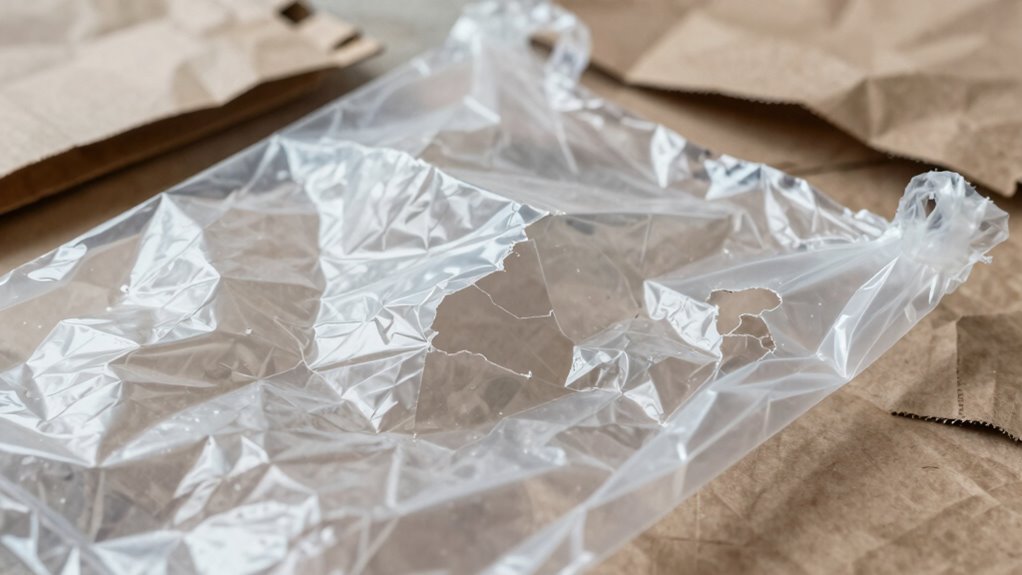
Many companies aiming for sustainable packaging overlook a critical mistake that quickly undermines their efforts: compromising on durability for the sake of eco-friendliness. You might believe that choosing the most biodegradable or recyclable materials automatically makes your packaging sustainable, but this isn’t always the case. Recycling myths can lead you astray, making you think that any eco-friendly material is a win. However, if your packaging isn’t resilient enough to protect the product during transit and storage, all those environmental benefits can be wasted. Weak packaging causes more waste, as products get damaged, leading to replacements and returns. This cycle defeats the purpose of sustainability, which is about reducing waste and resource consumption over time.
You need to understand that material durability plays a crucial role in true sustainability. The key isn’t just using the most environmentally friendly material available but selecting options that balance eco-assets with strength and resilience. For example, some biodegradable plastics break down quickly and look promising from a recycling myth standpoint, but they may not withstand shipping conditions or handling, resulting in increased waste. Conversely, thicker or sturdier materials, even if slightly less eco-friendly, can actually reduce overall waste by protecting products and extending their lifecycle. The goal is to find that sweet spot where your packaging is strong enough to serve its purpose without causing unnecessary harm to the environment. Educating yourself about environmental impact of tissue paper can help you select more sustainable and resilient packaging options.
Recycling myths often lead companies to overestimate the sustainability of certain materials, especially when labels scream “biodegradable” or “compostable.” These labels can give a false sense of security, but the reality is that many of these materials require specific conditions to break down, conditions not always available in landfills or recycling facilities. This misunderstanding can result in packaging that is discarded as “green” but ends up in landfills, where it may take years to decompose or, worse, cause pollution. You should focus on educating yourself about the actual recyclability and durability of your chosen materials. Don’t fall for marketing hype — instead, prioritize materials that can withstand the rigors of transportation, storage, and use, and are genuinely recyclable or compostable in your local waste management systems. Understanding the true recyclability of materials is essential for making informed decisions that support long-term sustainability. Additionally, exploring innovative eco-friendly materials can lead to better choices that align with durability and environmental goals.
Ultimately, sustainable packaging isn’t just about choosing the greenest materials; it’s about making smart choices that don’t sacrifice durability. If your packaging fails to protect the product, it’s not sustainable at all. Remember, durability reduces waste, conserves resources, and supports your eco-friendly goals. It’s important to recognize that material strength and resilience are often overlooked in the pursuit of sustainability, yet they are vital for truly effective solutions. Ignoring this balance can turn your well-intentioned efforts into a costly failure, both environmentally and financially. It’s also important to recognize that life cycle assessment is a valuable tool for evaluating the true environmental impact of packaging options. Focus on understanding the real properties of your materials, dispel recycling myths, and prioritize durability, and you’ll create packaging that truly supports sustainability in the long run.

BOX USA Shipping Boxes Medium 12"L x 9"W x 4"H 25-Pack – Corrugated Cardboard Box for Moving, Mailing, Packing, Packaging and Storage
DURABLE HEAVY DUTY MOVING BOXES – Aviditi shipping boxes are rated to 65 lbs made of 200#/ECT-32- Kraft…
As an affiliate, we earn on qualifying purchases.
As an affiliate, we earn on qualifying purchases.
Frequently Asked Questions
How Can Companies Effectively Measure Sustainability in Packaging?
You can effectively measure sustainability in packaging by conducting thorough lifecycle assessments, which analyze environmental impacts from production to disposal. Additionally, prioritize supply chain transparency to track sourcing, manufacturing, and logistics practices. By integrating these methods, you gain clear insights into your packaging’s sustainability performance, identify areas for improvement, and guarantee your efforts genuinely reduce environmental impact. This approach keeps your sustainability strategies accurate and impactful.
What Are the Latest Innovative Materials for Sustainable Packaging?
Imagine wrapping your products in a future where materials blossom with nature’s own touch. Today’s latest innovations include biodegradable plastics that break down effortlessly and plant-based materials sourced from renewable crops. These cutting-edge options not only reduce environmental impact but also appeal to eco-conscious consumers. By embracing these sustainable materials, you can create packaging that’s both innovative and eco-friendly, truly transforming waste into a thing of the past.
How Does Consumer Perception Influence Sustainable Packaging Choices?
Your consumer perception profoundly influences sustainable packaging choices. When consumers trust a brand’s commitment to sustainability, they’re more likely to support eco-friendly packaging. Perception influence shapes their buying decisions, as they associate quality and responsibility with brands that prioritize environmental concerns. If your packaging appears authentic and transparent, it builds consumer trust, encouraging loyalty. Conversely, skepticism about green claims can undermine your efforts, making perception influence a critical factor in sustainable packaging success.
Are There Cost-Effective Ways to Improve Packaging Sustainability?
Yes, you can improve packaging sustainability cost-effectively by choosing eco-friendly fonts that reduce ink usage and opting for biodegradable adhesives to minimize environmental impact. These small changes don’t require significant investment but make a big difference. You’ll also enhance your brand’s eco-conscious image, which appeals to consumers. Implementing these options streamlines your packaging process, lowers costs, and boosts your sustainability efforts without sacrificing quality or increasing expenses.
What Regulatory Changes Impact Sustainable Packaging Development?
Regulatory compliance and policy incentives directly shape sustainable packaging development. You might think these rules limit innovation, but they actually push you to adopt eco-friendly materials and practices faster. Changes like stricter waste management laws or incentives for biodegradable packaging create opportunities. Staying ahead means understanding evolving regulations, so you can adapt quickly, turning compliance into a competitive advantage. Don’t see regulation as a hurdle—see it as a catalyst for sustainable growth.
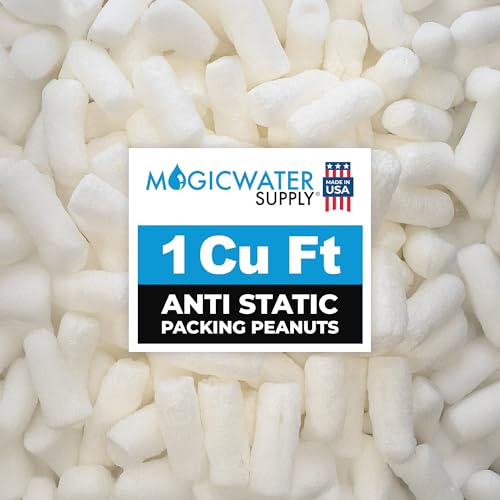
MagicWater Packing Peanuts for Shipping – 1 Cu Ft – Bio Tube Recycled Compostable & Biodegradable Void Filler – Cushion for Shipping Packaging – Dust-Free & Abrasion Resistant – Non Styrofoam
ECO-FRIENDLY & SUSTAINABLE PACKAGING SOLUTION: Choose our packing peanuts for shipping, made from renewable, sustainable materials, to reduce…
As an affiliate, we earn on qualifying purchases.
As an affiliate, we earn on qualifying purchases.
Conclusion
You hold the key to sustainability — like a fragile seed, your choices can nurture or destroy. If you overlook the importance of genuine commitment, your efforts become brittle, easily shattered by shortcuts. Remember, sustainable packaging is a garden requiring consistent care and integrity. Only when you tend it with purpose and respect will it grow strong enough to withstand the storms of consumer demand and environmental change. Choose wisely, and let your actions be the sturdy roots of true sustainability.
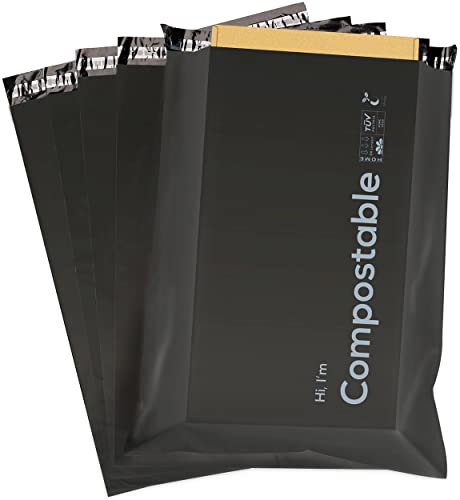
10×13 inch Biodegradable Shipping Bags,50 Count Compostable Poly Mailers with Eco Friendly Packaging Envelopes Supplies Mailing Bags
100% BIODEGRADABLE – Made of PBAT and modified corn starch in accordance with the standards of ASTM 6400,…
As an affiliate, we earn on qualifying purchases.
As an affiliate, we earn on qualifying purchases.

Honeycomb Packing Paper,12 inch x 200 ft Bubble Cushioning Wrap for Packing Moving,Products Gifts Wrapping Paper,Recyclable and Biodegradable Shipping Packing Materials with 20 Fragile Sticker Labels
Environmental Friendly Packing Shipping Supplies :Eco friendly 100% biodegradable kraft paper, green alternative to plastic packaging materials .After…
As an affiliate, we earn on qualifying purchases.
As an affiliate, we earn on qualifying purchases.