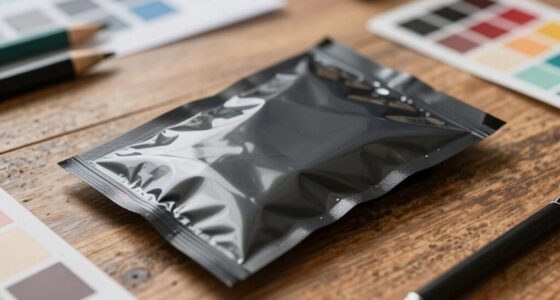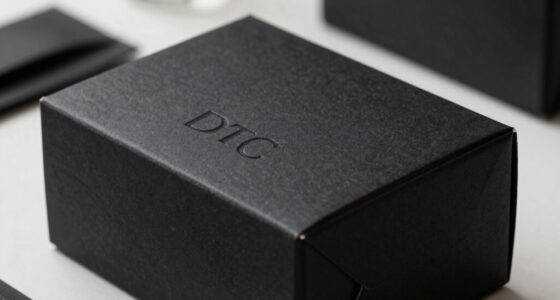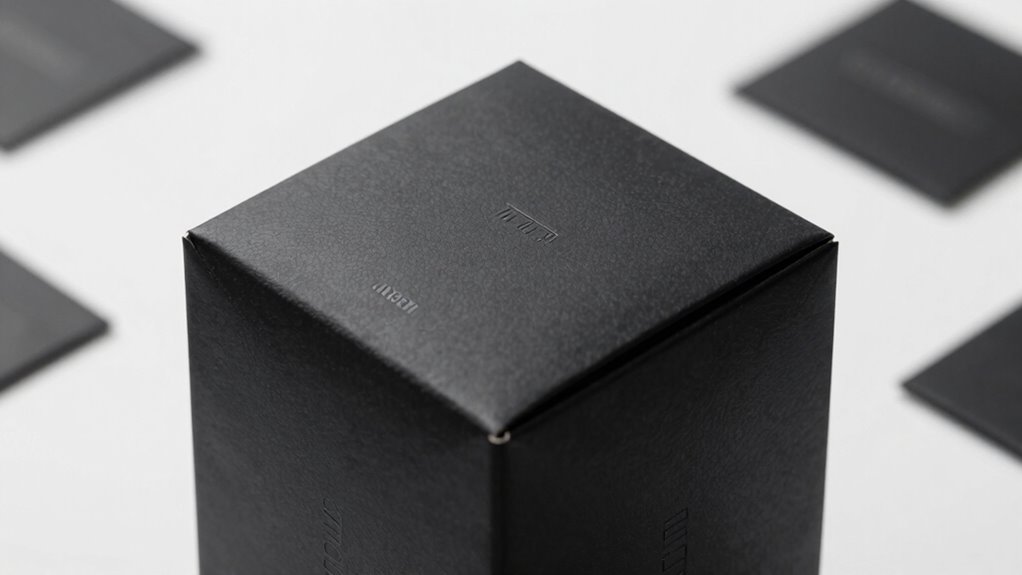

Physical packaging mockups are essential because they show real-world performance, which specs alone can’t capture. You can assess material durability, see tactile qualities, and evaluate how designs look with true colors and textures. Mockups reveal how packaging behaves under stress, shipping, and environmental conditions, helping you spot issues early. By experiencing your packaging firsthand, you gain valuable insights that improve your product’s success. Keep exploring, and you’ll discover even more about making your packaging truly stand out.

Get art and craft supplies delivered free with Prime
- Fast, free delivery on millions of items
- Prime Video, Amazon Music and more included
- Member-only deals all year
Key Takeaways
- Mockups reveal tactile qualities, textures, and real-world material behavior that specs cannot capture.
- They enable testing packaging durability against impacts, tears, and environmental stresses.
- Physical mockups provide accurate visual assessment of colors, finishes, and branding details.
- They help identify design flaws and performance issues early, reducing costly revisions.
- Mockups bridge the gap between theoretical design and practical application for better product launches.
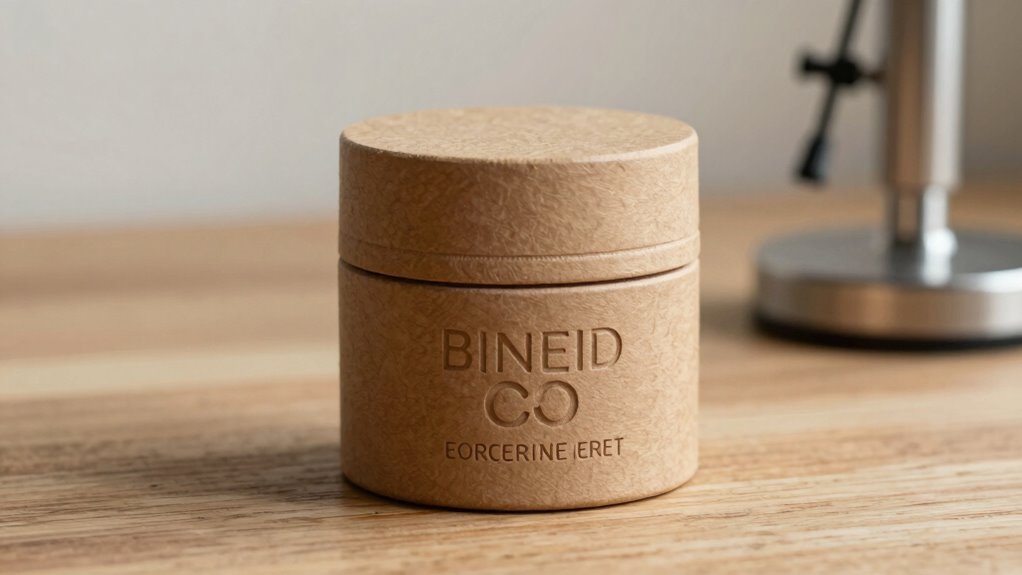
While technical specifications are important, they often don’t capture the full impact of packaging design. When you’re developing a product, understanding how the packaging looks and feels in real life is just as vital as knowing its measurements or material properties. That’s where physical mockups come into play. They give you a tangible, three-dimensional version of your packaging, allowing you to assess material durability and visual realism firsthand. This hands-on experience can reveal subtle details that digital models might miss, such as how light interacts with textures or how the packaging feels during handling. Specs can tell you about the strength or weight of materials, but they don’t reveal how those materials behave in real-world scenarios or how convincing the final appearance will be.
Material durability is a key factor when evaluating mockups. Even if a packaging design looks perfect on paper, it might not hold up under actual conditions like shipping, handling, or consumer use. When you hold a mockup, you can test its resistance to impacts, tears, or moisture, giving you a clear sense of whether your chosen materials will withstand the stresses of the supply chain. This hands-on approach helps you identify weak points early, saving you time and money before mass production. It’s easy to overlook the importance of durability until you see how the packaging performs in real life, and a mockup makes that evaluation straightforward and immediate. Material performance can vary significantly from specifications, making physical testing essential to ensure the packaging performs as expected in diverse environments. Incorporating physical testing into your process allows you to verify that the packaging can handle real-world stresses effectively, which is especially critical when considering environmental factors.
Additionally, visual realism is another vital aspect that specs alone can’t fully communicate. A digital rendering or technical drawing can suggest how your packaging might look, but it rarely captures the true colors, textures, or depth. When you work with a physical mockup, you see the actual surface finishes, print quality, and structural details. This helps you determine if the branding elements pop visually and if the overall aesthetic aligns with your brand identity. It’s also a chance to gather feedback from stakeholders and consumers, who can physically handle the mockup and provide insights that might be missed on screens or in spreadsheets. Recognizing the importance of visual realism can help ensure your final design resonates more effectively with your target audience.
In essence, a well-made mockup bridges the gap between theory and reality. It provides a tactile experience that reveals the true material durability and visual realism of your packaging. Specs are valuable, but they’re just one piece of the puzzle. By investing in physical mockups, you gain an all-encompassing understanding of how your packaging will perform and appear in the hands of consumers. This process guarantees your final product not only meets technical standards but also resonates visually and withstands the demands of everyday use. Recognizing the importance of physical testing can significantly improve your product development process and ensure a more successful launch.
As an affiliate, we earn on qualifying purchases.
Frequently Asked Questions
How Do Mockups Influence Consumer Perception of a Product?
Mockups influence your perception by showcasing the product’s visual appeal, making it easier to judge quality and attractiveness. When you see a well-designed mockup, it builds brand trust because it signals professionalism and attention to detail. This tangible preview helps you connect emotionally, reinforcing your confidence in the product before purchase. Ultimately, mockups shape how you perceive the brand’s credibility and the product’s value, impacting your buying decision.
Can Mockups Help Identify Packaging Design Flaws Early?
Yes, mockups can help you spot packaging design flaws early by testing material durability and evaluating how the design holds up in real-world conditions. This allows you to identify issues before production, saving time and reducing costly revisions. Mockups also enable you to evaluate production speed, ensuring the final packaging is both functional and efficient to produce, ultimately improving the overall quality and turnaround.
What Materials Are Best for Realistic Packaging Mockups?
You should choose materials that mimic real packaging textures for the most realistic mockups, like cardboard, plastic, or paperboard. These materials not only reflect the look and feel but also guarantee mockup durability, allowing you to handle and test them without damaging. Using authentic textures helps identify design flaws early and gives stakeholders a true sense of how the final product will appear and perform.
How Much Do Mockups Typically Cost Compared to Digital Specs?
Mockup expenses typically range from a few hundred to several thousand dollars, depending on complexity and materials, making the cost comparison to digital specs quite significant. While digital files are inexpensive, investing in physical mockups offers tangible benefits like revealing design flaws and ensuring practicality. Though initial costs are higher, mockups save money in the long run by preventing costly errors and ensuring your packaging looks and functions as intended.
When Should a Company Invest in Physical Mockups During Development?
You should invest in physical mockups early in development, when market testing and stakeholder feedback can truly shape your packaging. Picture your product in hand, feeling its weight, texture, and visual appeal—these details matter. By doing so, you catch design flaws and gauge consumer reactions before mass production. This hands-on approach guarantees your packaging resonates with your audience, saving costs and boosting success in the long run.
As an affiliate, we earn on qualifying purchases.
Conclusion
So, next time you’re dazzled by detailed specs, remember—nothing beats the real thing. It’s amusing how we often overlook tactile mockups in favor of numbers on a screen. Yet, when it comes to true product experience, those physical models reveal flaws specs can’t hide. Ironically, the tangible, imperfect mockup often saves you more time and money than a perfect spreadsheet ever could. After all, seeing is believing, even in packaging.
product packaging durability testing
As an affiliate, we earn on qualifying purchases.
As an affiliate, we earn on qualifying purchases.
As an affiliate, we earn on qualifying purchases.
Fall Picks
fall essentials
As an affiliate, we earn on qualifying purchases.