
Fair use in design matters more than you might realize because it gives you legal flexibility to reuse, remix, and transform existing work without fearing infringement. It encourages creativity, innovation, and helps you avoid costly legal trouble by understanding its boundaries. Many designers overlook its importance, missing out on the strategic advantage it offers. If you want to master responsible reuse and protect your work, there’s more to uncover about how fair use can support your creative journey.
Key Takeaways
- Fair use encourages innovation by allowing limited reuse of copyrighted material in designs.
- Understanding fair use helps designers avoid costly legal disputes and infringement risks.
- Proper application of fair use enables transformative work that adds new value to existing content.
- Recognizing fair use boundaries promotes responsible creativity and protects original creators’ rights.
- Knowledge of fair use enhances legal protection and fosters a strategic approach to design reuse.
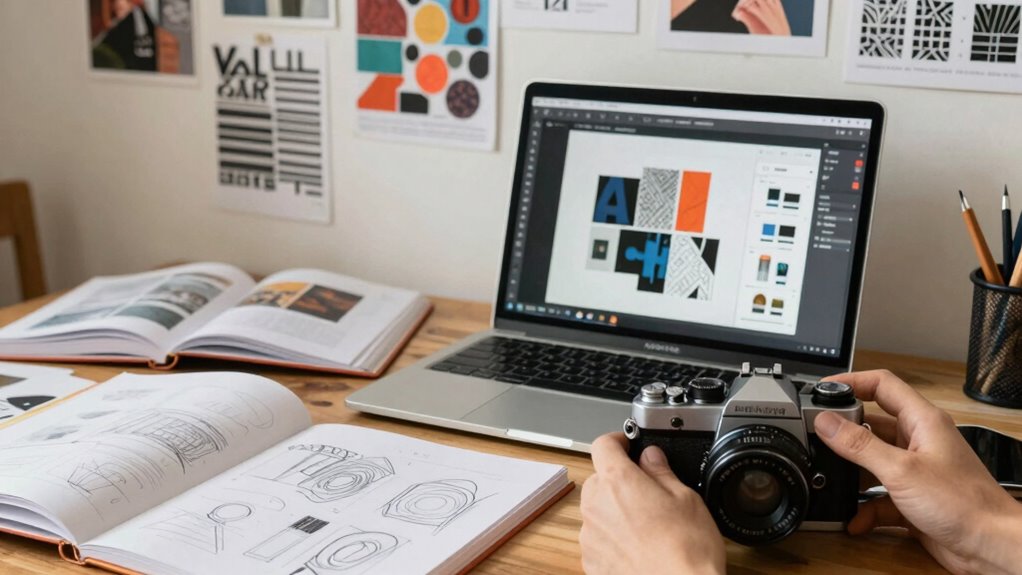
Have you ever wondered when you can legally incorporate existing designs into your own work? Understanding fair use in design is essential because it directly impacts how you navigate intellectual property laws and copyright enforcement. Many designers overlook the importance of fair use, assuming that any reuse of existing work is off-limits. However, fair use exists to promote creativity and innovation by allowing limited use of copyrighted material without permission, provided certain conditions are met. Recognizing when your work falls within these boundaries can save you from costly legal disputes and help you produce original, impactful designs.
Intellectual property laws are designed to protect creators’ rights, but they also include provisions for fair use, which acts as a safeguard for creative expression. Fair use isn’t a free pass to copy whatever you want; it’s a nuanced doctrine that considers factors like purpose, nature, amount used, and the effect on the original market. This means that using a small section of a copyrighted design for commentary, criticism, or educational purposes may be acceptable, especially if your work transforms the original and adds new value. When you understand these nuances, you gain a strategic advantage that can influence your entire creative process. Additionally, understanding the concept of originality can help you determine when your work qualifies as transformative and within fair use boundaries. Recognizing creative transformation as a key element can further refine your approach to borrowing and remixing. Moreover, awareness of copyright enforcement trends can help you navigate evolving legal standards more confidently. Staying informed about legal developments can also help you adapt your practices to maintain compliance and avoid unintended infringement.
Copyright enforcement has become increasingly strict in recent years, making it indispensable for designers to know their rights and limitations. Blindly avoiding any reuse of existing designs might seem safest, but it can also limit your creative potential. Instead, knowing how to leverage fair use can help you incorporate elements from existing designs responsibly, avoiding infringement while still drawing inspiration. Being aware of the boundaries set by copyright law allows you to create work that respects other creators’ rights without stifling your own originality. This knowledge helps you build a portfolio that’s both innovative and legally sound. Moreover, understanding how to assess legal risks can guide you in making informed decisions when borrowing or transforming existing content.
Most designers underestimate the importance of fair use and overestimate the risks of using existing designs. The reality is, understanding the boundaries of intellectual property and copyright enforcement gives you more freedom to experiment and remix. It encourages a thoughtful approach to borrowing elements and transforming them into something new. When you recognize the significance of fair use, you’re better equipped to protect your work and stand on solid legal ground. Ultimately, appreciating why fair use matters more than most designers think can profoundly influence your approach to design, fostering a creative environment where inspiration and legality coexist harmoniously.

New Frontier of Copyright Law and Fair Use on the Internet: Essential Guide for Writers, Bloggers, Video Producers, Web Designers and Music Producers
As an affiliate, we earn on qualifying purchases.
As an affiliate, we earn on qualifying purchases.
Frequently Asked Questions
Can Fair Use Apply to Copyrighted Logos in Design Projects?
Fair use can sometimes apply to copyrighted logos in design projects, but it’s risky. If your use might cause trademark infringement or infringe on intellectual property rights, you could face legal issues. Consider whether your use is transformative, non-commercial, or limited, as these factors influence fair use. Always assess the potential for infringing on trademarks or other rights, and consult legal advice to avoid costly disputes.
How Does Fair Use Differ Between Commercial and Educational Design Work?
You might notice fair use varies between commercial and educational design work, mainly because courts consider transformative use and parody considerations. In educational settings, fair use often leans in your favor if you’re providing critique or commentary. Conversely, commercial projects face stricter scrutiny, especially if the work isn’t markedly transformative. So, understanding these nuances helps you navigate copyright risks, ensuring your designs remain respectful of fair use principles while achieving your creative goals.
What Are the Risks of Misapplying Fair Use in Design?
Misapplying fair use can breach creative boundaries and lead to legal issues, risking costly lawsuits or damages. You might unintentionally infringe on copyright, damaging your reputation and ethical standing. Recognizing the ethical implications helps you respect creators’ rights while fostering innovation. To avoid these risks, thoroughly understand fair use principles, seek permission when in doubt, and prioritize ethical practices, ensuring your work remains both legally compliant and morally sound.
Are There Specific Industries Where Fair Use Is More Restrictive?
You might be surprised, but industries like fashion and advertising face stricter industry restrictions on fair use due to complex copyright nuances. In these fields, courts often scrutinize how works are used, making fair use less predictable. Knowing these nuances helps you avoid legal pitfalls. So, when designing for these industries, you need to be extra cautious, as the boundaries of fair use are tighter and more nuanced.
How Can Designers Document Fair Use to Avoid Legal Issues?
To avoid legal issues, you should maintain solid usage documentation, including detailed records of how you used copyrighted material. Always include creative attribution when applicable, crediting original creators clearly. Keep copies of licenses, permissions, and correspondence related to fair use. This documentation proves your intent and adherence to fair use principles, helping you defend your design decisions if questions arise and ensuring your use remains within legal boundaries.
design remixing and transformation legal book
As an affiliate, we earn on qualifying purchases.
As an affiliate, we earn on qualifying purchases.
Conclusion
Understanding fair use in design isn’t just a legal detail; it’s the compass guiding your creative voyage through uncharted waters. By respecting fair use, you safeguard your originality while honoring the ingenuity of others. Think of it as a delicate dance—balancing innovation and integrity—where each step you take shapes your reputation. Embrace fair use as your silent partner, and you’ll navigate the design world with confidence, turning potential pitfalls into stepping stones for true creativity.

Copyright for Creatives: A Practical Guide to Copyright Law for Creative People Who Make Stuff
As an affiliate, we earn on qualifying purchases.
As an affiliate, we earn on qualifying purchases.

Introductory Intellectual Property Law for Designers
As an affiliate, we earn on qualifying purchases.
As an affiliate, we earn on qualifying purchases.