
Understanding whether you need copyright or design rights depends on your creation’s nature. Copyright protects original works like books, music, or art, giving you exclusive rights over their reproduction and distribution. Design rights safeguard the visual appearance of products such as furniture or packaging, focusing on aesthetics. Knowing which protection aligns with your work can prevent future legal issues. Stay with us to discover how these protections differ and how they can work together for you.
Key Takeaways
- Copyright protects original works of authorship like art, music, and literature, focusing on expression rather than appearance.
- Design rights safeguard the visual appearance of products, such as shapes, patterns, and packaging, emphasizing aesthetics.
- Copyright lasts for the author’s lifetime plus 70 years, while design rights typically expire after 15-25 years.
- Use copyright for creative works; choose design rights for unique product looks and visual designs.
- Understanding these differences helps select the appropriate protection based on the type of creation and intended use.
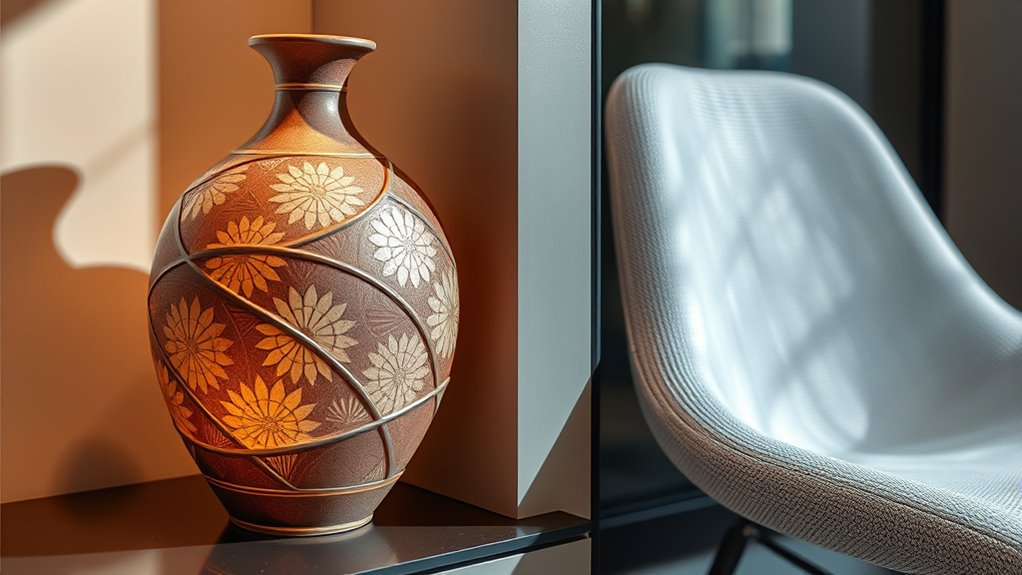
When it comes to protecting your creative works, understanding the difference between copyright and design rights is essential. To grasp this, it helps to look at their historical evolution. Copyright law has roots that go back centuries, originally established to protect authors and artists from unauthorized reproductions of their works. Over time, it expanded to cover various mediums, adapting to technological advances like print, film, and digital content. Design rights, on the other hand, emerged later to safeguard the visual appearance of products, emphasizing aesthetics rather than the expression of ideas. Recognizing how these protections evolved over time clarifies their distinct roles in intellectual property law.
International treaties have played a crucial part in shaping and harmonizing copyright and design rights worldwide. Agreements like the Berne Convention, established in 1886, set the foundation for mutual recognition and protection of copyrighted works across member countries. It ensures that if you hold a copyright in one signatory country, it’s recognized elsewhere without the need for separate registration. Similarly, the Hague Agreement Concerning the International Registration of Industrial Designs simplifies the process for registering design rights internationally. These treaties provide a framework that helps creators and businesses protect their works globally, reducing legal complexities and fostering international trade.
Understanding the historical evolution of these protections and the role of international treaties also highlights their differences. Copyright generally covers original literary, artistic, and musical works, granting exclusive rights to reproduce, distribute, and display. It typically lasts for the author’s lifetime plus 70 years, depending on jurisdiction. Design rights, however, focus on the visual appeal of a product or item, like furniture, jewelry, or packaging, and usually last a shorter period—often 15 to 25 years—depending on the country. They don’t protect the underlying idea or function but only the specific design’s appearance.
Knowing which protection you need depends on the nature of your creation. If you’ve authored a novel, song, or painting, copyright is your go-to safeguard. If you’ve developed a unique look for a product or packaging, then design rights are more appropriate. Both types of protection have evolved through history and international cooperation to serve different purposes, but understanding their origins and legal frameworks helps you make informed decisions about safeguarding your work. Ultimately, aligning your protection strategy with the specific characteristics of your creation ensures you’re best positioned to defend your rights across borders.

Mastering Copyright Protection: A Comprehensive Guide, Tips, Insights and Strategies for Entrepreneurs to Safeguard Their Creative Work Against Infringement … examples and explanations Book 12)
As an affiliate, we earn on qualifying purchases.
As an affiliate, we earn on qualifying purchases.
Frequently Asked Questions
Can I Register Both Copyright and Design Rights for the Same Work?
Yes, you can register both copyright and design rights for the same work, but be aware of potential legal conflicts. Dual registration offers broader protection, covering both creative expression and visual appearance. However, it’s essential to understand each protection’s scope, as overlapping rights might lead to legal disputes. To avoid conflicts, consult a legal expert, ensuring you properly register both rights without risking invalidation or enforcement issues.
How Long Does Protection Last Under Each Type of Rights?
Imagine your creative work as a shining lighthouse guiding others. Copyright protection lasts for the duration periods of your lifetime plus 70 years, ensuring your legacy endures. Design rights, like a sturdy ship, provide protection for typically 15 to 25 years, depending on your location. Both legal durations give your work a safe harbor, but copyright offers a longer-lasting shield for your artistic and literary creations.
Are There Specific Industries Where One Protection Is More Advantageous?
In the fashion industry, design rights protect unique patterns and shapes, making them more advantageous. For software development, copyright shields code and creative content, so it’s more beneficial. You should choose protection based on your industry needs; design rights safeguard visual aspects, while copyright covers artistic and intellectual works. Understanding these nuances helps you secure the right protection, ensuring your creative and innovative efforts are properly covered.
What Are the Costs Involved in Registering Copyright Versus Design Rights?
Oh, the joy of choosing protection! Registering copyright usually costs less upfront, with minimal registration fees and no renewal fees, making it simple and budget-friendly. Design rights, on the other hand, can involve higher registration costs and renewal fees over time, which might feel like a never-ending expense. So, if you’re penny-pinching, copyright might be your best bet—just watch those renewal fees for design rights pile up!
How Do International Laws Affect Copyright and Design Rights Protections?
International laws, like treaties, influence how you safeguard your copyright and design rights globally. These agreements help enforce your rights across countries, making it easier to combat infringement. However, enforcement challenges remain, as local legal systems and resources vary. You need to understand these treaties and local laws to ensure your rights are protected internationally, and be prepared for potential difficulties in enforcement outside your home jurisdiction.

DTmasao 4×6 Inches 100 Pcs Clear Self Sealing Cellophane Bags Cookie Bags Resealable Cellophane Bag for Packaging Cookies,Gifts,Favors, Products,Candy
100 Pcs 4×6 Inches resealable cellophane bags(6" length excludes glue flap), our clear cello bags can dress up…
As an affiliate, we earn on qualifying purchases.
As an affiliate, we earn on qualifying purchases.
Conclusion
Think of copyright and design rights as two guardians watching over your creations. One shields the soul—the essence and expression—while the other guards the form and appearance. Knowing which protector to summon ensures your ideas stay safe in the domain of innovation. Don’t leave your masterpiece vulnerable; choose wisely, and let these guardians stand as symbols of your creative empire—strong, unwavering, and uniquely yours.

International Pharmaceutical Product Registration
As an affiliate, we earn on qualifying purchases.
As an affiliate, we earn on qualifying purchases.

Intellectual Property Rights Made Easy for a Common Man: Protect What You Create. Own What You Think. (Indian Law Made Simple Series)
As an affiliate, we earn on qualifying purchases.
As an affiliate, we earn on qualifying purchases.