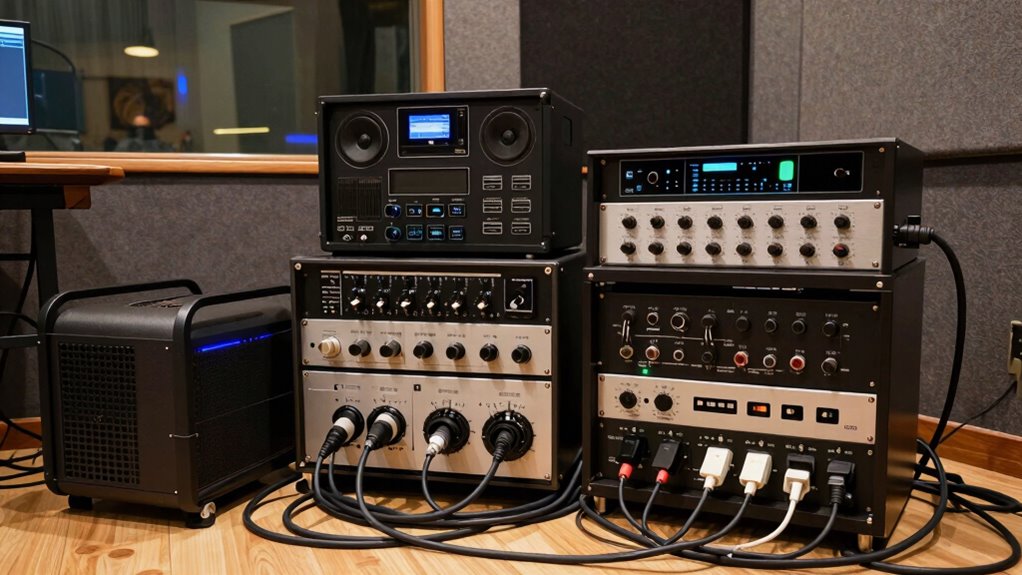

One common mistake is selecting a backup power system that doesn’t match your studio’s actual needs, leading to disruptions or wasted money. You might overlook regular maintenance or testing, causing failures when you need backup most. Failing to plan for future growth or cost considerations can also leave you unprepared. By understanding these pitfalls, you can avoid costly mistakes and guarantee your studio stays powered through any outage—more insights await to help you get it right.

Get art and craft supplies delivered free — and shop member deals
- Fast, free delivery on millions of items
- Access to Prime Big Deal Days deals on October 6–7
- Prime Video, Amazon Music and more included
Key Takeaways
- Choosing a generator that doesn’t match the studio’s specific power load can cause performance issues or equipment failure.
- Overlooking proper power management and automatic transfer switches can lead to delays and equipment damage during outages.
- Neglecting regular maintenance and testing of backup systems reduces reliability and risks unexpected failures during critical moments.
- Underestimating ongoing system care and future scalability can compromise preparedness and increase long-term costs.
- Focusing solely on initial cost without assessing total system needs may result in inadequate backup power and costly disruptions.
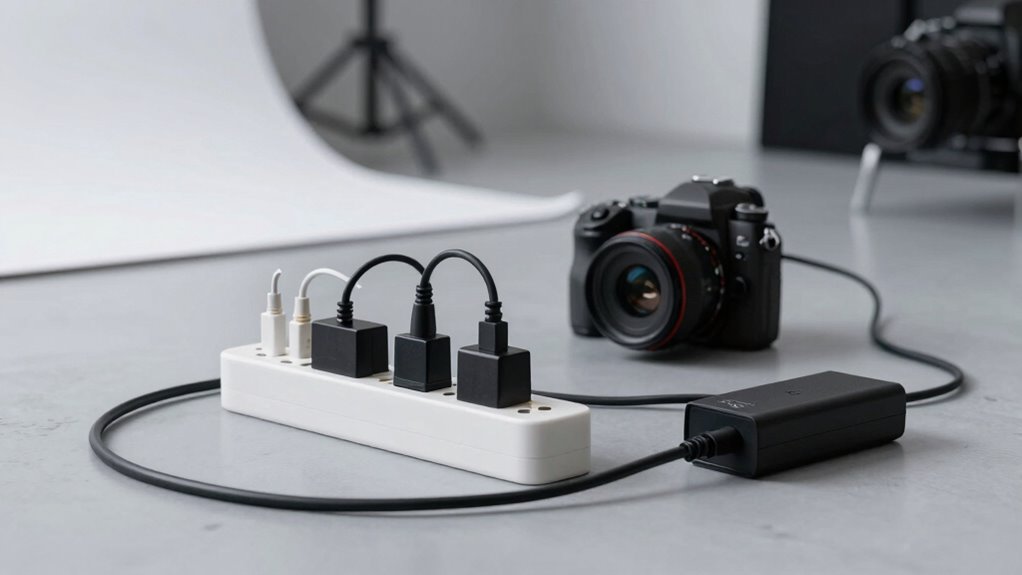
When it comes to running a studio, relying solely on your main power source can lead to costly disruptions. Power outages happen unexpectedly, and if you’re unprepared, your entire operation can come to a halt. That’s why many studio owners turn to backup power solutions. But one common mistake people make is not choosing the right generator. Generator selection is critical because not all backup units are created equal. You need a generator that can handle your specific power load without overloading or underperforming. A generator that’s too small won’t support all your essential equipment, leading to interruptions, while one that’s too large may waste money and energy. It’s vital to assess your power needs carefully and select a generator that matches your studio’s demands.
Once you’ve picked the right generator, you might think your job is done. However, many overlook the importance of power management. Proper power management isn’t just about having a backup; it’s about using it wisely. Without effective power management, you risk draining your backup system quickly or causing power surges that damage sensitive equipment. You need a plan to prioritize critical devices—like your audio interfaces, computers, and recording gear—so they stay running during an outage. Automatic transfer switches can help ensure a seamless switch from main power to backup power, minimizing downtime. Additionally, implementing smart power management systems allows you to monitor energy consumption and identify potential issues before they cause problems. Recognizing the importance of power management can significantly extend the lifespan of your backup system and protect your investments. Staying informed about power system maintenance is equally crucial to ensure reliability and readiness. Regular upkeep and understanding your system’s capabilities can also prevent unexpected failures, saving you from costly repairs or replacements. Incorporating preventive maintenance into your routine can further improve the overall resilience of your backup power setup. Moreover, understanding the cost implications of various backup solutions can help you make more informed decisions that balance budget and reliability.
Another mistake is underestimating the ongoing maintenance and testing required for backup power systems. Generators need regular inspections, testing, and fueling to ensure they’re ready when needed. Neglecting this can lead to failures during critical moments, defeating the purpose of having backup power in the first place. Many studio owners overlook this aspect, thinking once installed, their system can sit idle. But backup power solutions are like any other piece of equipment—they require routine care to function reliably.
In essence, avoiding these mistakes involves a clear understanding of your power needs and a proactive approach to managing your backup system. Selecting the right generator isn’t just about capacity; it’s about matching your specific requirements and planning for future growth. Equally important is implementing a robust power management strategy that safeguards your equipment and reduces risks. When you pay attention to these details, you’ll ensure smoother operations, even when the unexpected strikes.
As an affiliate, we earn on qualifying purchases.
Frequently Asked Questions
How Often Should Backup Power Systems Be Maintained?
You should maintain your backup power system at least every three to six months. Regular checks help guarantee the battery lifespan remains ideal and that the system can handle unexpected power surges. During maintenance, test the battery, inspect for corrosion, and verify connections. Staying proactive prevents failures, especially when you need backup power most. Consistent maintenance keeps your system dependable and extends its overall lifespan.
What Are the Costs Associated With Different Backup Power Options?
Imagine your studio’s power supply as a steady stream of light—costs vary based on options. Battery-powered backups, like UPS systems, have initial costs but offer quick power during outages, with a lifespan of around 3-5 years. Generators require higher upfront investment but provide extensive power capacity for longer durations. Consider your needs carefully to balance initial costs with long-term reliability and maintenance expenses.
Can Backup Power Solutions Support All Studio Equipment Simultaneously?
Yes, backup power solutions can support all your studio equipment simultaneously if you choose a power source with sufficient capacity. You need to take into account equipment compatibility, ensuring the generator or UPS can handle the total power load. Proper planning and selecting a system designed for your specific equipment will prevent outages and protect your studio’s operations. Always verify the power source’s capacity and compatibility before making a purchase.
How Do Weather Conditions Affect Backup Power Reliability?
Imagine dark clouds swirling, rain pounding, and lightning flashing—weather impact can severely disrupt your backup power. Power fluctuations caused by storms can strain generators or drain batteries faster, risking equipment shutdowns. Extreme temperatures may also impair battery performance. To stay prepared, guarantee your backup power system is rated for weather conditions, regularly maintained, and equipped with surge protectors, so your studio remains operational amid nature’s unpredictability.
What Are the Legal Requirements for Backup Power in Studios?
You need to guarantee legal compliance by meeting licensing requirements for backup power in studios. Regulations often mandate that backup systems are tested regularly and meet safety standards set by local authorities. It’s essential to stay updated on these legal requirements, as failure to comply can lead to fines or shutdowns. By adhering to licensing standards, you secure your backup power system is reliable and legally sound, protecting your studio’s operations.
automatic transfer switch for generator
As an affiliate, we earn on qualifying purchases.
As an affiliate, we earn on qualifying purchases.
Conclusion
Don’t let backup power mistakes leave you in the dark when it matters most. Think of it as preparing your studio’s safety net—trusting the wrong one can turn a minor hiccup into a major disaster. By choosing wisely and avoiding common pitfalls, you’re ensuring your creative sanctuary stays lit, no matter what. Remember, a well-chosen backup system is your insurance against the storm, keeping your passion alive when everything else goes silent.
power management system for studio
As an affiliate, we earn on qualifying purchases.
As an affiliate, we earn on qualifying purchases.
backup power testing and maintenance kit
As an affiliate, we earn on qualifying purchases.
As an affiliate, we earn on qualifying purchases.
Halloween Picks
halloween
As an affiliate, we earn on qualifying purchases.