Botanical and organic motifs add natural beauty, symbolism, and harmony to your illustrations. You can choose various flowers like roses or lilies to convey emotions or messages, while color palettes like earthy tones or pastels enhance the mood. Different styles—from minimal to detailed—highlight the organic essence of your subjects. By understanding these elements, you’ll create artwork that feels authentic and emotionally engaging. Keep exploring to discover how these motifs can elevate your creative projects.
Key Takeaways
- Botanical and organic motifs add natural, timeless appeal and deepen visual storytelling through symbolic floral elements.
- Flower symbolism, like roses for love or lilies for purity, enhances emotional and cultural significance in illustrations.
- Color palettes such as earthy tones, pastels, or vibrant hues evoke specific moods and reinforce organic themes.
- Illustration styles range from minimal line work to intricate realism, emphasizing the organic essence of plant forms.
- Compositions utilizing floral arrangements and flowing shapes foster harmony, guide the viewer’s eye, and reflect current trends in sustainability.
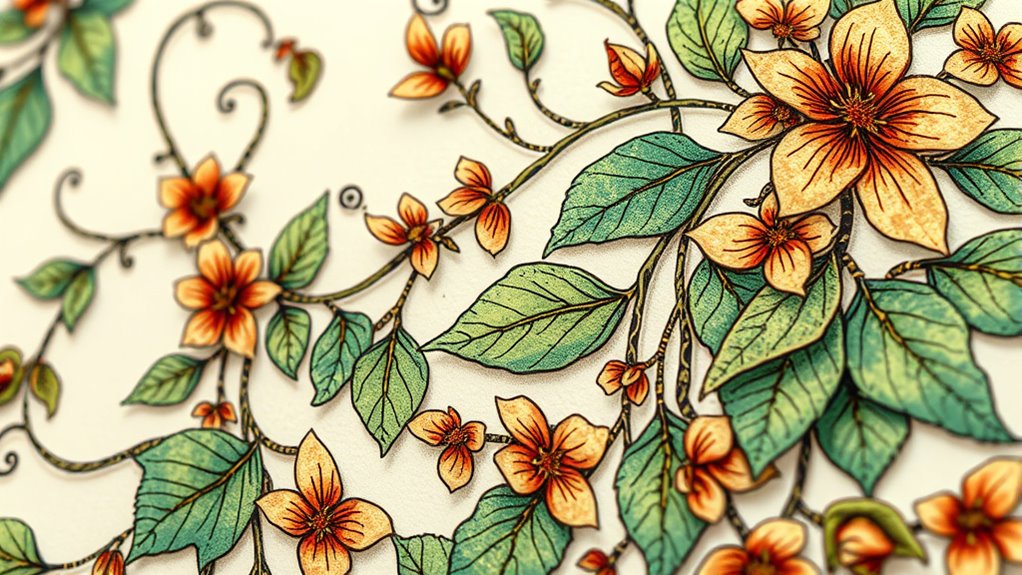
Botanical and organic motifs have become essential elements in illustration, adding a natural and timeless appeal to various design styles. When you incorporate these motifs, you tap into a rich visual language that resonates deeply with viewers. Flowers, in particular, carry powerful symbolism that can evoke emotions, convey messages, or enhance a visual narrative. For example, roses often symbolize love and passion, while lilies might represent purity or renewal. As you select and utilize floral elements, understanding their symbolic meanings allows you to imbue your work with layers of significance, creating illustrations that are not only beautiful but also meaningful.
In addition to flower symbolism, natural color palettes play a *vital* role in bringing these motifs to life. You’ll find that earthy tones like greens, browns, and muted yellows evoke a sense of grounding and authenticity. Soft pastels can add a delicate, romantic touch, while vibrant hues energize the composition and draw attention. When you choose your colors thoughtfully, you create a harmonious visual experience that reinforces the organic theme. These palettes help your illustrations feel fresh and connected to nature, emphasizing the beauty found in simplicity and natural forms.
Using botanical motifs in your illustrations allows you to explore various styles—from minimal line work to intricate, detailed renderings. You might opt for a clean, modern look by highlighting the essential shapes of leaves and flowers, or you could embrace a more elaborate approach with detailed textures and shading. Whichever style you choose, the key is to stay true to the organic essence of your subject. Incorporating elements like delicate petals, twisting vines, or textured bark can add depth and realism, making your artwork immersive.
Moreover, integrating organic motifs encourages a sense of harmony and balance in your compositions. You can place floral arrangements or botanical patterns as focal points or background elements, guiding the viewer’s eye naturally through your design. When you embrace the fluidity of organic shapes, your illustrations feel more dynamic and alive. This approach aligns with current trends that favor sustainability and natural beauty, making your work resonate more profoundly with audiences seeking authenticity.
Ultimately, embracing botanical and organic motifs in your illustrations isn’t just about aesthetics; it’s about storytelling and connection. By leveraging flower symbolism and natural color palettes, you craft visuals that are both visually striking and emotionally compelling. These elements serve as a bridge between art and nature, allowing you to create work that feels timeless, meaningful, and deeply rooted in the natural world.
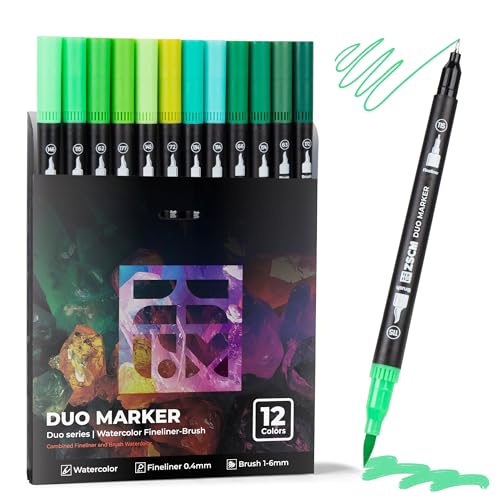
ZSCM Green Duo Tip Marker Pens, 12 Pack Fine & Brush Markers for Adult Coloring Books No Bleeding, Nature Green Markers for Foliage, Landscape Drawings, Botanical Illustrations and Eco Designs
Nature Green Markers for Lush Landscapes & Botanical Art: Want to bring vibrant flora to life? ZSCM offers…
As an affiliate, we earn on qualifying purchases.
As an affiliate, we earn on qualifying purchases.
Frequently Asked Questions
How Do Botanical Motifs Influence Modern Interior Design Trends?
You’ll find botanical motifs shaping modern interior design through the use of indoor greenery and natural color palettes. These elements bring a fresh, calming vibe to your space, making it feel more connected to nature. Incorporating leafy patterns and earthy tones creates a harmonious environment. You can easily blend botanical motifs into your decor with potted plants, botanical prints, or nature-inspired accents, transforming your interior into a soothing, stylish retreat.
What Are the Most Common Organic Motifs Used in Fashion Illustration?
You’ll be amazed at how leaf patterns and floral embroidery dominate fashion illustration, making garments burst with life. These organic motifs aren’t just decorations—they’re the heartbeat of modern style, transforming simple fabrics into vibrant stories. Leaf patterns add a whisper of nature’s mystery, while floral embroidery injects elegance and femininity. Embrace these motifs, and you’ll see how they elevate your designs from ordinary to extraordinary, capturing the essence of nature’s beauty.
How Can Artists Incorporate Sustainability Into Botanical-Themed Artwork?
You can incorporate sustainability into botanical-themed artwork by choosing eco-friendly materials like recycled paper and sustainable inks. Use sustainable ink to add vibrant colors while reducing environmental impact. Opt for natural dyes and plant-based pigments whenever possible. By prioritizing eco-friendly materials and processes, you create artwork that celebrates nature responsibly, encouraging viewers to appreciate and protect the environment through your botanical illustrations.
Are There Cultural Differences in the Use of Organic Motifs in Art?
Like the shifting sands of cultural symbolism, the use of organic motifs varies across traditions. You’ll notice that traditional patterns in Asian art emphasize flowing, harmonious lines, while Western art often highlights individualistic flora. These differences reflect cultural values and histories, shaping how artists incorporate organic motifs. By understanding these nuances, you can enrich your work and create culturally resonant botanical illustrations that honor diverse artistic legacies.
What Digital Tools Are Best for Creating Detailed Botanical Illustrations?
You should try using digital tools like Adobe Illustrator with vector brushes for creating detailed botanical illustrations. These brushes allow you to craft intricate, scalable designs easily. Additionally, photo editing software like Adobe Photoshop helps refine your artwork, adding textures and depth. Combining vector brushes for structure and photo editing for detail lets you produce highly detailed, professional botanical illustrations efficiently and creatively.

PICTURE THIS PRINTS Gladiolus Birth Flower Greeting Card, August Birth Flower, Gladiolus Floral Art Birthday, Botanical Nature-Inspired Birthday, Floral Symbolism, Comes with Envelope (5×7”)
Elegant Gladiolus greeting card: Celebrate August birthdays with this beautiful Gladiolus birth flower card. Measuring 5×7” and including…
As an affiliate, we earn on qualifying purchases.
As an affiliate, we earn on qualifying purchases.
Conclusion
As you weave botanical and organic motifs into your illustrations, you’re planting seeds of nature’s timeless beauty. These elements grow like delicate vines, intertwining with your creative spirit and breathing life into your art. Embrace their fluidity and grace, allowing them to blossom into intricate stories etched with organic elegance. In doing so, you transform simple lines into a lush garden of expression, where every stroke echoes the vibrant heartbeat of the natural world.

5×5 Handy Portable Handmade Cloth Fabric Hardcover Sewing Binding Travel Watercolor Paper 140LB/300gsm 20Sheets/40Pages Journal Mixed Media Pad Sketchbook. Japanese-Style Motifs
FINEST QUALITY PAPER: This hardbound sketch journal is made with premium quality highly durable paper, having a 140LB/300gsm…
As an affiliate, we earn on qualifying purchases.
As an affiliate, we earn on qualifying purchases.

KALOUR 72 Count Colored Pencils for Adult Coloring Books, Soft Core,Ideal for Drawing Blending Shading,Color Pencils Set Gift for Adults Kids Beginners
【Color Pencil Set】: 72 pack vibrant color pencils.
As an affiliate, we earn on qualifying purchases.
As an affiliate, we earn on qualifying purchases.