
TL;DR
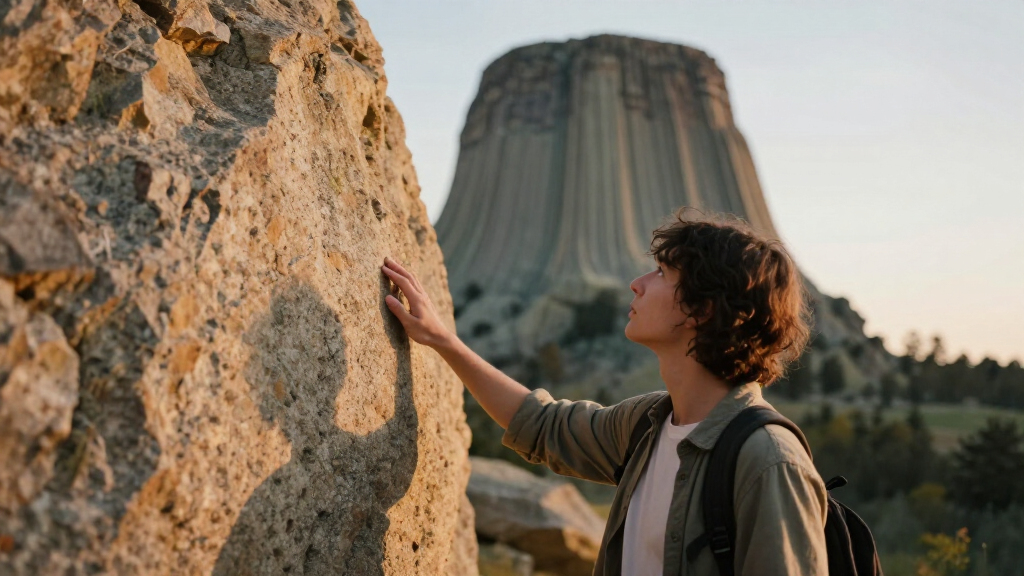
Zac Henderson has released a series of bold black-and-white photographs featuring Devil’s Tower. The images aim to honor the monument’s cultural importance and natural majesty. The project has garnered attention from art and cultural communities.
Photographer Zac Henderson has released a series of bold black-and-white photographs depicting Devil’s Tower, aiming to honor its cultural importance and natural grandeur. The images have attracted attention from art enthusiasts and cultural advocates, highlighting the monument’s significance in Native American history and American landscape photography.

Get art and craft supplies delivered free with Prime
- Fast, free delivery on millions of items
- Prime Video, Amazon Music and more included
- Member-only deals all year
Cultural and Artistic Impact of Henderson’s Black-and-White Photos
This series underscores the importance of visual art in fostering cultural awareness and respect for sacred sites like Devil’s Tower. Henderson’s choice of black-and-white imagery aims to evoke a timeless, reverent tone, encouraging viewers to reflect on the site’s spiritual and historical significance. The project also highlights how contemporary artists can contribute to conversations about cultural preservation and national identity through their work. For Native communities, the respectful portrayal helps reinforce the monument’s sacred status and promotes broader recognition of indigenous perspectives in national narratives.Popular right now

KitchenAid Classic Series 4.5-Quart Tilt-Head Stand Mixer, Onyx Black

Sony WH-1000XM6 Wireless Noise-Canceling Headphones, Black

Vitamix Nano Personal Blender with SmoothiePilot Technology, Black
As an affiliate, we earn on qualifying purchases.
Devil’s Tower’s Cultural and Historical Significance
Devil’s Tower, located in northeastern Wyoming, is a prominent geological formation that gained national recognition as the first national monument designated by President Theodore Roosevelt in 1906. It holds deep spiritual meaning for many Native American tribes, including the Lakota, Cheyenne, and Kiowa, who consider it a sacred site. The monument has also become a symbol of American landscape photography, notably popularized by early explorers and modern artists. Recent years have seen increased efforts to honor its indigenous significance, alongside ongoing debates about land use and preservation. Henderson’s photographic project aligns with a broader movement to recognize and respect Native cultural ties to the site.“My goal was to create images that honor the spiritual and natural majesty of Devil’s Tower, using the stark beauty of black-and-white to evoke reverence.”
— Zac Henderson
Unconfirmed Details About Henderson’s Artistic Intent and Reception
It is not yet clear how Henderson’s series will influence public perceptions of Devil’s Tower long-term or how Native communities will further engage with the project. While initial reactions are positive, broader cultural and political implications remain to be seen, and Henderson has not disclosed detailed plans for future exhibitions or collaborations.Next Steps for the Artistic and Cultural Reception of the Series
Henderson plans to expand the series with additional images and potentially collaborate with Native artists and cultural groups. An upcoming exhibition at a regional gallery is scheduled for later this year, where the photographs will be displayed alongside Native narratives about the site. Further discussions about the role of art in cultural preservation are expected to follow, alongside ongoing debates about the monument’s management and recognition.Key Questions
Why did Zac Henderson choose black-and-white photography for this series?
Henderson aimed to evoke a timeless, reverent tone that emphasizes the monument’s natural and spiritual significance, using high-contrast black-and-white imagery to create emotional depth.
How have Native American communities responded to the photographs?
Many Native groups, including the Lakota and Cheyenne, have expressed appreciation for the respectful portrayal, viewing it as a positive contribution to honoring the site’s sacred status.
Will Henderson’s series be exhibited publicly or published widely?
Yes, Henderson plans to showcase the series in upcoming exhibitions, including a scheduled display at a regional gallery later this year, and may pursue further publication or collaboration opportunities.
Does this project influence ongoing debates about Devil’s Tower’s cultural recognition?
While the series has sparked positive reactions, its influence on broader cultural and political discussions remains uncertain. It adds to the ongoing conversation about respecting indigenous perspectives and preserving national landmarks.
Source: rss