
TL;DR

Get art and craft supplies delivered free with Prime
- Fast, free delivery on millions of items
- Prime Video, Amazon Music and more included
- Member-only deals all year
Five tenured MIT faculty members began decorating campus security cameras in August to draw attention to a university plan to spend more than $3 million on over 500 new cameras. MIT says the equipment is intended to fill gaps in existing coverage; faculty say the decorations are a protest and do not interfere with camera function. The extent to which the cameras will use AI, and how MIT will address faculty concerns, remain unclear.
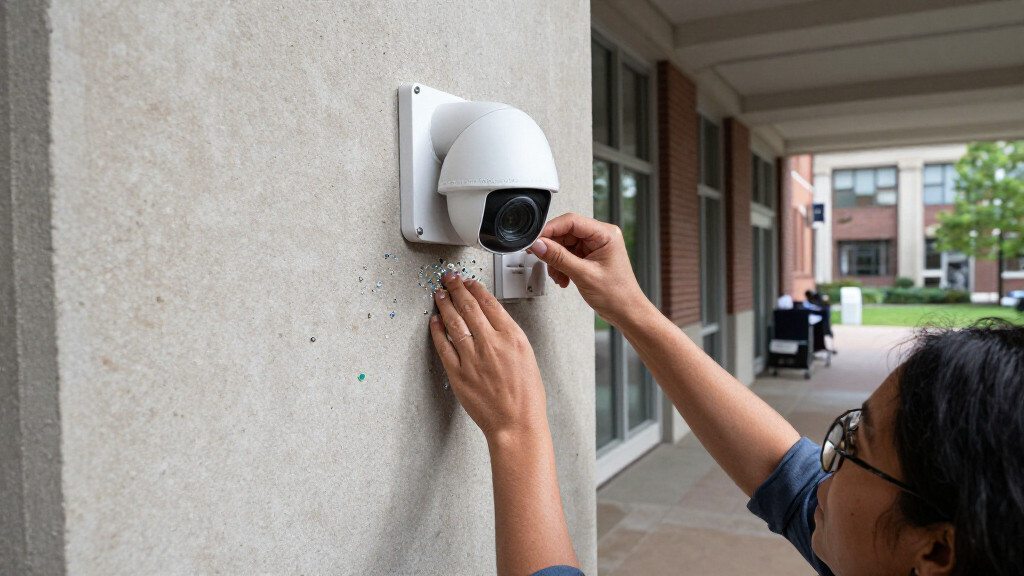
Five tenured MIT faculty members have been decorating campus security cameras with googly eyes, rhinestones and other ornaments to protest a university plan to spend more than $3 million on over 500 cameras, according to Hyperallergic. The faculty say the devices’ AI capabilities raise concerns about surveillance, while MIT says the cameras are intended to close gaps in existing security coverage.
Faculty members Catherine D’Ignazio, Marah Gubar, Tanalís Padilla, Dwai Banerjee and Karrie Karahalios began the project in August, four months after MIT’s student newspaper, The Tech, reported the planned camera investment. The cameras are expected to be installed from 2025 to 2026 in exterior locations, academic facilities and other high-traffic areas, according to the report.
The cameras can be activated to identify faces and objects using AI, Hyperallergic reported. The faculty say their decorations are intended to remind people that they are being watched, not to disable the equipment. D’Ignazio told Hyperallergic that participants use small buckets of gems and tinsel to create figures with googly eyes. The group has held seven decorating sessions, with students, faculty and staff joining in, the report said.
MIT told Hyperallergic that the cameras are “intended to close gaps in MIT’s existing security camera coverage.” The university also formed a faculty advisory committee to consider whether the cameras should use AI, according to the report. D’Ignazio said some eligible faculty members were not allowed to participate; MIT’s explanation for committee eligibility was not included in the source material.
A Campus Debate Over AI Monitoring
The decorations turn an infrastructure decision into a visible campus debate about security, privacy and the use of AI. MIT says the cameras address gaps in coverage, while the faculty’s protest questions whether more monitoring—particularly systems capable of identifying faces and objects—will make people feel safer or expose them to additional scrutiny.
The concern is not limited to the technology itself. Gubar told Hyperallergic that students and staff may be reluctant to speak publicly or give their names because they fear retaliation. That concern speaks to who can challenge surveillance openly: tenured faculty may face different risks from students or staff, she said. The source does not establish that MIT has used these cameras to identify protesters or take disciplinary action.
As an affiliate, we earn on qualifying purchases.
How the Camera Plan Took Shape
The campaign followed The Tech’s report that MIT planned to buy more than 500 cameras for 2025–2026 at a cost exceeding $3 million. Hyperallergic reported that the devices are positioned for use across campus, including exterior and academic spaces, and have AI features that can be activated for face and object identification. The available reporting does not specify how often those features will be used or what safeguards would govern them.
The faculty drew inspiration from artist and MIT alumnus Jill Magid, who decorated CCTV cameras at Amsterdam’s police headquarters in 2002. Magid told Hyperallergic she wanted to question the visible and invisible aspects of surveillance. Her project used rhinestones and satirical security-company materials; the MIT faculty also distributed copies of her posters. The comparison provides an artistic precedent, but the current campaign is a separate protest concerning MIT’s own camera investment.
““Many of us would not feel safer with cameras on all around us, especially not ones with AI.””
— Marah Gubar, to Hyperallergic
outdoor surveillance cameras with facial recognition
As an affiliate, we earn on qualifying purchases.
As an affiliate, we earn on qualifying purchases.
AI Use and Campus Safeguards
The reporting does not say whether MIT has decided to activate face- or object-identification features, how long footage will be kept, who may access it, or what review and oversight rules will apply. It also does not give a final count of cameras purchased or installed, beyond the reported plan for more than 500 devices over 2025–2026.
The faculty’s account of who could take part in the advisory committee is attributed to D’Ignazio and the source’s reporting; the university’s detailed response on that dispute is not provided. It is also unclear whether MIT plans to change its camera policy in response to the protest. Hyperallergic reported that campus police generally removed the decorations after sessions, but did not describe a formal university decision about the campaign.
As an affiliate, we earn on qualifying purchases.
Further Sessions and University Response
The faculty campaign had held seven decoration sessions at the time of Hyperallergic’s report, with participants from across the MIT community. The source does not provide a schedule for future sessions or say whether MIT plans further consultation on AI use. The next developments to watch are the installation timeline, any decision about enabling identification features, and publication of rules governing access to and use of camera data.
MIT has stated that the project is meant to address gaps in coverage, while the faculty are seeking broader attention to surveillance and participation in decisions about it. Whether the university will respond with additional information or policy changes remains unknown.
As an affiliate, we earn on qualifying purchases.
Key Questions
Who is decorating MIT’s security cameras?
Five tenured faculty members are leading the effort: Catherine D’Ignazio, Marah Gubar, Tanalís Padilla, Dwai Banerjee and Karrie Karahalios. Hyperallergic reported that students, faculty and staff have also joined sessions.
Why are they adding decorations?
The faculty say the ornaments are a visible protest against campus surveillance and a reminder that people are being watched. They say the decorations do not interfere with the cameras’ operation.
What is MIT’s camera plan?
MIT plans to spend more than $3 million on over 500 cameras from 2025 to 2026, according to reporting by The Tech cited by Hyperallergic. MIT said the equipment is intended to close gaps in existing security-camera coverage.
Will the cameras use facial recognition?
The reported cameras can be activated to identify faces and objects with AI, but the available source does not establish whether or when MIT will activate those features, or what policies would govern their use.
Source: rss
Halloween Picks
halloween
As an affiliate, we earn on qualifying purchases.