
TL;DR

Get art and craft supplies delivered free with Prime
- Fast, free delivery on millions of items
- Prime Video, Amazon Music and more included
- Member-only deals all year
The Smithsonian has removed artworks by surrealist painter René Magritte and landscape artist John Constable amid internal conflicts. The move has caused public debate over museum management and cultural preservation.
Smithsonian officials have officially removed artworks by René Magritte and John Constable from display, citing internal disagreements and policy disagreements. The move has sparked widespread debate about museum governance, cultural preservation, and the handling of controversial art collections.
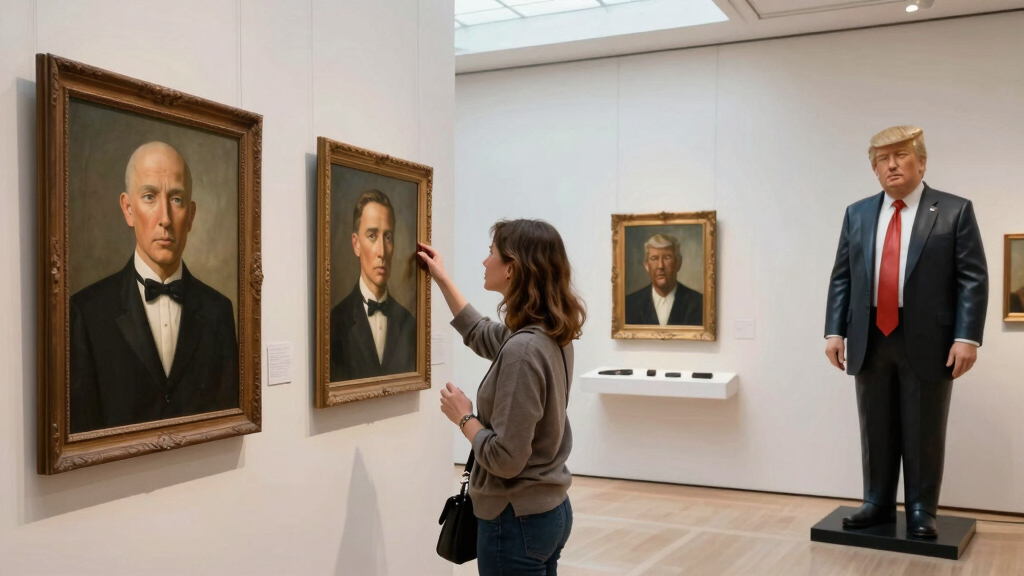
Sources confirm that the Smithsonian Institution removed the works of Magritte and Constable from its galleries earlier this week. The decision reportedly stems from internal conflicts among curatorial staff over the handling and display of certain artworks, especially those with sensitive or politically charged themes. The artworks, which include Magritte’s surrealist pieces and Constable’s landscape paintings, are now stored away from public view, pending further review. Smithsonian officials have not issued detailed public statements but confirmed the removal in response to media inquiries. The controversy has intensified as critics and artists have voiced concerns about censorship and the preservation of artistic heritage during this process.Implications for Cultural Heritage and Museum Policies
This development raises questions about museum autonomy and the potential for political or internal pressures to influence art curation and display decisions. The removal of Magritte and Constable’s works, both iconic figures in art history, underscores ongoing debates over artistic freedom and censorship. For the public and the art community, this incident highlights the fragile balance between institutional governance and preservation of cultural assets. The controversy could impact public trust in museums and influence future policies on handling sensitive or disputed artworks.As an affiliate, we earn on qualifying purchases.
Background on the Smithsonian’s Art Collection and Recent Disputes
The Smithsonian Institution, one of the world’s largest museum complexes, has long curated a diverse collection of artworks, including pieces by Magritte and Constable. Recent internal disagreements reportedly arose over the display of certain works related to political themes and their appropriateness for public exhibition. Previous controversies included debates over artworks with controversial symbolism or political messages. The current removal follows a series of internal reviews prompted by staff concerns and external pressures, though specific details remain undisclosed. Historically, the Smithsonian has faced challenges balancing artistic expression with institutional values, but this incident marks a significant escalation in internal conflicts over collection management.“We are currently reviewing our collection policies and have temporarily removed certain artworks pending further assessment.”
— Smithsonian spokesperson
As an affiliate, we earn on qualifying purchases.
Unresolved Questions About the Scope and Future of the Collection
It is not yet clear whether the removal is temporary or permanent, nor which other artworks might be affected. The specific reasons for internal disagreements and the criteria used for removal remain undisclosed. Details about the internal review process and whether external pressures influenced the decision are still emerging. The Smithsonian has not confirmed if similar actions will be taken regarding other pieces in its collection.As an affiliate, we earn on qualifying purchases.
Next Steps in the Smithsonian’s Art Collection Review
The Smithsonian has announced it will conduct a comprehensive review of its collection policies and internal procedures. Stakeholders, including artists, curators, and public officials, are expected to participate in discussions over the handling of controversial artworks. The institution has indicated that it will update the public on the outcome of the review and any future decisions regarding the affected pieces. Art and cultural advocacy groups are calling for transparency and safeguards to prevent censorship while respecting institutional values.
As an affiliate, we earn on qualifying purchases.
Key Questions
Why were Magritte and Constable’s artworks removed?
Smithsonian officials cited internal disagreements over the handling and display of these artworks, but specific reasons have not been publicly detailed.
Are the artworks permanently removed?
The Smithsonian has not confirmed whether the removal is temporary or permanent; further updates are expected after the review process.
Could this affect other artworks in the collection?
It remains unclear if additional pieces will be affected, though the institution has indicated a broader review of collection policies is underway.
What has been the reaction from the art community?
Many critics and artists have expressed concern over potential censorship and the impact on artistic freedom, emphasizing the importance of transparency.
Source: rss
Halloween Picks
halloween
As an affiliate, we earn on qualifying purchases.