
TL;DR

Get art and craft supplies delivered free with Prime
- Fast, free delivery on millions of items
- Prime Video, Amazon Music and more included
- Member-only deals all year
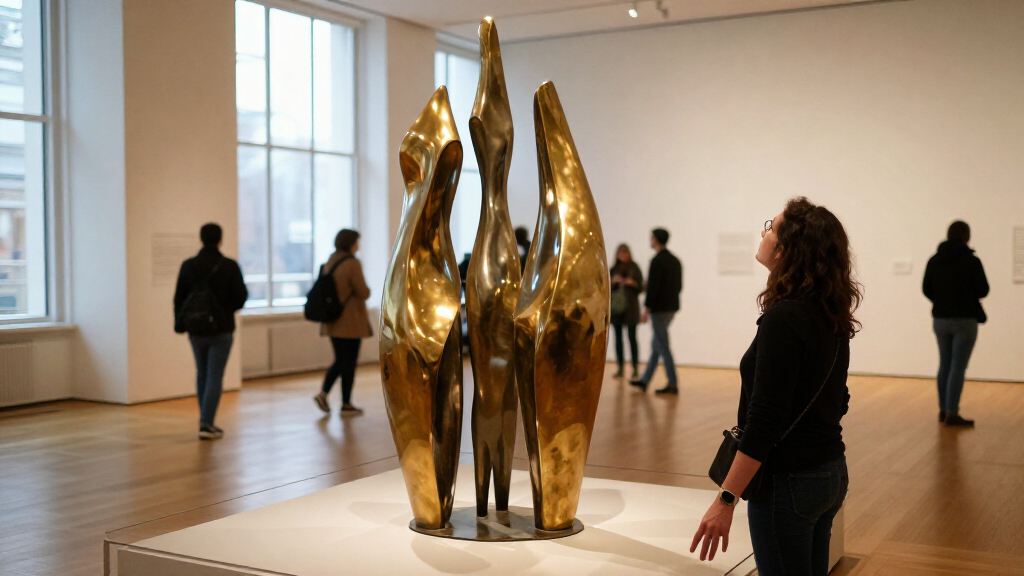
A Hyperallergic review of MoMA’s “Brancusi: The Artist and His Studio” discusses the exhibition’s presentation of Constantin Brancusi’s work and studio, and raises concerns about the installation’s use of space and crowd management. The show includes drawings, photographs, films, tools and personal records alongside sculpture. The supplied report includes no response from MoMA.
A Hyperallergic review of the Museum of Modern Art’s “Brancusi: The Artist and His Studio” discusses the exhibition’s presentation of Constantin Brancusi’s work and creative life, and raises concerns about space and crowd management. The review addresses the exhibition’s focus on Brancusi’s studio as well as its installation.
The review says the exhibition presents Brancusi’s atelier as a place of creation, display and sociability, bringing together his art and materials related to his working life. The reviewer cites drawings, photographs, films and tools, as well as some of the record albums he owned.
The reviewer describes Brancusi’s art as “glorious” and says the exhibition addresses its continuing resonance with contemporary sculptors. The report refers to interviews in which artists including Rodney McMillian and Martin Puryear have mentioned Brancusi. It does not provide further details about those interviews or statements from the artists.
The review’s criticism concerns the exhibition’s staging. It identifies possible problems with space, elegance and crowd mitigation, but the supplied material does not specify particular rooms, visitor numbers or installation choices. The review discusses the exhibition’s subject and works alongside its concerns about the presentation.
The Review’s Concerns About the Installation
The review questions whether the exhibition’s arrangement allows visitors to see the objects and their relationships clearly. In a show that presents the atelier as both a workplace and a place of display, space and circulation contribute to the visitor experience. The reviewer says the presentation may affect how visitors encounter the work.
The exhibition includes photographs, films, tools and personal objects alongside sculpture, presenting Brancusi’s practice through the environment around it as well as through finished works. The review describes this approach and also raises concerns about the physical presentation.
The source does not establish that the exhibition is objectively overcrowded or that visitor access has been restricted. The concerns appear as the reviewer’s assessment of a space or crowd-mitigation problem, rather than as reported findings about attendance or museum operations.
Popular right now

Dyson V8 Cyclone Cordless Vacuum

Ninja CM401 Specialty Coffee Maker with 10-Cup Carafe and Fold-Away Frother

KitchenAid 5.5-Qt Bowl-Lift Stand Mixer, Porcelain White (KSM55SXXX)
As an affiliate, we earn on qualifying purchases.
Brancusi and His Atelier at MoMA
“Brancusi: The Artist and His Studio” places the artist’s atelier at the center of its account. The review says the exhibition includes sculpture alongside drawings, photographs, films and tools, materials related to how work was made and documented. Record albums and references to dinners at the studio also feature in the review’s description of Brancusi’s social life.
The reviewer situates the exhibition within a fall 2026 season in which New York’s three major museums have devoted exhibitions to Brancusi, Roy Lichtenstein and Jackson Pollock. The supplied article comments on the continued prominence of canonical male artists and makes an explicit exception for Brancusi’s show. This is the reviewer’s perspective and does not establish that the museums’ exhibitions share the same approach or reception.
The report also connects Brancusi’s continuing relevance to contemporary sculpture, naming McMillian and Puryear among artists who have discussed him in interviews. The reviewer cites these references in discussing Brancusi’s relevance to contemporary practice.
““The work of this particular canonical dead White man is glorious, and continues to resonate with contemporary artists.””
— Hyperallergic reviewer
What the Review Does Not Specify
The supplied report does not identify which rooms or installation decisions prompted the concern about space, elegance or crowd mitigation. It also provides no attendance figures, visitor surveys, accessibility information or detailed account of congestion. The criticism is the reviewer’s assessment, not a documented measurement of crowding.
No response from MoMA is included in the source material, and the review excerpt does not say whether the museum plans to change the installation. The supplied text also does not establish how long the exhibition will run or whether adjustments have been made since the review was published.
Further Information on the Installation
Readers can consult the full review and MoMA’s exhibition information for further details about the show and its presentation. The supplied report does not announce a planned museum response or an installation change. Whether MoMA will address the reviewer’s concerns remains unknown.
The supplied report does not provide further information about visitor conditions or changes to the installation. Such claims would require additional information from the museum or reporting.
Key Questions
What is the main criticism of MoMA’s Brancusi exhibition?
The Hyperallergic reviewer raises concerns about a possible space, elegance or crowd-management problem. The supplied excerpt does not describe specific rooms or visitor conditions.
What does “Brancusi: The Artist and His Studio” include?
According to the review, the exhibition includes Brancusi’s work alongside drawings, photographs, films, tools and some of his record albums, presenting his atelier as more than a place where sculpture was made.
Does the review dismiss Brancusi’s work?
No. The reviewer calls the work “glorious” and says it continues to resonate with contemporary artists. The criticism is directed at the exhibition’s presentation, not the value of the art.
Has MoMA said it will change the installation?
No museum response or planned change appears in the supplied report. Whether MoMA will address the reviewer’s concerns is not established.
Source: hyperallergic.com