TL;DR
This buyer’s guide compares eight drawing tablet listings across three setups: a pen display connected to a computer, a screenless tablet used with a separate display, and a standalone device. The source names the HUION Kamvas 13 (Gen 3) as its overall pick, but leaves some product details and the distinction between two XP-Pen listings unclear.
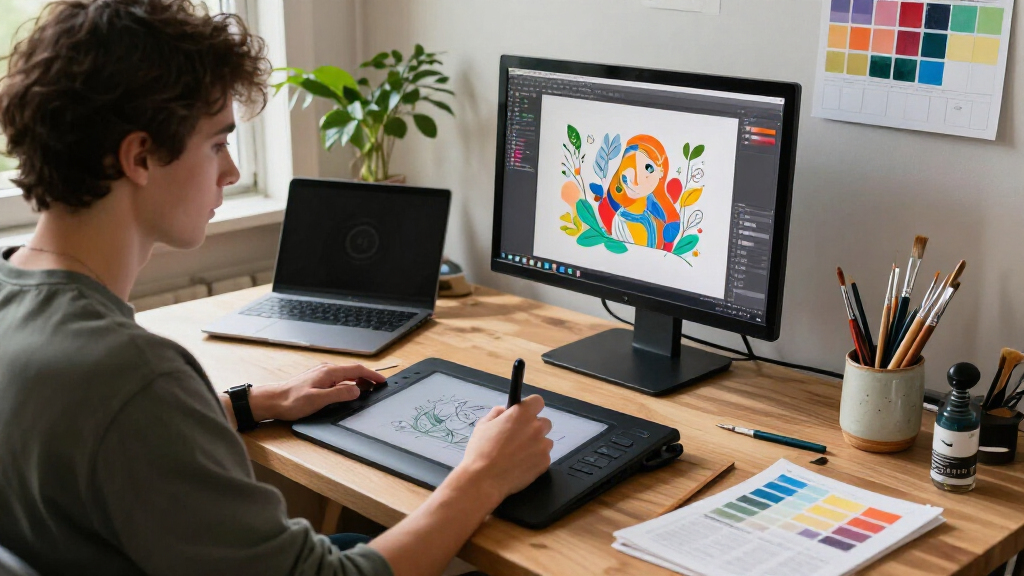
A buyer’s guide to eight drawing tablet listings recommends the HUION Kamvas 13 (Gen 3) as its overall pen display pick and compares it with screenless and standalone devices. The guide frames its advice around how artists work: drawing on a connected display, using a tablet while looking at a computer monitor, or choosing a device intended to work on its own.

Get art and craft supplies delivered free with Prime
- Fast, free delivery on millions of items
- Prime Video, Amazon Music and more included
- Member-only deals all year
The guide favors the Kamvas 13 (Gen 3) for artists seeking a screen, dial controls and room to develop their workflow. Its product entry lists a 13.3-inch display, fully laminated Canvas Glass 2.0 and 16,384 pressure levels. The guide says the tablet needs a compatible computer or Android device, so it is not a standalone option.
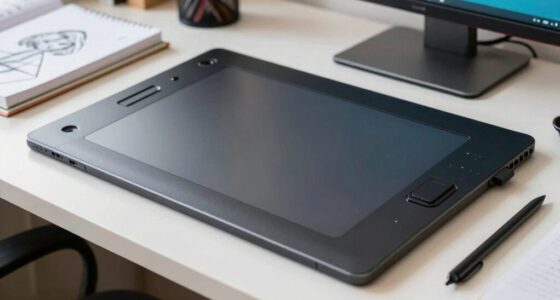
For screenless drawing, the guide lists the HUION Inspiroy H1060P with a 10 × 6.25-inch work area and programmable controls, and the compact H640P with a 6 × 4-inch active area and a stated weight of 0.61 pounds. It also lists the Wacom Intuos Small, describing its pen as battery-free and its connection as wired USB-A. These product details come from the guide; it says the models rely on a separate screen for viewing artwork.
The guide includes two entries for the XP-Pen Artist 13.3 Pro V2. One emphasizes tilt support; the other highlights color coverage and a laminated display. The source says the entries appear closely related and advises checking exact model details and included accessories. It also names the standalone Frunsi RubensTab T11 Pro and PicassoTab A10, while the supplied PicassoTab entry is incomplete.
Choose your drawing setup before you choose a tablet
This guide compares eight listings across pen displays, screenless tablets and standalone devices. Its overall pick, the HUION Kamvas 13 (Gen 3), needs a compatible computer or Android device.
Three ways to draw
Your setup determines what you look at while drawing and whether you need another device.
Draw on the screen
The Kamvas 13 (Gen 3) adds a display and dial controls, but requires a compatible connected device.
Look at a separate display
The Inspiroy H1060P, H640P and Wacom Intuos Small pair with a computer screen.
Work on the device
The Frunsi RubensTab T11 Pro and PicassoTab A10 are listed as standalone options; app support depends on the model.
Match the tablet to your workspace
The guide lists different working areas and portability details for screenless models.
| Model | Listed detail | Setup |
|---|---|---|
| HUION Inspiroy H1060P | 10 × 6.25-inch work area | Separate display |
| HUION Inspiroy H640P | 6 × 4-inch active area; 0.61 pounds | Separate display |
| Wacom Intuos Small | Battery-free pen; wired USB-A | Separate display |
Check the listing details
The source leaves important comparisons unresolved.
Two XP-Pen Artist 13.3 Pro V2 entries have different descriptions, and the guide does not clarify whether they are separate configurations.
Verify connection requirements, included accessories and supported software, especially for standalone devices.
The excerpt gives no prices, availability or consistent performance testing, and does not confirm these are new 2027 models.
Choosing the Right Drawing Setup
The guide’s main buying distinction is whether an artist wants to draw directly on a screen, use a separate computer display, or work on a standalone device. Each setup changes the equipment needed and how the artist sees the image while drawing. A pen display may feel more direct, but the guide says its recommended Kamvas requires a compatible connected device.
The guide also points to workspace and mobility as considerations. A larger active area may suit broad gestures and desktop work, while a small tablet can take up less room and be easier to carry. It notes that standalone models remove the computer connection for supported tasks, though Android software may not offer the same options as desktop illustration programs.
Popular right now

Apple AirPods Pro with Wireless Charging Case

LG 55-Inch QNED73B Mini LED 4K Smart TV (2026)

KitchenAid 5.5-Qt Bowl-Lift Stand Mixer, Porcelain White
As an affiliate, we earn on qualifying purchases.
Three Ways to Draw Digitally
The guide organizes its listings by workflow. It describes pen displays as showing artwork beneath the stylus while typically connecting to another device; screenless pen tablets send input to a computer while the artist watches a separate monitor; and standalone tablets combine the drawing surface and computing device, with software and compatibility depending on the model.
The guide’s comparison gives stated measurements and features such as active area, display size, pressure levels, tilt support and shortcut controls. It does not describe a consistent test of performance across all eight listings. The source also identifies itself as AI-assisted and discloses that it may earn affiliate commissions on qualifying purchases.
Model Details Still Need Checking
The guide does not give a publication date or establish that the products were released or updated for 2027. It presents two XP-Pen Artist 13.3 Pro V2 entries with different stated specifications and descriptions, without explaining whether they represent different configurations or duplicated coverage. The source advises buyers to verify the exact model and current listing before relying on those figures.
The supplied source excerpt ends partway through the PicassoTab A10 description and does not provide a full account of all eight products. It includes no prices, availability, independent test results or detailed software compatibility list for each device. Those points are not established by the material provided.
Check Listings Before Buying
Consistent with the guide’s advice, compare the exact model number, included pen and accessories, connection requirements, active area and supported software on the seller’s current listing. Artists considering a standalone device should check whether their preferred apps run on its operating system. The guide does not report prices or availability, which may change.
Key Questions
Which tablet does the guide recommend overall?
The guide names the HUION Kamvas 13 (Gen 3) as its overall pick for artists seeking a connected pen display with dial controls. It says the device requires a compatible computer or Android device.
Which listed tablets work without a built-in screen?
The guide identifies the HUION Inspiroy H1060P, HUION Inspiroy H640P and Wacom Intuos Small as screenless tablets used with a separate computer display.
Does the guide establish that these are new 2027 models?
No. The guide’s title frames it for 2027, but the supplied material gives no publication date or release timeline confirming that the products are new for that year.
Why are there two XP-Pen Artist 13.3 Pro V2 entries?
The guide says the entries appear to describe closely related tablets but does not explain whether they are separate configurations. It advises checking the exact listing and specifications before comparing them.
Source: Thorsten Meyer AI