TL;DR
The Amsterdam Museum is celebrating its 100th anniversary, marking a century of safeguarding the city’s history. The event underscores the museum’s importance as a cultural and historical anchor for Amsterdam.
The Amsterdam Museum is celebrating its 100th anniversary this year, marking a century of serving as the city’s primary institution for preserving and showcasing Amsterdam’s history and cultural identity. The milestone underscores the museum’s longstanding role as a repository of the city’s collective memory, making it a key cultural landmark for residents and visitors alike.
The museum was established in 1923 and has since grown into a central institution that documents Amsterdam’s evolution from a medieval trading hub to a modern metropolis. Over the past century, it has curated extensive collections of artifacts, photographs, and documents that reflect the city’s social, economic, and cultural development.
In celebration of its centennial, the museum has organized a series of exhibitions, events, and educational programs aimed at engaging the public with Amsterdam’s rich history. These include special displays on key historical periods, interactive digital archives, and community-led initiatives designed to foster local pride and historical awareness.
The museum’s directors and city officials have emphasized the importance of its role in maintaining the city’s identity amid rapid urban change. The anniversary has also prompted reflections on the museum’s future directions, including digital expansion and increased accessibility for diverse audiences.
Why the 100-Year Milestone Matters for Amsterdam’s Cultural Identity
The 100th anniversary of the Amsterdam Museum highlights its vital role in preserving the city’s history during a period of rapid change and globalization. As a custodian of collective memory, the museum helps residents and visitors understand Amsterdam’s unique cultural evolution and social fabric. This milestone reinforces the importance of maintaining historical institutions that anchor a city’s identity amid ongoing urban development and demographic shifts.
Furthermore, the celebration underscores the museum’s influence in shaping public understanding of Amsterdam’s past, which informs contemporary debates about urban planning, heritage preservation, and cultural diversity. The anniversary serves as a reminder of the museum’s ongoing responsibility to adapt and remain relevant in a changing city landscape.
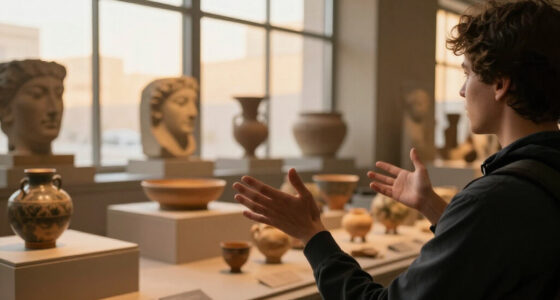
Amsterdam Museum replica artifacts
As an affiliate, we earn on qualifying purchases.
As an affiliate, we earn on qualifying purchases.
Historical Foundations and Recent Developments of the Amsterdam Museum
The Amsterdam Museum was founded in 1923, originally housed in a historic building in the city center. Its founding aimed to collect, preserve, and display artifacts related to Amsterdam’s history, serving as a resource for scholars, students, and the public. Over the decades, the museum expanded its collections and modernized its facilities, including the integration of digital archives and interactive exhibits.
In recent years, the museum has increasingly focused on engaging diverse audiences through community projects and digital initiatives. The city’s ongoing urban development and demographic changes have prompted the museum to evolve its programming to reflect contemporary societal shifts. The centennial celebration is therefore both a reflection on its storied past and a platform for future innovation.
While the core mission has remained consistent, the museum’s leadership has emphasized the importance of digital accessibility and community involvement, especially in light of recent global shifts toward online engagement and inclusive programming.
As an affiliate, we earn on qualifying purchases.
Unconfirmed Aspects of the Centennial Celebrations and Future Plans
Details about the full scope and scale of the upcoming exhibitions and programs are still emerging. It is not yet clear how the museum plans to incorporate digital innovations or expand accessibility in the long term. Additionally, the extent of community involvement and international collaboration remains to be announced.
Furthermore, while the museum’s leadership has expressed intentions to continue evolving, specific future initiatives or strategic plans have not been publicly detailed, leaving some aspects of its next phase uncertain.
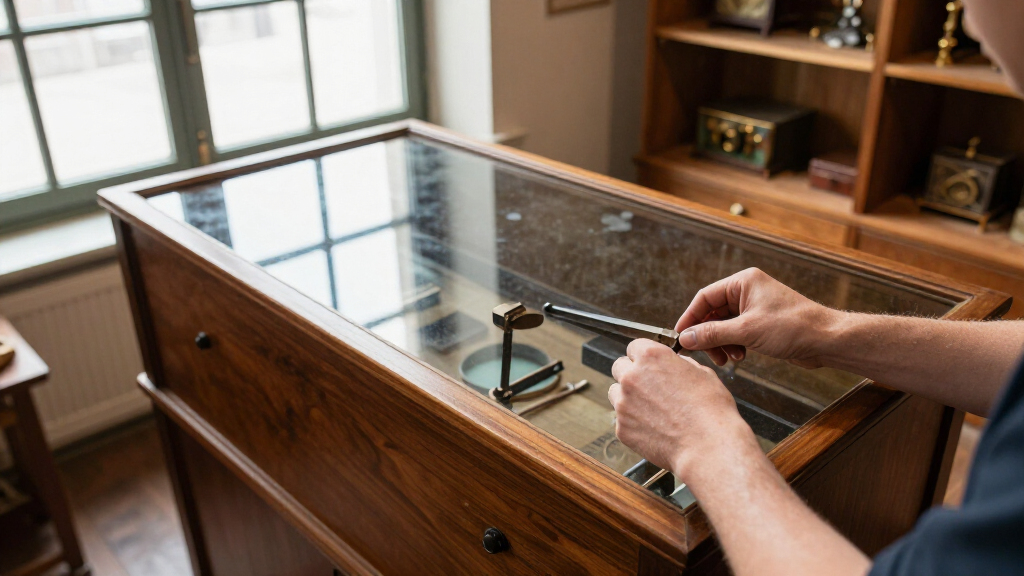
interactive digital archive device
As an affiliate, we earn on qualifying purchases.
As an affiliate, we earn on qualifying purchases.
Upcoming Events and Strategic Directions Post-Centennial
Following the centennial celebrations, the museum will likely focus on implementing new digital projects, expanding its outreach programs, and fostering collaborations with local communities and international institutions. Announcements about specific initiatives are expected in the coming months.
The museum’s leadership has indicated a commitment to ongoing innovation and public engagement, aiming to ensure the institution remains relevant and accessible in the evolving cultural landscape of Amsterdam.
As an affiliate, we earn on qualifying purchases.
Key Questions
Why is the Amsterdam Museum’s 100th anniversary significant?
The anniversary marks a century of the museum’s role in preserving and interpreting Amsterdam’s history, reinforcing its importance as a cultural and historical institution that shapes the city’s identity.
What kinds of activities are planned for the centennial celebration?
The museum has organized special exhibitions, interactive digital displays, community projects, and educational programs aimed at engaging the public with Amsterdam’s history.
How has the museum evolved over the past century?
Since its founding in 1923, the museum has expanded its collections, modernized its facilities, and increased its focus on digital engagement and community involvement.
What remains uncertain about the museum’s future initiatives?
Specific future projects, especially related to digital expansion and international collaboration, have not yet been publicly detailed, leaving some plans still in development.
How does the museum influence Amsterdam’s cultural landscape today?
It continues to serve as a key institution for cultural preservation, education, and community engagement, shaping public understanding of the city’s historical identity.
Source: local