TL;DR

Get art and craft supplies delivered free with Prime
- Fast, free delivery on millions of items
- Prime Video, Amazon Music and more included
- Member-only deals all year
This guide covers essential art supplies for students, balancing quality and affordability, plus the latest trends like eco-friendly options and digital tools. Practical tips help you pick what matters most.
Ever tried to start a sketch and felt overwhelmed by the mountain of supplies staring back at you? You’re not alone. Picking the right art supplies can turn a frustrating experience into a creative adventure. Whether you’re a parent buying for a budding artist or a student setting up your workspace, knowing what to get matters.
This guide cuts through the noise, showing you what supplies truly make a difference, how to choose quality without breaking the bank, and what the latest trends mean for your art journey. Ready to transform your art stash into a powerhouse of creativity? Let’s dive in.
Start with the basics: pencils, sketchbooks, erasers, and paints. They’re the foundation of any good art kit.
Balance quality and budget: spend more on tools you’ll use often, like brushes and pencils, to get better results.
Stay updated on trends like eco-friendly supplies and digital tools to keep your art practice fresh.
Organize your supplies in clear, accessible containers—tidiness boosts creativity and saves time.
Choose age-appropriate and non-toxic supplies, especially for younger artists or beginners.
What Are the Must-Have Art Supplies for Students?
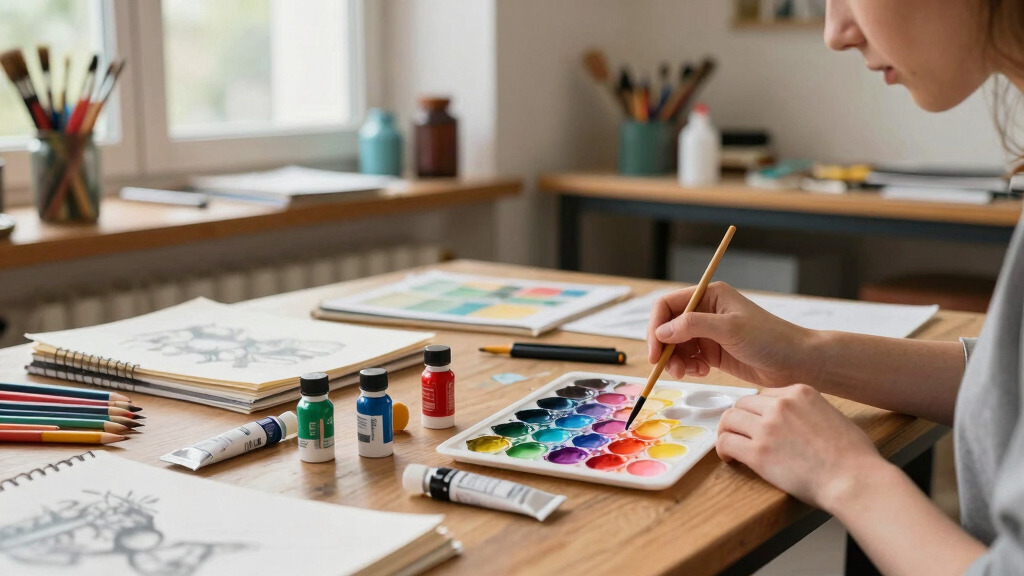
Starting with the basics makes all the difference. Think of these as your art toolkit essentials. You’ll want graphite pencils for sketching, colored pencils for vibrant accents, and a sturdy sketchbook to keep your ideas in one place.
Imagine a young artist sketching a concept for a school project. The smooth feel of the paper, the sharpness of the pencil, and the brightness of the colored pencils all come together to bring that idea to life. These supplies aren’t just tools—they’re your creative partners.
Here’s a quick list of must-haves:
- Graphite pencils (HB, 2B, 4B for shading)
- Colored pencils and crayons
- Watercolor, acrylic, or tempera paints
- Paintbrushes of various sizes
- Quality erasers (kneaded and rubber)
- Sketchbooks with different textures and sizes
- Rulers, compasses, and stencils
As an affiliate, we earn on qualifying purchases.
How to Pick Quality Art Supplies Without Spending a Fortune
Quality doesn’t have to mean expensive. The trick is balancing durability, pigment richness, and age-appropriate safety. For example, a pack of 12 Crayola colored pencils costs around $4 and offers bright, consistent color—perfect for beginners. Meanwhile, professional-grade supplies like Prismacolor can run $20+ for a set but deliver smoother blending and richer hues.
When shopping, consider this simple rule: spend more on your main tools—like brushes and pencils—and save on secondary items like erasers and sharpeners. A good-quality eraser lasts longer and erases cleaner, saving you money in the long run.
Choosing quality tools is about understanding their impact on your work. Better-quality brushes, for instance, hold their shape longer, provide more precise strokes, and allow for smoother blending—crucial for achieving professional-looking results. Conversely, cheaper tools might break easily or produce uneven color, which can hinder learning and discourage experimentation. The tradeoff is often in initial cost versus long-term performance, and investing wisely can elevate your art without draining your budget.
Here’s a quick comparison:
| Feature | Student Grade | Professional Grade |
|---|---|---|
| Price Range | $1-$10 | $20-$50+ |
| Pigment Quality | Good, but less intense | Rich, vibrant, highly blendable |
| Durability | Average | Long-lasting, resistant to breaking |
Understanding these differences helps you make informed decisions that balance your budget with your artistic ambitions. Investing a little more in key items like quality brushes and pencils can significantly improve your results and confidence, especially as you learn new techniques. Conversely, opting for cheaper options might save money upfront but could lead to frustration if supplies break or don’t perform as expected. The right balance depends on your goals—whether you’re exploring or aiming for professional results.
As an affiliate, we earn on qualifying purchases.
What Are the Latest Trends in Art Supplies for Students?
Staying current means embracing eco-friendly materials, digital tools, and multi-use supplies. For example, water-soluble colored pencils clean up with just water, cutting down on mess and waste. Brands like Faber-Castell now offer biodegradable options, perfect for environmentally conscious students.
Digital art is booming. Tablets with styluses, like the iPad or Wacom, are now common in classrooms, blending traditional skills with tech. You might sketch on paper at home but digitize your work with a simple app, then add layers of color or effects.
Here are some of the hottest trends right now:
- Eco-friendly, biodegradable supplies
- Digital drawing tablets and styluses
- Multi-functional markers and paints
- Subscription boxes with curated art kits
- Online tutorials and community challenges
digital art drawing tablet for beginners
As an affiliate, we earn on qualifying purchases.
As an affiliate, we earn on qualifying purchases.
How to Organize and Maintain Your Art Supplies
Keeping your supplies tidy isn’t just about looks—it keeps your workspace safe and speeds up your workflow. Imagine opening a drawer of tangled markers or scattered brushes—frustrating, right?
Invest in clear containers, small drawers, or portable cases. Label sections for easy access: pencils here, paints there, brushes in a dedicated cup. It’s a game-changer when you’re in the middle of a project and don’t want to waste time hunting for your favorite brush.
Remember to clean brushes after each use—dried paint ruins their shape—and store supplies in a dry, cool spot to prevent damage. Regularly reassess what you use often and donate what’s collecting dust.
Pro tip: Use a small tackle box or art caddy to keep everything portable for art on the go.
As an affiliate, we earn on qualifying purchases.
Frequently Asked Questions
What are the absolute must-have art supplies for beginners?
For beginners, start with a set of graphite pencils, a sketchbook, erasers, colored pencils, and a basic paint set. These cover the basics and let you experiment without a huge investment.How do I choose safe, non-toxic supplies for my kids?
Look for products labeled non-toxic, BPA-free, and certified by safety organizations like ASTM or EN71. Brands like Crayola and Faber-Castell are known for their safe, kid-friendly options.Are digital art tools necessary or just a bonus?
Digital tools are optional but increasingly popular—especially in schools. They offer endless possibilities and can complement traditional art, making it easier to experiment and share work online.How can I organize art supplies for easy access?
Use clear containers, labeled drawers, or portable caddies. Keep frequently used items within reach and clean brushes after each use to prolong their life and keep your workspace tidy.What trends should I watch for in art supplies?
Eco-friendly, biodegradable products, and digital tools like tablets and styluses are trending. They help you stay environmentally conscious while expanding your creative horizons.Conclusion
Great art starts with the right supplies—simple, affordable, and suited to your style. Don’t get overwhelmed by endless options; focus on what sparks your creativity. A well-stocked, organized kit makes every drawing session a joy.
So go ahead—pick your favorite supplies, get organized, and let your imagination run wild. Your best artwork might just be one brushstroke away.
Halloween Picks
halloween
As an affiliate, we earn on qualifying purchases.