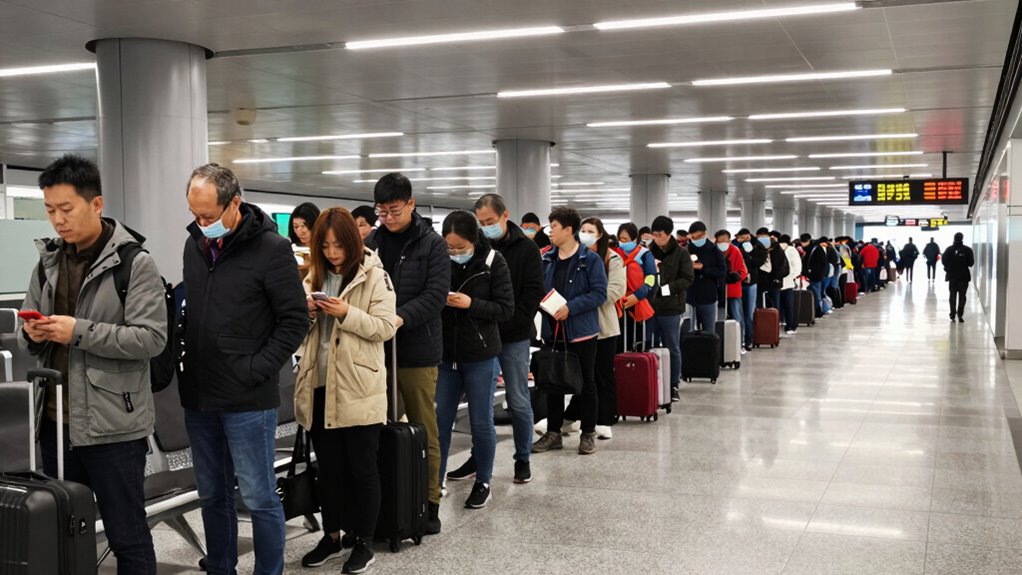

The hidden problem with waiting experiences isn’t just the actual wait time, but how you perceive it. Your emotional state, environment, and communication play huge roles in shaping that perception. When you feel anxious or rushed, delays seem longer and more frustrating. But if you’re engaged or relaxed, the wait feels shorter. By managing these perceptions, businesses can turn a negative experience into a positive one. Keep exploring to find smarter ways to improve waiting moments.

Get art and craft supplies delivered free with Prime
- Fast, free delivery on millions of items
- Prime Video, Amazon Music and more included
- Member-only deals all year
Key Takeaways
- The real issue is perceptions of wait time, not just the actual duration.
- Emotional states significantly distort how waiting is experienced and perceived.
- Focusing solely on reducing actual wait times overlooks the importance of the waiting experience.
- Poor communication and environment can make waiting feel longer and more frustrating.
- Managing expectations and enhancing perceived fairness can transform negative waiting experiences.

Waiting experiences often seem simple—just a temporary inconvenience. You might think it’s no big deal to stand in line or wait for your order to arrive. But beneath this surface, a complex issue affects both the customer and the business: customer frustration rooted in how you perceive time. When you’re waiting, your sense of how long it’s taking can distort your feelings about the entire experience. If the wait feels longer than it actually is, it can turn a minor delay into a major annoyance. Conversely, if the wait seems short or manageable, you’re more likely to stay patient and satisfied. This perception shapes your overall impression and your willingness to return or recommend the place.
Your frustration grows not just because of the wait itself, but because of how your mind interprets it. When you’re in a hurry or feeling anxious, even a few extra minutes can seem like an eternity. Your perception of time depends heavily on your emotional state. If you’re already stressed or impatient, a delay feels disproportionately longer, intensifying your dissatisfaction. On the other hand, if you’re relaxed or engaged in something enjoyable, the same wait can feel much shorter. This variability highlights the significance for businesses to manage not only the actual wait time but also your perception of it. Additionally, understanding how perceived wait time influences customer satisfaction can help businesses develop more effective strategies. Recognizing that perception of time is influenced by emotional and environmental factors is crucial for creating a positive waiting experience, especially considering that time perception is closely linked to our subconscious understanding of life’s mysteries, like clocks and life’s fleeting nature.
Perceived wait times vary with your emotional state, influencing satisfaction regardless of actual duration.
Many companies overlook this aspect, focusing solely on reducing wait times rather than improving the waiting experience. They think if they cut the line or speed up service, they’ll eliminate customer frustration. But that’s not always enough. How you experience waiting—the comfort, engagement, and perceived fairness—also plays a vital role. For example, providing clear updates, entertainment, or even just acknowledging your wait can shift your perception from frustration to patience. It’s about shaping your experience so that the time feels less burdensome, no matter how long it actually is.
By implementing these strategies, businesses can better manage customer expectations and foster a more positive environment during wait times. Ultimately, understanding the role of time perception in waiting helps businesses create more empathetic and effective strategies. If you can influence how customers perceive their wait, you can turn a negative experience into a more positive one. Recognizing that waiting is not just about the clock but about your mindset and environment allows for smarter solutions—like reducing perceived wait times through better communication or creating a more welcoming atmosphere. When companies get this right, customer frustration diminishes, and waiting becomes less of a hidden problem that damages loyalty and satisfaction.
waiting room entertainment devices
As an affiliate, we earn on qualifying purchases.
As an affiliate, we earn on qualifying purchases.
Frequently Asked Questions
How Can Businesses Reduce Perceived Wait Times Effectively?
You can reduce perceived wait times by applying queue psychology and effective wait management techniques. Engage customers with clear updates, entertainment, or distractions to make the wait feel shorter. Use visual cues and organized queuing systems to create a smoother experience. By managing expectations and maintaining a positive atmosphere, you help customers feel less frustrated, making the wait seem shorter and improving overall satisfaction.
What Psychological Factors Influence Patience During Wait Experiences?
Your patience during wait experiences is influenced by perceived urgency and cognitive reframing. When you view the wait as necessary or temporary, you’re more likely to remain patient. Businesses can help by emphasizing the importance of the wait or framing it as part of a valuable process. This shifts your mindset, reducing frustration and making the wait seem shorter, ultimately improving your overall experience.
Are There Cultural Differences in Waiting Tolerance?
You’ll find that cultural perceptions and patience norms act like different weather patterns—some societies breeze through waiting, while others see it as a storm to endure. In some cultures, patience is a virtue, making delays feel shorter; in others, it’s a test of endurance. These cultural differences shape how long you’re willing to wait and how you perceive the experience, impacting your overall tolerance and attitude during delays.
How Does Waiting Impact Customer Loyalty Long-Term?
Waiting can profoundly impact your customer perception, shaping how they view your brand long-term. When delays frustrate customers, it erodes loyalty, making them less likely to return. To counter this, you should implement loyalty strategies that manage waiting times effectively, like transparent communication and engaging distractions. By doing so, you create a positive experience despite wait times, fostering trust and encouraging repeat business, ultimately strengthening long-term customer loyalty.
Can Technology Truly Eliminate the Discomfort of Waiting?
Can technology truly eliminate waiting discomfort? It can, with virtual simulations and sensory distractions that transform waiting into engaging experiences. Think of it as turning a dull pause into an adventure, capturing your attention and easing frustration. While it may not erase all discomfort, these innovations make waiting feel shorter and more enjoyable, proving that technology can, indeed, reshape how you experience delay — turning impatience into anticipation.
personalized digital wait time displays
As an affiliate, we earn on qualifying purchases.
As an affiliate, we earn on qualifying purchases.
Conclusion
Waiting can feel like standing in a quiet garden, where time seems to gently slow down, giving you space to reflect. But sometimes, it’s more like lingering in a shadowed corridor, where patience stretches thinner than it appears. While the experience might seem peaceful, the true challenge lies in how it subtly shapes your perspective. Embrace these moments, for within them, you might find the quiet strength to turn waiting into a gentle dance with time.
relaxation and stress relief products for waiting
As an affiliate, we earn on qualifying purchases.
As an affiliate, we earn on qualifying purchases.
waiting experience improvement tools
As an affiliate, we earn on qualifying purchases.
As an affiliate, we earn on qualifying purchases.
Fall Picks
fall essentials
As an affiliate, we earn on qualifying purchases.