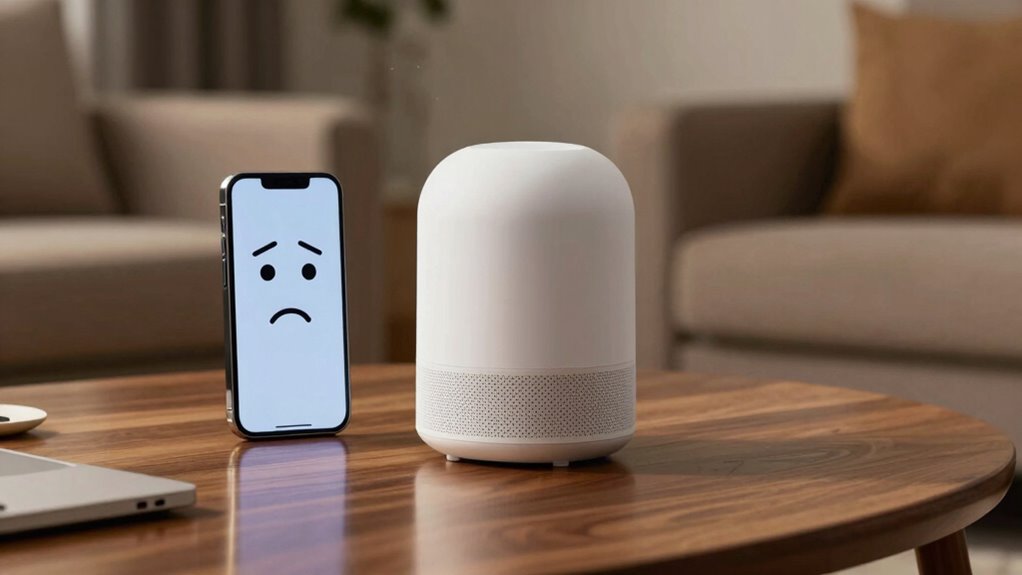

The biggest mistake that quickly undermines trust in voice interfaces is neglecting user privacy while aiming for accuracy. When you fail to clearly communicate how data is handled or don’t prioritize security, users become wary and doubt the system’s intentions. Errors or lack of context understanding further damage confidence. To build lasting trust, you must balance accurate recognition with transparent privacy policies. Keep exploring to discover how you can enhance trust effectively.

Get art and craft supplies delivered free with Prime
- Fast, free delivery on millions of items
- Prime Video, Amazon Music and more included
- Member-only deals all year
Key Takeaways
- Providing inaccurate or irrelevant responses quickly diminishes user confidence in the system.
- Failing to communicate privacy measures and data handling erodes trust.
- Ignoring conversation context leads to impersonal interactions, reducing perceived intelligence.
- Overlooking user control over data collection damages long-term trust.
- Lack of transparency about security and updates fosters user skepticism and hesitancy.
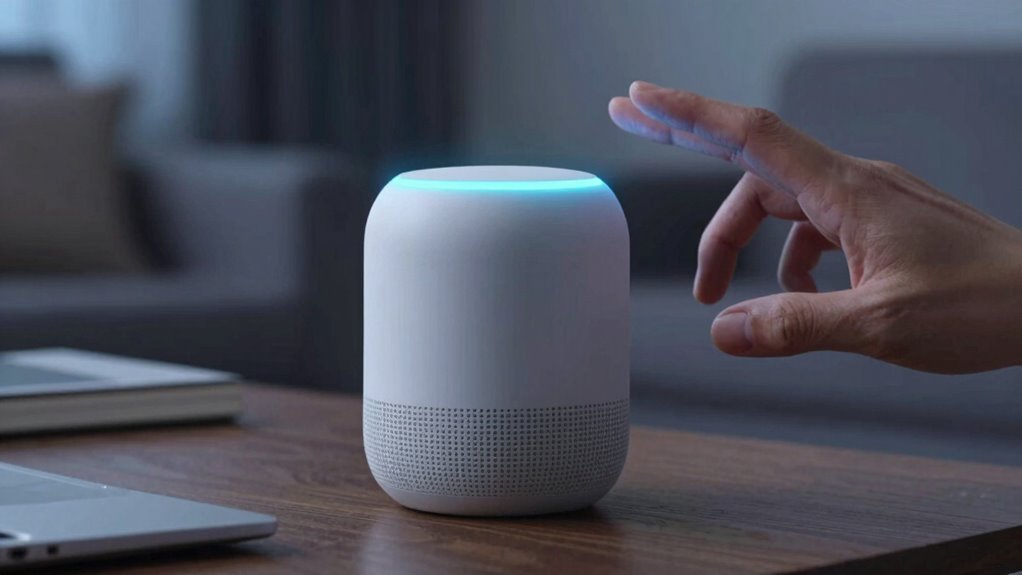
Many voice interfaces quickly lose user trust when they fail to deliver accurate and contextually relevant responses, even if they perform well most of the time. This inconsistency can make users feel uncertain about relying on the technology, especially when they notice mistakes or misunderstandings. This can be particularly frustrating when users depend on voice commands for important or time-sensitive tasks. When your voice recognition system misidentifies commands or provides irrelevant answers, it chips away at confidence. You might start questioning whether the device truly understands your needs, which leads to frustration and hesitation to use it for important tasks. The key to maintaining trust lies in consistency and precision, ensuring that voice recognition accurately captures your intent every time.
Inconsistent accuracy and relevance erode trust and confidence in voice interfaces, leading to frustration and hesitation.
However, trust isn’t just about accuracy; it’s also about how your data is handled. Users are increasingly concerned about user privacy, especially with voice interfaces that constantly listen for commands. If you don’t clearly communicate how your system protects sensitive information, users may become wary of sharing their voice data. Assurances around privacy can make a significant difference. When users know their conversations aren’t being stored or misused, they’re more likely to feel comfortable engaging with voice-enabled devices. Transparency about data collection and storage builds reassurance, fostering long-term trust. Additionally, implementing privacy safeguards demonstrates a commitment to user security, which can further strengthen trust in your system.
Another mistake that damages trust is neglecting the importance of contextual understanding. Voice recognition technology should adapt to the context of conversations, recognizing nuances and specific user preferences. If your system responds generically or fails to recall previous interactions, it feels impersonal and unreliable. This oversight can lead users to think the device isn’t intelligent enough to genuinely understand their needs, which diminishes confidence. Investing in advanced voice recognition that considers context and history demonstrates that your system respects and adapts to individual users, reinforcing trust. Improving voice recognition accuracy, especially in noisy environments or with diverse accents, is crucial for sustained user confidence.
Lastly, trust falters when voice interfaces seem to ignore privacy concerns or mishandle data. Even if your voice recognition is accurate, users may hesitate to use the system if they feel their privacy isn’t prioritized. Regular updates, clear privacy policies, and options to control what data is collected help address these fears. When users see proactive measures to secure their information, they’re more likely to trust and rely on your voice interface.
privacy-focused voice recognition device
As an affiliate, we earn on qualifying purchases.
As an affiliate, we earn on qualifying purchases.
Frequently Asked Questions
How Can Companies Measure Trust in Voice Interfaces Effectively?
You can measure trust in voice interfaces effectively by collecting user feedback regularly to understand their experiences and concerns. Implement trust metrics such as satisfaction scores, error rates, and response accuracy to quantify trust levels. By analyzing this data, you identify areas needing improvement, build transparency, and foster user confidence. Consistent measurement and responsive adjustments guarantee your voice interface gains and maintains user trust over time.
What Are Some Examples of Successful Voice Interface Trust-Building Strategies?
You might think simplicity builds trust, but actually, emotional engagement and cultural adaptation do the trick. By personalizing responses and respecting diverse backgrounds, you show users you care, fostering genuine trust. Incorporate natural language and empathy, making interactions feel human. These strategies demonstrate you value users’ experiences, creating a bond that’s tough to break—proving that trust isn’t built on technical prowess alone but on understanding and connection.
How Does User Privacy Impact Trust in Voice Technology?
Your trust in voice technology heavily depends on data security and user consent. When you feel confident that your data is protected and that you’ve granted clear permission, you’re more likely to trust the system. If privacy isn’t prioritized, you might hesitate to share sensitive information or stop using the device altogether. Ensuring transparent data practices and asking for explicit user consent are vital steps to build and maintain your trust.
What Role Does Personalization Play in Voice Interface Trust?
You might think personalization boosts trust, but if the accuracy falters, it actually erodes it. When voice interfaces get personalization right, user engagement skyrockets, making interactions feel seamless and tailored. Yet, even a small mistake in personalization accuracy can cause frustration, making users question the system’s reliability. Ironically, the very effort to foster trust through personalization can backfire if not executed flawlessly—trust hinges on precision.
How Can Voice Interfaces Be Designed to Recover From Trust Breaches?
You can design voice interfaces to recover from trust breaches by emphasizing emotional responsiveness and effective error recovery. When your system acknowledges mistakes sincerely and shows understanding, it rebuilds trust. Incorporate empathetic responses and guarantee clear, helpful error recovery processes to demonstrate reliability. Promptly addressing issues with compassion and transparency makes users feel valued, encouraging them to regain confidence and continue engaging with your voice interface.
voice assistant with privacy controls
As an affiliate, we earn on qualifying purchases.
As an affiliate, we earn on qualifying purchases.
Conclusion
If you neglect clear communication and overpromise on what voice interfaces can do, trust quickly erodes—like a sandcastle crushed by the tide. Remember, honesty and transparency are your best allies. When users feel understood and see consistent results, trust builds steadily, like a sturdy bridge. Don’t let small mistakes become big cracks; nurture your voice interface with clarity and realism. That way, trust remains strong, guiding users smoothly through every interaction.
As an affiliate, we earn on qualifying purchases.
voice recognition accuracy improvement
As an affiliate, we earn on qualifying purchases.
As an affiliate, we earn on qualifying purchases.
Fall Picks
fall essentials
As an affiliate, we earn on qualifying purchases.