

To facilitate co-creation in collaborative design workshops, you should engage diverse stakeholders early, encourage open dialogue, and use structured brainstorming techniques like mind mapping and rapid ideation. Set a supportive environment with clear ground rules, visual tools, and shared ownership to foster trust and active participation. Keep communication ongoing, showcase how contributions shape ideas, and refine concepts collectively. Continuing will reveal more strategies to make your workshops highly effective and innovative.
Key Takeaways
- Use well-structured brainstorming techniques like mind mapping and rapid ideation to promote diverse idea generation.
- Engage stakeholders early and actively to ensure their insights ground the co-creation process.
- Foster an open, respectful environment with clear ground rules to encourage free-flowing collaboration.
- Utilize visual tools and prototypes to help participants visualize concepts and enhance understanding.
- Maintain continuous communication and feedback to refine ideas and ensure stakeholder buy-in throughout the workshop.

Have you ever wondered how the best design ideas come to life? The secret often lies in effective collaborative design workshops, where diverse perspectives merge to create innovative solutions. These workshops thrive on well-planned brainstorming techniques that unleash creativity and foster open dialogue. When you facilitate a session that encourages free-flowing idea generation, you allow participants to think beyond their usual boundaries. Techniques like mind mapping, rapid ideation, and round-robin sharing help break down mental barriers, ensuring everyone’s voice is heard. But the success of these sessions hinges on more than just clever techniques—you need to actively engage stakeholders from the start. Stakeholder engagement isn’t just about inviting people to the table; it’s about making them feel valued and heard. When you involve stakeholders early, you gain insights that ground your ideas in real-world needs and expectations, leading to more practical and impactful outcomes.
In a collaborative workshop, your role is to create an environment where participants feel comfortable sharing their thoughts. This means setting ground rules that promote respect and active listening, as well as guiding discussions to stay focused yet open-ended enough to explore new avenues. When you emphasize brainstorming techniques that emphasize quantity over quality initially, you encourage participants to think freely without fear of judgment. Later, you can help the group prioritize and refine ideas, but the initial phase should be about capturing as many perspectives as possible. Engaging stakeholders during this process is crucial—by involving them in activities like co-creating personas or mapping user journeys, you deepen their investment in the project and gather valuable insights that might otherwise be overlooked. Additionally, understanding stakeholder influence can help tailor your engagement strategies for more effective collaboration.
Furthermore, successful stakeholder engagement during workshops involves continuous communication. Keep everyone informed about how their contributions influence the design process, and invite ongoing feedback. This transparency builds trust and encourages a collaborative mindset. As ideas develop, you can use visual tools like sketches or prototypes to help participants see their concepts come to life, which in turn sparks further creativity. Remember, the goal isn’t just generating ideas but fostering a shared sense of ownership among all involved. When stakeholders see their input reflected in the final design, they’re more likely to champion the project and contribute additional insights in future collaborations. By combining effective brainstorming techniques with meaningful stakeholder engagement, you transform a simple workshop into a dynamic co-creation hub where innovation flourishes through collective effort.

Drawing Out Your Genius: Use Visual Thinking to Sell Ideas, Drive Buy-in, and Lead Change
As an affiliate, we earn on qualifying purchases.
As an affiliate, we earn on qualifying purchases.
Frequently Asked Questions
How Do I Measure the Success of a Co-Creation Workshop?
You measure the success of a co-creation workshop by evaluating participant engagement and idea quality. If participants actively contribute, share diverse perspectives, and collaborate effectively, engagement is high. Additionally, evaluate the originality, feasibility, and relevance of the ideas generated. When these elements align positively, it indicates the workshop achieved meaningful co-creation. Tracking progress over time helps you refine future workshops for even better outcomes.
What Tools Best Support Virtual Collaborative Design Sessions?
You should use digital whiteboards like Miro or MURAL to facilitate visual collaboration and idea sharing during virtual sessions. Breakout rooms enable smaller, focused discussions, making it easier to gather diverse input and foster engagement. These tools support real-time interaction, streamline communication, and help participants co-create effectively. Combining digital whiteboards with breakout rooms creates an interactive environment that boosts creativity and productivity in virtual collaborative design sessions.
How Can I Manage Conflicting Ideas During a Workshop?
Think of conflicting ideas as a tangled knot; you need patience to untangle them. You can manage conflict resolution by actively listening, encouraging open dialogue, and finding common ground. Use idea balancing techniques to weigh each perspective fairly, ensuring everyone feels heard. Set clear ground rules upfront, and mediate with empathy. This approach transforms chaos into clarity, helping your workshop stay productive and collaborative despite disagreements.
What Is the Ideal Group Size for Effective Collaboration?
You should aim for a group size of 5 to 9 participants to optimize group dynamics and maintain high participant engagement. Smaller groups allow everyone to share ideas comfortably and stay focused, while larger groups risk dominating by some and disengagement by others. By keeping the group within this range, you foster more meaningful interaction, guarantee diverse perspectives are heard, and keep the collaboration productive and inclusive.
How Do I Ensure Diverse Participation in Workshops?
To guarantee diverse participation in workshops, you should actively promote cultural inclusivity by inviting participants from varied backgrounds and perspectives. Use inclusive language and create a welcoming environment to boost participant engagement. Encourage everyone to share their ideas, and consider different communication styles and needs. By valuing all voices, you foster a richer co-creation process and make sure your workshop reflects a broad range of insights and experiences.
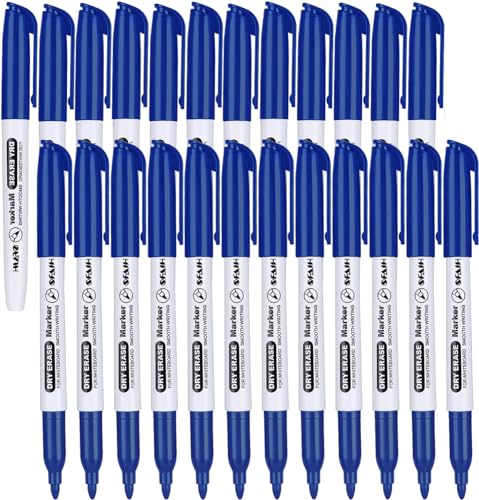
SFAIH Fine Tip Dry Erase Markers – 24 Pack Blue Whiteboard Erasable Markers Bulk, Ideal for Brainstorming & Visual Planning, Teams, Teacher & Creative Sessions, Vivid Blue Ink, Non-Toxic Easy Clean
The Creative & Collaborative Color: Blue is the color of ideas, clarity, and focus. This 24-pack of vivid…
As an affiliate, we earn on qualifying purchases.
As an affiliate, we earn on qualifying purchases.
Conclusion
As you step back from the workshop, imagine the vibrant mosaic you’ve helped create—each piece representing a unique idea, a shared vision. The room still hums with energy, echoes of voices blending into a symphony of collaboration. Remember, these workshops aren’t just about design; they’re about building bridges and inspiring trust. Keep that momentum alive, and you’ll see your collective creativity blossom into something truly impactful, like a garden blooming with endless possibilities.
stakeholder engagement facilitation kit
As an affiliate, we earn on qualifying purchases.
As an affiliate, we earn on qualifying purchases.

Helping Hands Soldering,Third Hands Helping Soldering Station with Desk Clamp,Simple Design Flexible 3 Arms Soldering Tool,Third Hand Holder,for Crafts Jewelry Hobby Workshop Use
The base is made of aluminum to ensure stability, which keep the Helping hand from sliding around on…
As an affiliate, we earn on qualifying purchases.
As an affiliate, we earn on qualifying purchases.