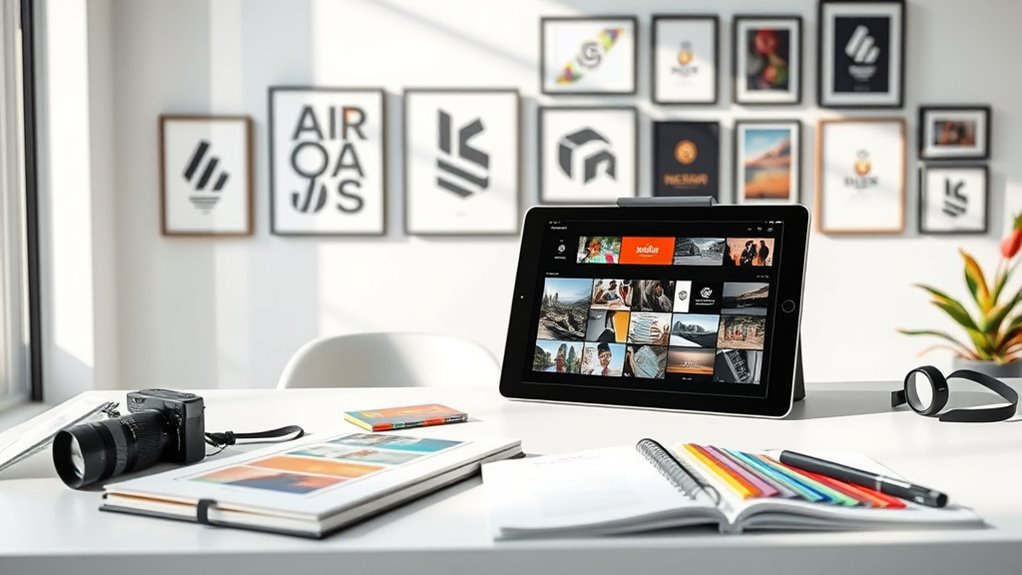

Building your portfolio identity starts with creating a consistent visual style that reflects your unique design approach. Share your story to humanize your brand and connect emotionally with clients. Curate projects that reinforce your core message and showcase your strengths. As you develop your brand, keep refining your visual and storytelling elements to stay authentic and adaptable. If you keep exploring, you’ll discover how to strengthen your personal brand and attract the right opportunities.
Key Takeaways
- Develop a cohesive visual identity across your portfolio, social media, and platforms to ensure instant recognition.
- Incorporate storytelling to humanize your brand, sharing your design philosophy, challenges, and unique perspectives.
- Curate projects intentionally to reinforce your core message, style, and strengths, avoiding clutter.
- Maintain consistency in visual elements to communicate professionalism and build trust with clients and employers.
- Evolve your personal brand regularly, refining your portfolio and storytelling to reflect your growth as a designer.
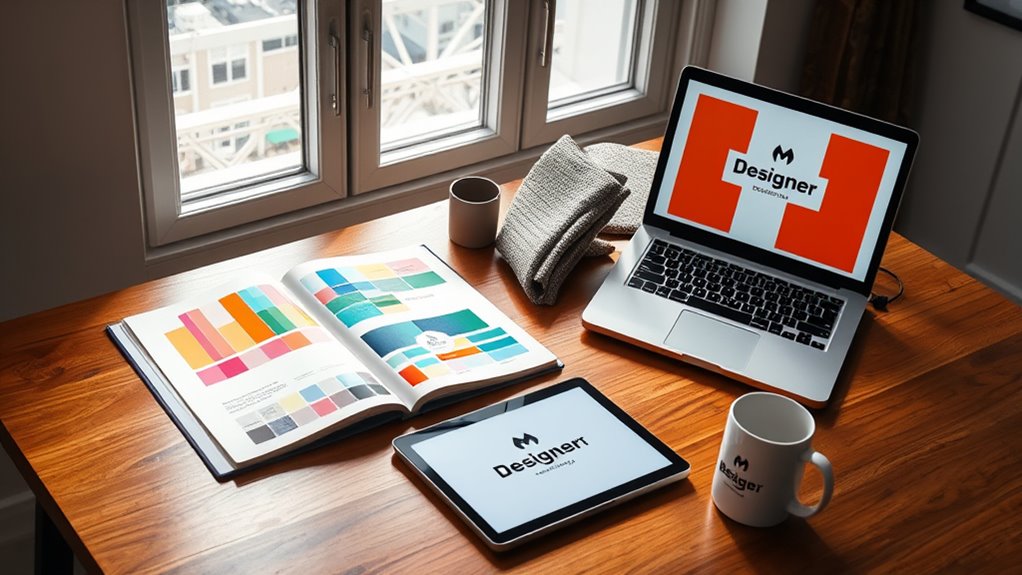
In today’s competitive design industry, building a strong personal brand isn’t just an option—it’s essential. Your personal brand acts as your visual signature, setting you apart in a crowded marketplace. One of the most effective ways to establish this identity is through maintaining consistent visual elements across your portfolio, social media, and other platforms. Visual consistency isn’t just about choosing a color palette or font; it’s about creating a cohesive look that instantly communicates who you are as a designer. When your work, website, and social profiles align visually, you send a clear message: you’re professional, deliberate, and confident in your style. This consistency helps potential clients and employers recognize your work instantly, fostering trust and familiarity.
Consistent visual branding builds trust, showcases professionalism, and makes your work instantly recognizable in a crowded market.
But visual consistency alone isn’t enough. You need to craft a compelling narrative around your brand—what’s often called brand storytelling. Your story is the foundation that humanizes your work, making it more relatable and memorable. Think about what drives your design philosophy, the challenges you’ve overcome, and the unique perspective you bring to every project. Sharing this story through your portfolio and online presence allows others to connect with you on a deeper level. It transforms your portfolio from a simple showcase of work into a narrative that reflects your values, personality, and expertise. When you combine strong visual consistency with authentic storytelling, you create a powerful brand identity that resonates with your audience.
Building your portfolio with intentionality is vital. Every piece of work you include should reinforce your core message and visual style. Avoid cluttering your portfolio with projects that don’t align with your brand story or visual language. Instead, curate your work thoughtfully, emphasizing projects that demonstrate your strengths and versatility while remaining true to your brand. Use your platform to tell the stories behind each project, highlighting your process, the problem-solving involved, and the results achieved. This not only showcases your skills but also gives potential clients insight into your approach and mindset. Additionally, understanding the importance of visual consistency can significantly boost how your work is perceived, as it provides a recognizable and professional look that supports your overall branding.
Ultimately, your personal brand isn’t static; it evolves as you grow and learn. Keep refining your visual consistency and storytelling to reflect your development as a designer. When you do, you’ll craft a compelling, authentic portfolio identity that attracts the right opportunities and helps you stand out in the design world. Remember, your personal brand is your most valuable asset—invest in it wisely.

Wood Burning Tips Letters Set, Alphabet Template Branding tip for Embossing and Carving Crafts Carving Iron Paste Tool Adult Embossing Beginner DIY 28Pcs
Comes with total 28 pcs burning tips, including 26 alphabet tips, 1 conical tip and 1 teardrop tip,…
As an affiliate, we earn on qualifying purchases.
As an affiliate, we earn on qualifying purchases.
Frequently Asked Questions
How Can I Differentiate My Personal Brand in a Saturated Market?
To differentiate your personal brand in a saturated market, focus on niche markets that align with your strengths. Use storytelling techniques to craft a compelling narrative around your work, highlighting your unique approach and experiences. Share authentic insights and case studies that resonate with your target audience. By clearly communicating what sets you apart and engaging them emotionally, you’ll stand out and build a memorable, authentic brand identity.
What Are Effective Strategies for Showcasing My Unique Design Style?
To showcase your unique design style, focus on visual storytelling that highlights your creative vision. Use consistent branding elements across your portfolio, such as color schemes, typography, and layout, to reinforce your identity. Share behind-the-scenes processes and case studies to demonstrate your approach. By maintaining brand consistency and telling compelling stories through your work, you help potential clients see what makes your style distinct and memorable.
How Often Should I Update My Portfolio to Reflect My Growth?
You should update your portfolio every 3 to 6 months, as studies show consistent updates improve visibility and client engagement. Regular portfolio maintenance keeps your work fresh and aligns with your evolving style, ensuring brand consistency. By frequently showcasing your latest projects, you demonstrate growth and adaptability, which attracts new opportunities. Stay proactive, review your portfolio often, and make updates to reflect your best work and ongoing progress.
What Platforms Are Best for Promoting My Personal Brand as a Designer?
You should focus on platforms like Instagram, LinkedIn, and Behance to promote your personal brand. These social media sites and online portfolios help you showcase your work, connect with industry peers, and attract clients. Regularly update your profiles with fresh projects, behind-the-scenes content, and insights into your design process. This consistent activity keeps your personal brand visible, engaging, and credible across the digital landscape.
How Do I Handle Negative Feedback or Criticism Professionally?
Irony alert: the best way to handle negative feedback is to pretend it doesn’t sting—until it actually does. You should approach criticism with emotional resilience, viewing it as a chance for constructive dialogue. Stay professional, thank the reviewer, and consider their points objectively. This attitude not only helps you grow but also strengthens your personal brand, showing you’re open to learning and confident enough to handle critique gracefully.

Author Branding for Romance Writers: A Comprehensive Guide to Documenting Your Voice, Visual Identity, Platform Strategy, and Media Kit
As an affiliate, we earn on qualifying purchases.
As an affiliate, we earn on qualifying purchases.
Conclusion
Remember, your portfolio is both your most personal and most public asset. It’s a mirror reflecting your unique style, yet a billboard broadcasting your skills to the world. Balancing authenticity with professionalism creates a compelling identity that stands out. Embrace the tension between vulnerability and confidence, knowing that your true brand emerges when you blend your genuine passion with strategic presentation. In this dance of contrast, your authentic voice becomes an unforgettable signature.

Design Is Storytelling
As an affiliate, we earn on qualifying purchases.
As an affiliate, we earn on qualifying purchases.
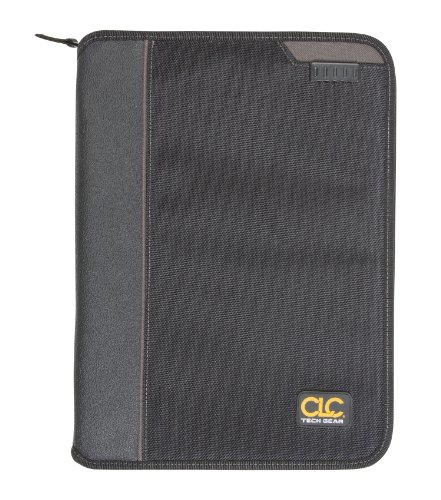
CLC Custom Leathercraft L217 Tech Gear Lighted Pro Business Portfolio
Includes LED light that is easily positioned for reading or writing in low light conditions
As an affiliate, we earn on qualifying purchases.
As an affiliate, we earn on qualifying purchases.