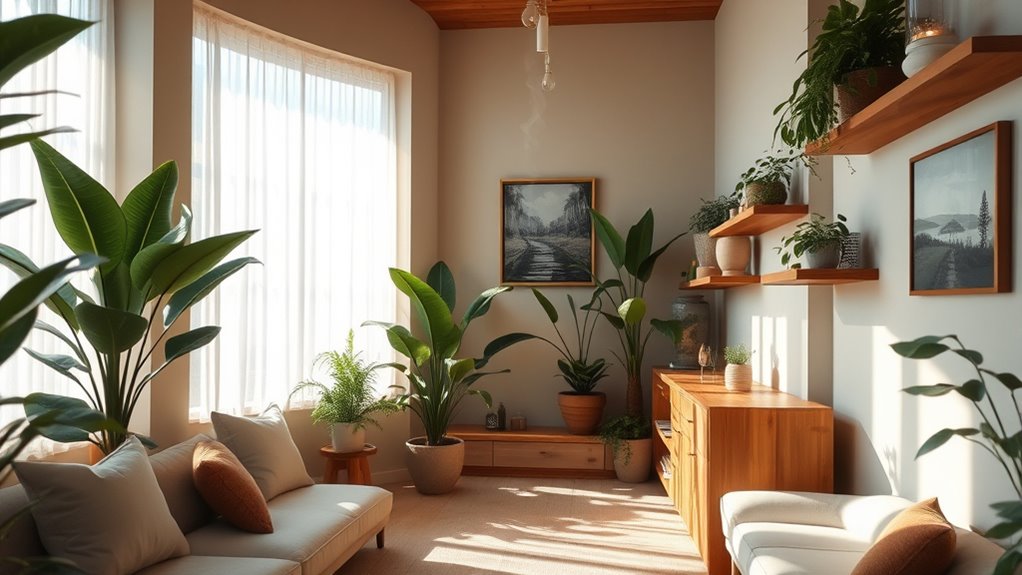

To design for mental health and wellbeing, focus on creating a calming environment with soothing colors like blues and greens that promote relaxation. Incorporate ergonomic furniture to reduce physical strain, helping you stay focused and comfortable. Small adjustments, such as proper lighting and personalized touches, can considerably boost your mood and resilience. By intentionally shaping your space, you support your emotional and physical needs—if you want to learn more, stay with us to explore practical tips and ideas.
Key Takeaways
- Incorporate calming colors like blues and greens to promote relaxation and reduce anxiety in spaces.
- Use ergonomic furniture to support physical comfort, reducing fatigue and enhancing mental focus.
- Design environments that are personalized and adaptable to meet individual emotional and physical needs.
- Create a balanced layout that fosters natural light, ventilation, and open space to boost mood and clarity.
- Implement small, intentional adjustments to environment elements to positively influence mental resilience and wellbeing.
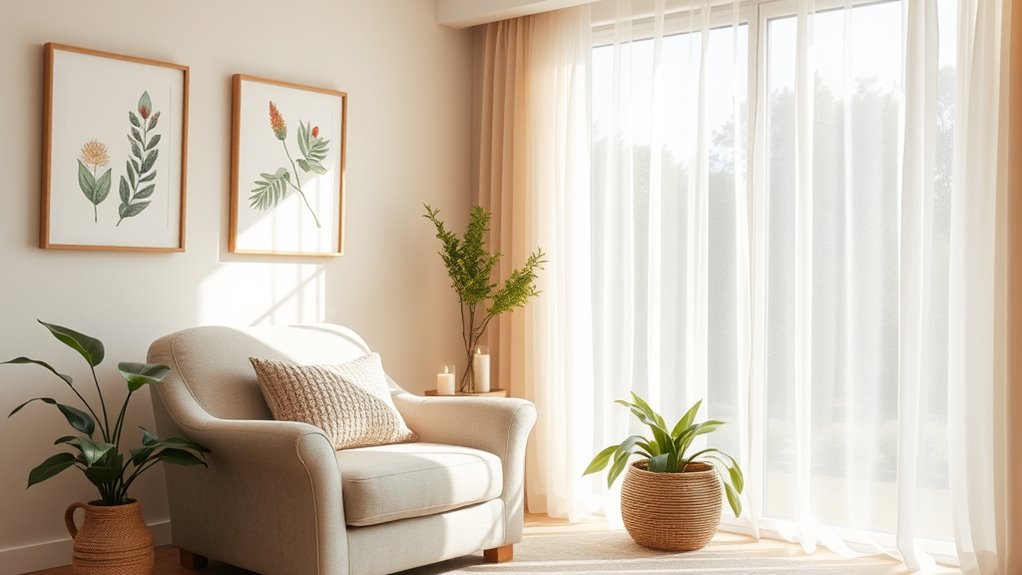
Have you ever considered how the spaces around you influence your mental health? The environment you’re in shapes your mood, focus, and overall well-being more than you might realize. When designing spaces, paying attention to mindful ergonomics can make a significant difference. Think about how your workspace or living area is arranged. Is it set up to support your natural movements and reduce physical strain? Proper ergonomic design isn’t just about comfort; it’s about creating a setting that minimizes stress and fatigue. When your desk, chair, and computer are aligned to your body’s needs, it becomes easier to stay focused, prevent discomfort, and maintain a positive mindset. Incorporating mindful ergonomics means considering how each element supports your mental and physical health, reducing distractions caused by discomfort or awkward positioning.
Color plays a vital role in shaping your emotional state. Calming color schemes are more than just aesthetic choices—they can actively promote relaxation and reduce anxiety. Soft blues, gentle greens, and warm neutrals are known to foster a sense of calm. When you surround yourself with these hues, it’s easier to unwind and feel centered, especially during stressful moments. These colors don’t just look nice; they influence your brain chemistry, encouraging tranquility and focus. When designing a space intended for wellbeing, opt for calming color schemes that resonate with your personal preferences. The goal is to create an environment that invites you to breathe deeply, relax, and clear your mind.
Combining mindful ergonomics with calming colors creates a powerful synergy. Your environment becomes a sanctuary that nurtures both your body and mind. For instance, a well-placed ergonomic chair in a room painted with soothing tones can make work or relaxation time more enjoyable. Small changes, like adjusting your desk height, choosing ergonomic accessories, or selecting paint colors thoughtfully, can dramatically improve your mental health. The key is to actively shape your surroundings to support your emotional resilience and physical comfort. When your environment aligns with your needs, it’s easier to stay motivated, reduce stress, and maintain a positive outlook. Remember, your space isn’t just background decor—it’s a tool for nurturing your mental health every day.
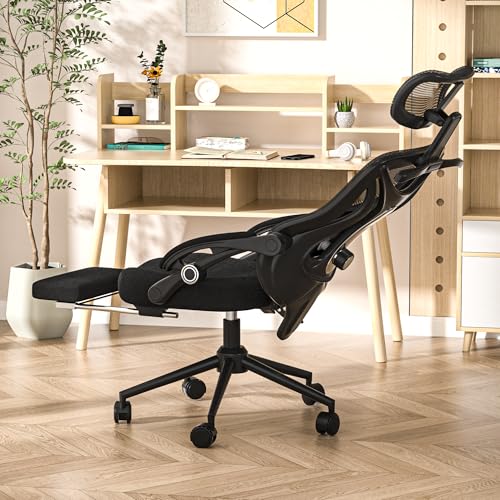
Ergonomic Office Chair with Footrest – Adjustable Lumbar Support & Headrest, 90-160° Reclining Mesh Back Computer Chair – Home Office/Gaming, 350lbs Capacity
This is more than a chair; it's a personalized comfort zone for work, rest, and play. We've meticulously…
As an affiliate, we earn on qualifying purchases.
As an affiliate, we earn on qualifying purchases.
Frequently Asked Questions
How Does Color Influence Mental Health in Design?
Color influences mental health by shaping emotional resonance and mood, based on color psychology. As you choose colors, you can evoke calmness with blues, energy with yellows, or relaxation with greens. You have the power to create environments that support well-being by understanding how different hues impact emotions. Using thoughtful color choices helps you foster positive mental health, making spaces more comforting and conducive to emotional balance.
What Role Does Natural Light Play in Wellbeing-Focused Spaces?
Natural light plays a vital role in wellbeing-focused spaces by enhancing mood and productivity. You can maximize its benefits through sunlight therapy, which boosts serotonin levels, and daylight harvesting, which efficiently captures and distributes sunlight. By incorporating large windows, skylights, and reflective surfaces, you allow more sunlight to enter, creating a brighter environment that supports mental health. This connection with natural light helps reduce stress and improve overall wellbeing.
How Can Sound Design Impact Mental Health Positively?
Sound design can substantially boost your mental health by creating calming acoustic environments. Incorporate sound therapy, such as gentle music or nature sounds, to reduce stress and anxiety. Good acoustic environments minimize noise pollution and echo, helping you feel more relaxed and focused. When thoughtfully designed, sound can soothe your mind, improve mood, and foster a sense of well-being, making spaces more supportive and restorative.
Are There Specific Furniture Choices That Promote Mental Wellness?
You can promote mental wellness by choosing ergonomic seating that supports comfort and reduces stress. Incorporate calming textures like soft fabrics or natural fibers to create a soothing environment. Opt for furniture with gentle lines and neutral colors to foster relaxation. These choices help you feel more at ease, reduce anxiety, and encourage a sense of calm, making your space conducive to mental health and overall wellbeing.
How Can Technology Be Integrated Without Causing Stress?
To keep technology from causing stress, you should seamlessly synchronize mindfulness technology with your space, ensuring it’s simple and soothing. Incorporate calming cues, like gentle notifications or meditation prompts, to promote stress reduction. By prioritizing user-friendly interfaces and strategic placement, you create a calm, clutter-free environment where technology enhances relaxation instead of overwhelming it. This thoughtful integration supports mental wellness without added anxiety or agitation.

Glidden Total 1 gal. Blue Bayberry/Green Eggshell Interior Paint with Primer
Extremely durable interior paint ideal for use on properly prepared interior walls, ceilings or trim composed of new…
As an affiliate, we earn on qualifying purchases.
As an affiliate, we earn on qualifying purchases.
Conclusion
As you craft spaces with kindness and intention, you gently nurture a sanctuary where minds can softly bloom. By weaving comfort into every detail, you create a quiet haven that whispers support and understanding. Remember, your thoughtful design acts like a gentle breeze, guiding those seeking peace toward calmer shores. In this subtle dance of light and space, you foster a sense of serenity, helping hearts find their gentle rhythm amidst life’s busy hum.
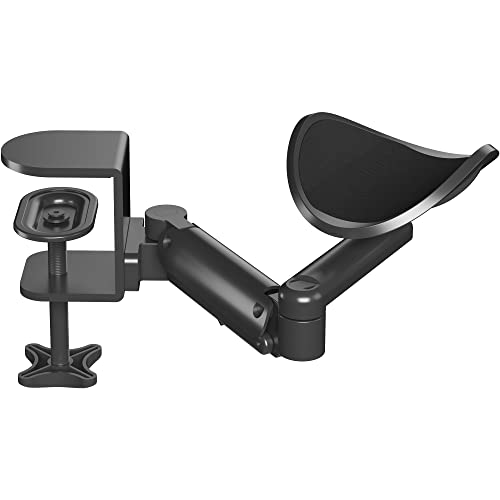
BONTEC Adjustable Arm Rest for Desk, Ergonomic Elbow Rest Pad, 360° Rotating & Extendable Desk Arm Support, Durable Aluminum, Keyboard & Computer Arm Rest Pad, Office & Gaming Desk Accessories
ARM SUPPORT SOLUTIONS – Designed for both left-and right-handed users, this support provides stability for your arm and…
As an affiliate, we earn on qualifying purchases.
As an affiliate, we earn on qualifying purchases.

Pzloz Led Desk Lamp for Office Home – Eye Caring Architect lamp with Clamp,Dual Screen Computer Monitor Work Smart Light: 24W 5 Color Flexible Adjustable Lighting Table Lamp for Study Drafting
Versatile Lighting Options: This LED desk lamp offers 25 light combination modes with 5 color temperatures (3000K-5500K) and…
As an affiliate, we earn on qualifying purchases.
As an affiliate, we earn on qualifying purchases.