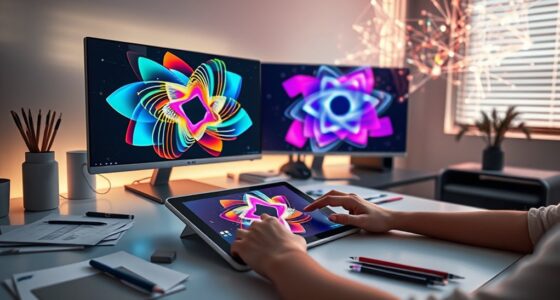

Human-made visuals often deceive by showing polished images that hide deeper issues and distort reality. You might believe what you see is an accurate story, but curated images and digital edits can mask struggles, imperfections, or underlying problems. These visuals influence your perceptions and set unrealistic standards, making you doubt genuine authenticity. If you want to understand how to see beyond the surface and uncover what’s truly behind the images, there’s more to explore.
Key Takeaways
- Visuals can conceal underlying issues, creating a distorted perception of reality.
- Edited images often disconnect appearance from authenticity, undermining trust.
- Curated visuals reinforce stereotypes and unrealistic societal standards.
- Color adjustments and photo editing complicate discerning genuine content.
- Critical analysis of visuals is essential to recognize hidden biases and manipulation.

While human-created visuals often enhance our comprehension and involvement, they can also conceal underlying problems that go unnoticed. When you see a polished photograph, a sleek infographic, or a perfectly curated social media post, it’s easy to assume that’s the full story. But these visuals are carefully designed, often influenced by perception bias, which can distort reality and lead you to believe in an idealized version of events or products. Your mind tends to fill in gaps, adding details that confirm what you already expect or want to see, rather than presenting an objective truth. This bias can make it difficult to recognize genuine representations, especially when visuals are crafted to evoke specific emotions or perceptions.
Visuals can hide issues and distort reality, so question what you see behind the polished surface.
You might feel confident that a beautifully edited image accurately depicts a product or experience, but that confidence can be misplaced. The concern over authenticity looms large in this context. When visuals are altered—through filters, cropping, or digital enhancements—they can create a disconnect between appearance and reality. This fuels authenticity concerns, making you question whether what you see is genuine or just a carefully constructed illusion. Over time, this undermines trust, not just in individual images but in the platforms or brands that produce them. When authenticity is compromised, you risk forming opinions based on incomplete or misleading information, which can influence your choices and perceptions in subtle but significant ways.
Moreover, the reliance on human-made visuals can reinforce stereotypes and societal expectations. For example, images portraying idealized bodies or luxurious lifestyles set unrealistic standards, shaping your perception bias toward believing that such images reflect everyday life. This skewed perception can lead to dissatisfaction, anxiety, or even social comparison, as you measure your reality against curated representations. It’s important to recognize that these visuals often omit the complexities, struggles, or imperfections behind the scenes. When you accept visuals at face value, you might overlook the context or the effort behind them, leading to a skewed understanding of what’s real and what’s manufactured. Recognizing that color accuracy influences how faithfully images represent real-world colors and details is crucial for developing a more critical eye. Additionally, the use of photo editing tools has become widespread, further complicating the ability to discern authenticity from manipulated content. Being aware of visual manipulation practices can help you better evaluate the credibility of the images you encounter daily.
Developing a critical eye involves questioning not just the visuals themselves but also the motives behind their creation and dissemination. Ultimately, the challenge lies in developing a critical eye. You need to question what’s behind the visuals you encounter daily. Are they authentic? Are they representative of the truth? By understanding perception bias and authenticity concerns, you empower yourself to see beyond surface appearances, making more informed judgments rather than accepting human-created visuals at face value. Recognizing these hidden issues helps you navigate a world saturated with curated images, fostering a more genuine and nuanced understanding of reality.
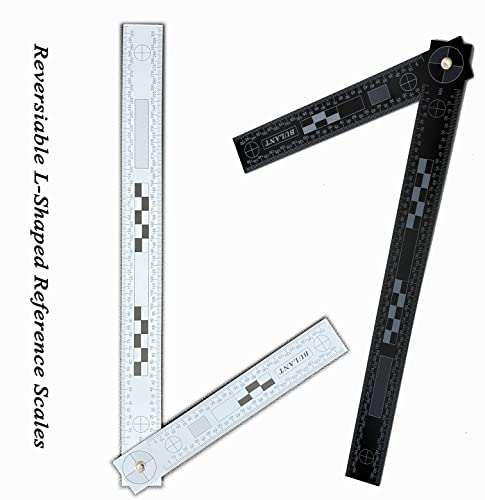
MOVEED Reversible L-Shaped Reference Scales, Photo Evidence PVC Rulers, Crime Scene Forensic Supply, 5pcs/Pack (300 x 150 mm, Folding)
Excellent for scientific photography in most lighting conditions
As an affiliate, we earn on qualifying purchases.
As an affiliate, we earn on qualifying purchases.
Frequently Asked Questions
How Do Human-Made Visuals Influence Viewer Perception Subconsciously?
Human-made visuals subtly influence your perception through perception biases and visual cognition. You might unconsciously interpret colors, shapes, and compositions, shaping your emotions and opinions without realizing it. Clever design techniques guide your eye and evoke specific feelings, reinforcing messages or stereotypes. These visuals tap into your subconscious, shaping perceptions and beliefs over time, often without your awareness. Recognizing this helps you critically evaluate the images you encounter daily.
What Ethical Concerns Arise From Manipulating Visuals Intentionally?
You might wonder if tweaking visuals challenges authentic authenticity. When you manipulate images intentionally, there’s a risk of crossing into ethical deception, misleading viewers without transparency. Such actions can erode trust and compromise integrity, especially if audiences aren’t aware of these alterations. It’s vital to contemplate the moral implications, ensuring your visuals honor honesty and respect, rather than subtly deceiving for personal or commercial gain.
Can Ai-Generated Visuals Reduce the Hidden Problems?
AI-generated visuals can help reduce hidden problems by promoting artificial authenticity, making images more truthful and trustworthy. They can also minimize visual bias, as algorithms can be designed to be more objective and balanced than human creators. However, you should remain cautious, as AI might still unintentionally embed biases. Overall, AI visuals hold promise for addressing hidden issues, but careful oversight is vital to guarantee genuine authenticity and fairness.
How Do Cultural Differences Affect Interpretation of Visuals?
You’ll find that cultural differences greatly influence how you interpret visuals. Cultural symbolism shapes what you see as meaningful, while visual stereotypes might lead you to make assumptions based on familiar images. These factors impact your understanding, causing you to interpret visuals differently depending on your background. Recognizing these differences helps guarantee you don’t misread or overlook important nuances, making your visual communication more accurate and respectful across cultures.
What Are the Long-Term Impacts of Reliance on Human-Made Visuals?
You might not realize it, but 60% of viewers struggle to distinguish genuine visuals from manipulated ones, impacting your perception. Relying heavily on human-made visuals can erode visual authenticity, making it harder to trust what you see. Over time, cognitive bias may reinforce false beliefs, leading to misinformed decisions and distorted perceptions. This reliance can diminish critical thinking, shaping a society that accepts fabricated visuals without question.
image authenticity verification device
As an affiliate, we earn on qualifying purchases.
As an affiliate, we earn on qualifying purchases.
Conclusion
You might not realize it, but nearly 60% of people struggle to distinguish between real and AI-generated images. This blurring line raises concerns about trust and authenticity in the visuals you encounter daily. As you rely more on digital content, understanding this hidden problem becomes essential. By questioning what you see and staying informed, you can better navigate a world where human-made visuals are more convincing—and potentially more deceptive—than ever before.

CyberLink PhotoDirector 2026 | Generative AI Photo Editor for Windows | AI Tools, Layer Editing, Photo Retouching, Creative Effects & Design | Box with Download Code
AI Object Removal with Object Detection – Clean up photos fast with AI that detects and removes distractions…
As an affiliate, we earn on qualifying purchases.
As an affiliate, we earn on qualifying purchases.

Jeimier 5 Sizes Bias Tape Makers, Upgraded Bias Binding Tape Making Tool for Fabric Quilting Sewing, Quickly Customize, Solidly Bias Quilting Tool, 1/4IN 3/8IN 1/2IN 3/4IN 1IN
QUICKLY MAKE BIAS BINDING: The Jeimier 5 sizes professional Bias Tape Makers out of any fabric to match…
As an affiliate, we earn on qualifying purchases.
As an affiliate, we earn on qualifying purchases.