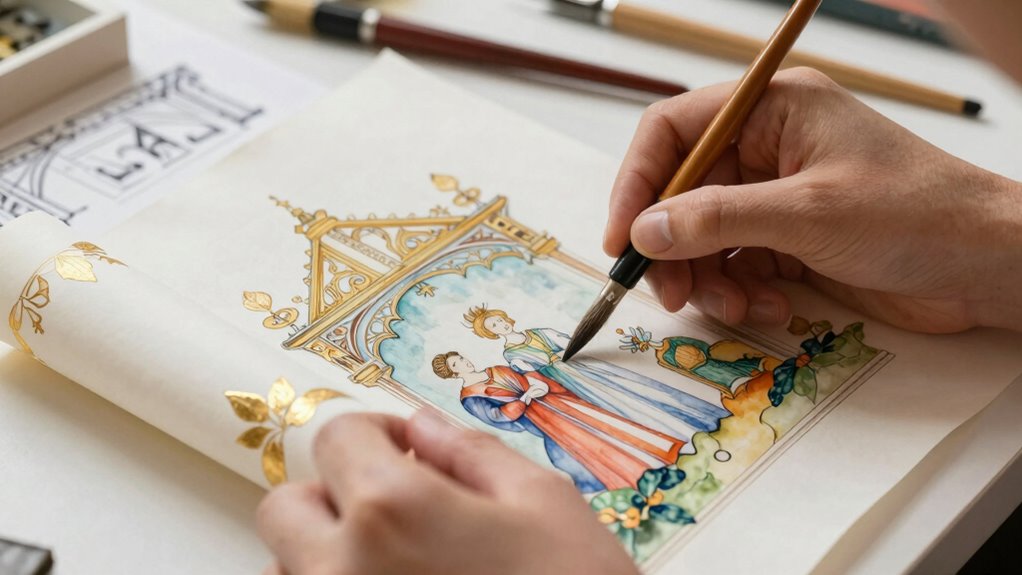

To make the craft renaissance work in real projects, focus on blending digital fabrication tools like 3D printing and CNC machines with traditional skills. Emphasize sustainable materials such as reclaimed wood or recycled metals to add authentic storytelling. Balance digital precision with manual finishing for human touch and quality. Collaborate with artisans and designers who share your values in sustainability and innovation. If you keep exploring, you’ll discover how to create meaningful, innovative crafts rooted in both tradition and technology.
Key Takeaways
- Integrate digital fabrication tools with traditional craftsmanship to enhance precision while preserving tactile quality.
- Prioritize sustainable, renewable, and biodegradable materials to align projects with environmental responsibility.
- Foster collaboration among artisans, designers, and engineers to share techniques and push creative boundaries.
- Use digital concepts to innovate within craftsmanship, blending technology with manual techniques for unique outcomes.
- Emphasize a mindset that values craftsmanship, sustainability, and technology as complementary forces in project development.
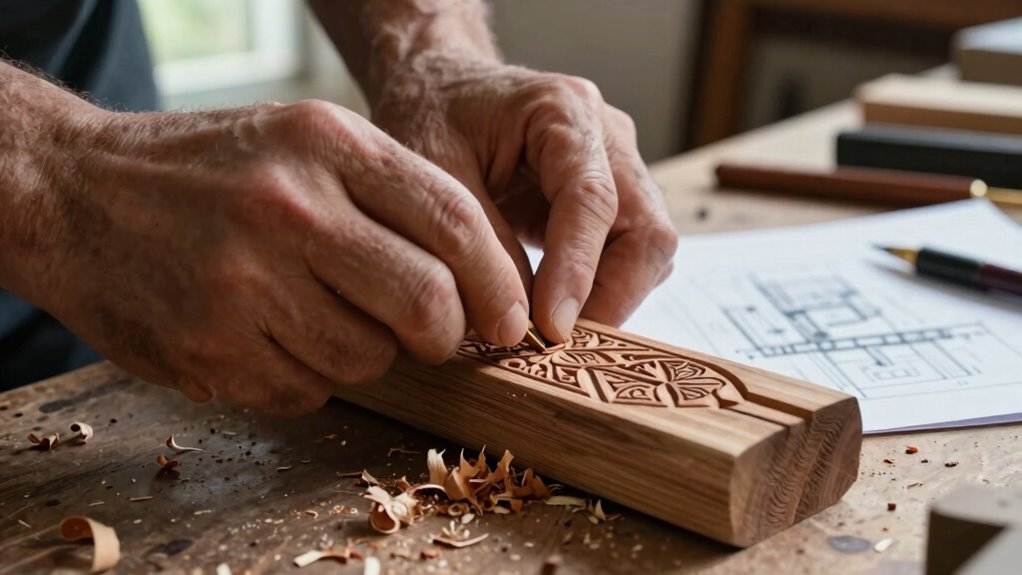
In today’s fast-paced digital world, a craft renaissance is unfolding within real projects, emphasizing the importance of meticulous skill and hands-on craftsmanship. This movement isn’t about abandoning technology but integrating it thoughtfully to elevate traditional techniques. Digital fabrication plays a crucial role here, allowing you to turn conceptual ideas into precise, tangible forms. Using tools like 3D printers, CNC machines, or laser cutters, you can achieve complex geometries and detailed designs that were once impossible to craft manually. These technologies serve as extensions of your craft, enabling rapid prototyping and fine-tuning, all while maintaining a connection to authentic craftsmanship. Additionally, understanding how digital concepts influence traditional practices can help you innovate more effectively. Incorporating knowledge of precious metals and other materials can expand your creative possibilities and add value to your projects. However, embracing this digital approach doesn’t mean sacrificing sustainability. In fact, sustainable materials are central to making the craft renaissance meaningful and responsible. When selecting materials for your project, prioritize those that are renewable, biodegradable, or have a low environmental footprint. Think bamboo, recycled metals, reclaimed wood, or biodegradable composites. These choices not only reduce your project’s ecological impact but also add a layer of authenticity and story to your work. Incorporating sustainable materials encourages you to rethink resource use, inspiring creativity rooted in environmental consciousness.
To make the craft renaissance work in your projects, you need to balance the precision of digital fabrication with the tactile richness of traditional craftsmanship. Use digital tools to develop detailed models, but don’t neglect the value of hands-on assembly, finishing, and refinement. This approach ensures your work retains a human touch, emphasizing quality over quantity. It’s about blending the efficiency of technology with the authenticity of manual skill, creating pieces that are both innovative and rooted in craft traditions.
Collaboration is also key. Engage with artisans, designers, and engineers who share your passion for sustainable materials and digital fabrication. Sharing knowledge and techniques fosters a community that values craftsmanship and sustainability equally. This collective effort pushes the boundaries of what’s possible, encouraging experimentation and innovation within real projects.
Ultimately, making the craft renaissance work involves a mindset shift—seeing technology as a tool to enhance, not replace, craftsmanship. By integrating digital fabrication with sustainable materials, you can produce projects that are environmentally responsible, technologically advanced, and deeply personal. Your work can bridge the gap between tradition and innovation, creating meaningful, durable pieces that reflect the true spirit of this craft revival.

FLASHFORGE Adventurer 5M 3D Printer with Fully Auto Leveling, Max 600mm/s High Speed Printing, 280°C Direct Extruder with 3S Detachable Nozzle, CoreXY All Metal Structure, Print Size 220x220x220mm
One-Click Automatic Printing: Experience hassle-free 3D printing with the Adventurer 5M Series. Enjoy automatic bed leveling for flawless…
As an affiliate, we earn on qualifying purchases.
As an affiliate, we earn on qualifying purchases.
Frequently Asked Questions
How Can I Adapt Craft Renaissance Techniques for Digital Projects?
You can adapt craft renaissance techniques for digital projects by embracing digital adaptation tools and platforms that foster creative collaboration. Incorporate traditional craftsmanship skills into digital design processes, emphasizing hand-drawn elements or tactile textures. Use collaborative software to enable real-time teamwork, mimicking the artisan’s studio environment. Focus on craftsmanship details, even digitally, to create authentic, engaging work that celebrates the craft renaissance ethos in a modern, virtual space.
What Are Common Challenges When Integrating Craft Renaissance Into Large Teams?
When integrating craft renaissance into large teams, you often face challenges like maintaining consistent team collaboration and ensuring skill development. Diverse skill levels and communication gaps can hinder progress. To overcome these, foster open communication, encourage shared learning, and set clear standards. Providing ongoing skill development opportunities helps team members grow, ensuring everyone stays aligned with the craft renaissance approach and works cohesively toward project success.
How Do I Measure the Success of Craft Renaissance in Projects?
Measuring success in craft renaissance projects is like tracking the heartbeat of cultural preservation. You’ll want to assess how artisan craftsmanship improves quality, fosters innovation, and sustains traditions. Use tangible metrics like project completion quality, client feedback, and community engagement. Additionally, observe whether local artisans gain recognition and skills, signaling the renaissance’s significance. Success means seeing these cultural and craftsmanship elements thrive and resonate through your project’s outcomes.
Are There Specific Industries That Benefit Most From Craft Renaissance Methods?
You’ll find that industries like fashion, furniture, and food benefit most from craft renaissance methods. Using artisan techniques and handcrafted processes, these sectors emphasize quality and uniqueness, appealing to consumers seeking authenticity. By integrating traditional skills with modern design, you create products that stand out. This approach not only preserves cultural heritage but also adds value, making your offerings more desirable in a competitive market.
What Tools Are Essential for Implementing Craft Renaissance Practices?
You’ll need essential tools like quality traditional techniques, such as hand tools for shaping and finishing, and reliable material sourcing resources. Invest in good chisels, brushes, and natural materials to guarantee authenticity. These tools help you embrace craftsmanship, maintain high standards, and stay true to the artisanal ethos. By combining traditional methods with smart sourcing, you’ll create authentic, sustainable projects that truly reflect the craft renaissance spirit.

Rustic Revival | Handmade Reclaimed Barnwood Craft Bundle | Unfinished Authentic Weathered Wood Planks for DIY, Home and School Projects (12" x 3.5" x .5") 6 Pack
🪵 Authentic Reclaimed Barnwood: Made in the USA from 100% genuine, naturally weathered barn wood salvaged from American…
As an affiliate, we earn on qualifying purchases.
As an affiliate, we earn on qualifying purchases.
Conclusion
By embracing the craft renaissance in your projects, you breathe new life into every detail, transforming the ordinary into something extraordinary. Think of it as planting seeds of craftsmanship that bloom into timeless masterpieces. When you prioritize quality, authenticity, and passion, your work stands out like a lighthouse guiding others through the fog of mediocrity. Keep nurturing your skills and celebrating craftsmanship—your projects will shine brighter with each intentional touch you add.

Laser Engraver 10W Laser Engraving Machine for Wood Metal Acrylic Glass Stone, Powerful DIY CNC Portable Laser Cutter 7.9" x 11.8" (Near A4) Offline Engraving Carverall K15 Pro, 10000mW, Class 1
Perfect A4 Size: The Carverall K15 Pro Laser Engraver hits the sweet spot—roomy enough for wooden signs, leather…
As an affiliate, we earn on qualifying purchases.
As an affiliate, we earn on qualifying purchases.

William Craft 120Pcs Wood Log Sticks for DIY Crafts and Photo Props – 10cm, 0.1-0.2 Inch Diameter
Material: boxwood, tea tree. Color: wood color.
As an affiliate, we earn on qualifying purchases.
As an affiliate, we earn on qualifying purchases.