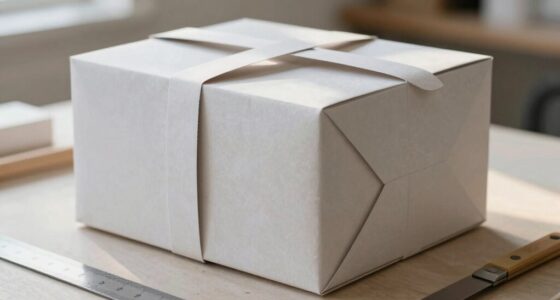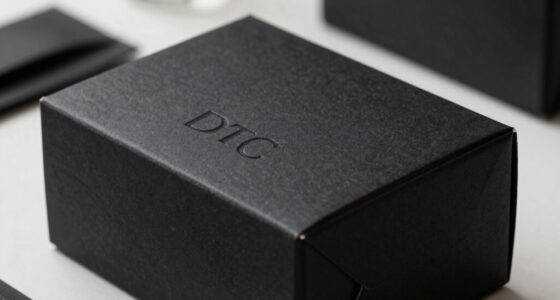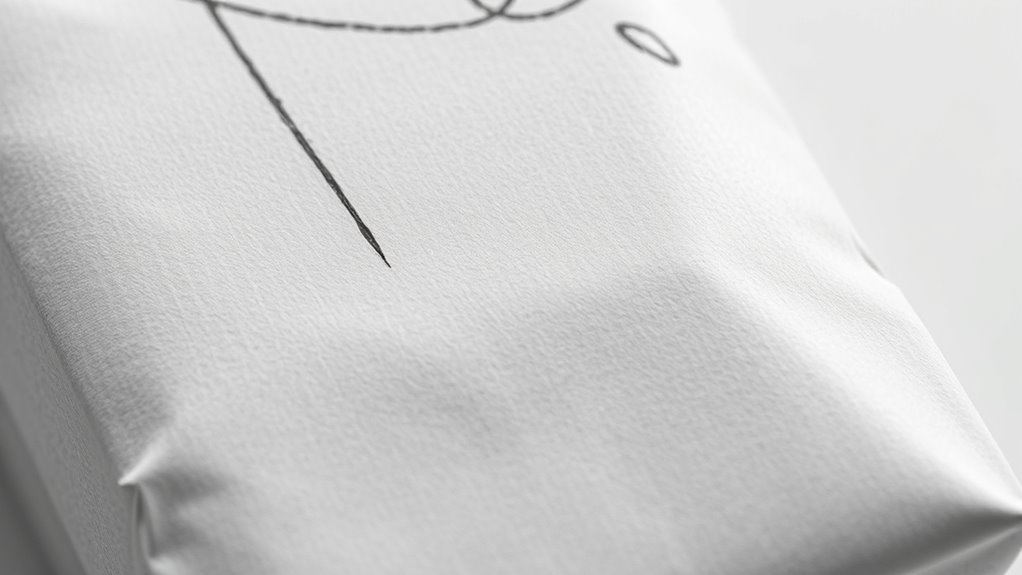

Simplistic scribbles and etches give your packaging an authentic, approachable feel that connects with consumers on a real level. By adding handwritten textures and imperfect lines, you create a sense of personality, creativity, and craftiness that stands out on crowded shelves. These design elements foster trust, show authenticity, and make your brand feel more relatable. If you keep exploring, you’ll discover how these simple touches can transform your packaging into a genuine reflection of your brand’s story.
Key Takeaways
- Simplistic scribbles and etches mimic hand-drawn textures, adding authenticity and approachability to packaging designs.
- Imperfections in sketches create a charming, humanized aesthetic that fosters emotional connections with consumers.
- These minimalistic illustrations break the sterile look of traditional packaging, adding liveliness and personality.
- No elaborate techniques are needed; simple doodles and etches effectively communicate authenticity and creativity.
- Incorporating these elements helps brands stand out, build trust, and create memorable, genuine consumer experiences.
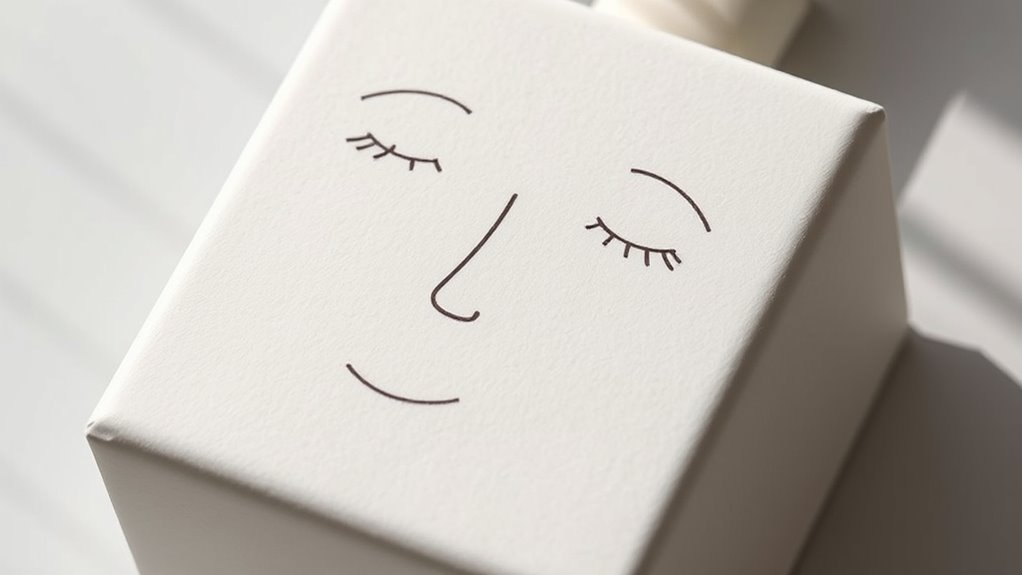
In today’s competitive market, packaging isn’t just about protecting products—it’s about creating a connection with consumers. You want your packaging to stand out, feel personal, and evoke a sense of authenticity. That’s where simplistic scribbles and etches come into play, transforming ordinary containers into engaging visual stories. By incorporating handwritten textures, you bring an organic, human touch to your design that feels warm and approachable. These textures mimic the imperfections and quirks of real handwriting, making your packaging appear less mass-produced and more crafted with care. When your label or box features these subtle, imperfect lines, it immediately communicates a sense of authenticity and personality, encouraging consumers to feel a personal connection with your brand.
Playful illustrations further enhance this humanized aesthetic. They break the rigid, sterile look of traditional packaging and add a lively, whimsical element that invites curiosity. Imagine small doodles, sketch-like drawings, or casual sketches that seem to have been drawn by hand—these evoke a sense of spontaneity and creativity. Playful illustrations can simplify complex ideas, making your message more memorable and relatable. They’re especially effective when paired with handwritten textures, as they reinforce the idea that your brand is approachable, friendly, and genuine. Plus, these elements don’t need to be perfect; their charm lies in their imperfections. Slight variations in lines, uneven strokes, and playful deviations can make your packaging feel more authentic and less robotic.
Using these design elements also helps your product stand out on crowded shelves. Consumers are increasingly drawn to brands that feel real and relatable, rather than overly polished or impersonal. When your packaging features hand-drawn textures and playful illustrations, it signals that you care about authenticity and creativity. It invites consumers to see your product as part of a story—something handcrafted, unique, and full of personality. This emotional connection can influence buying decisions and foster brand loyalty. You don’t need elaborate or expensive design techniques to achieve this; simple, thoughtful touches like handwritten textures and doodles can make a significant impact. They tell your story without words, communicating that human element that today’s consumers crave.
Additionally, considering color accuracy in your packaging design ensures that your visual message remains true and compelling across various mediums and lighting conditions. Ultimately, embracing these humanized packaging aesthetics helps you forge genuine relationships with your audience. Your packaging stops being just a vessel and becomes an extension of your brand’s personality—friendly, creative, and authentic. With a few playful sketches and handwritten textures, you can turn an ordinary package into a memorable experience that resonates long after the purchase.
Top picks for "simplistic scribbl etch"
Open Amazon search results for this keyword.
As an affiliate, we earn on qualifying purchases.
Frequently Asked Questions
How Do Simplistic Scribbles Influence Consumer Perception?
Simplistic scribbles influence your perception by making the brand seem more authentic and human. When you see these minimalistic designs, you’re likely to feel a stronger emotional connection because they appear genuine and approachable. This aesthetic breaks down barriers, encouraging trust and relatability. As a result, you’re more inclined to trust the brand’s message, fostering loyalty through perceived authenticity and emotional resonance.
What Materials Best Complement Humanized Packaging Designs?
You might think delicate designs need fancy materials, but biodegradable materials like paper or plant-based plastics work perfectly for humanized packaging. They add authenticity and eco-friendliness. Tactile textures, such as embossed scribbles or rough finishes, enhance the human feel. These materials and textures create a warm, approachable look that resonates with consumers, making your packaging stand out as both sustainable and inviting.
Are There Cultural Considerations in Humanized Packaging?
Yes, you should consider cultural symbolism and regional preferences when designing humanized packaging. By understanding these cultural nuances, you can create designs that resonate emotionally and avoid unintended offense. Tailor your imagery, colors, and messaging to reflect local traditions and values. This approach enhances brand connection, shows respect, and makes your packaging more appealing across diverse markets. Always research cultural contexts to guarantee your design communicates authentically and effectively.
How Does Minimalist Design Impact Product Recall?
Minimalist design enhances product recall by emphasizing branding consistency and increasing shelf visibility. When your packaging is clean and straightforward, customers quickly recognize your brand and remember it. This simplicity reduces visual clutter, making your product stand out among competitors. You actively guide consumers’ attention to key elements, ensuring they associate your minimalist aesthetic with quality and reliability, which ultimately boosts recall and strengthens your overall branding efforts.
What Emerging Trends Are Shaping Packaging Aesthetics?
You’ll notice that emerging packaging trends focus on hand drawn textures and organic patterns, creating a more authentic and relatable look. These elements evoke a human touch, making products feel personalized and approachable. As you explore new designs, expect to see more brands embracing natural motifs and imperfect details, which help foster emotional connections with consumers while standing out on crowded shelves. This shift emphasizes authenticity and sustainability in packaging aesthetics.
Conclusion
So, next time you’re charmed by those seemingly effortless scribbles and humble etches, remember—they’re actually crafted to make you feel special. Ironically, in a world obsessed with perfection, these “simple” designs stand out precisely because they appear human and imperfect. It’s almost as if the more you think it’s just doodles, the more you’re drawn in, convinced that this “messy” packaging somehow makes you trust the product more. Clever, isn’t it?