
You should consider rebranding when your brand feels outdated, no longer matches your values, or if customer perception is stagnating. External factors like market changes or increased competition, along with internal shifts such as expansion or leadership changes, signal it’s time for an update. By revitalizing your visual identity and messaging strategically, you can stay relevant and connect better with your audience. Continue exploring to discover how to effectively plan and execute your rebranding.
Key Takeaways
- Recognize signs like outdated visuals, messaging disconnect, or declining perception indicating it’s time for a rebrand.
- Analyze internal and external factors such as market shifts, competition, and business growth to decide the timing.
- Use data-driven insights to assess brand alignment with current audience needs and strategic goals before rebranding.
- Develop a clear, consistent strategy that updates visual identity and messaging to reflect new direction and values.
- Implement the rebrand gradually, ensuring internal alignment and effective communication to strengthen brand recognition.

Ever wondered when it’s time to give your brand a fresh look? Recognizing the right moment to rebrand can be tricky, but it’s vital for maintaining a strong market presence. Your brand perception plays a significant role here; if customers start viewing your business as outdated or out of touch, it signals that a refresh might be overdue. When your brand no longer reflects your core values or the evolving needs of your audience, it can lead to confusion and diminish customer loyalty. A rebrand isn’t just about changing logos or colors—it’s about realigning your identity with your current mission, vision, and market position. If you notice that your brand perception has shifted negatively or stagnated, it’s time to consider a strategic refresh.
You should also pay attention to your competitors. If they’re innovating and capturing more market share, it’s a sign you might need to update your branding to stay relevant. Additionally, shifts in consumer behavior or industry trends can make your existing branding feel outdated or disconnected. For example, if your visual identity looks like it belongs to a different era, or your messaging no longer resonates with your target audience, a rebrand can help bridge that gap. Remember, your brand is often the first impression potential customers have of your business. If that impression isn’t compelling or consistent, it can hurt your ability to attract and retain clients.
Rebranding can also be driven by internal factors. Perhaps your business has expanded or pivoted into new markets, and your current branding doesn’t reflect this new direction. Or maybe you’ve experienced a merger, acquisition, or significant change in leadership that warrants a fresh identity. When your internal vision diverges from your external branding, it’s a good indicator that a rebrand is needed to unify your message and reinforce your strategic goals. Doing so can reignite customer loyalty, especially if your previous branding no longer aligns with what your audience values most.
Furthermore, regularly updating your branding helps maintain consistent brand identity, which is crucial for building recognition and trust over time. Ultimately, the decision to rebrand should be grounded in data and honest assessment. If you find that your brand perception has become misaligned with your business objectives, or if customer loyalty is waning because your branding feels disconnected, it’s time to act. A well-executed rebrand can renew your appeal, clarify your messaging, and better position you for future growth. Remember, a successful rebrand isn’t just about looking different; it’s about reinforcing your relevance and building stronger connections with your customers.

Symmons 6791MBTRM Identity Single Handle Shower Trim Kit with 2.0 GPM HydroMersion Showerhead, Matte Black (Valve Not Included)
Identity shower trim kit
As an affiliate, we earn on qualifying purchases.
As an affiliate, we earn on qualifying purchases.
Frequently Asked Questions
How Long Does a Typical Rebranding Process Take?
A typical rebranding process takes about 3 to 6 months, depending on your brand timeline and strategic planning. You’ll need time for research, developing new brand elements, and testing. During this period, you’ll work closely with your team to facilitate a smooth shift. Staying organized and setting clear milestones helps you stay on track, making sure your rebranding aligns with your goals and resonates with your audience efficiently.
What Are Common Signs Indicating It’s Time to Rebrand?
You should consider rebranding when you notice a decline in brand perception or negative customer feedback. If your audience no longer identifies with your brand, or your messaging feels outdated, it’s a clear sign. Additionally, shifts in your industry or new competitors can signal the need for a refresh. Pay close attention to customer feedback and market trends—these clues help you determine if a rebrand will better align your identity with your goals.
How Much Does a Full Rebrand Usually Cost?
A full rebrand can cost anywhere from $10,000 to over $500,000, depending on your brand identity and market positioning. Think of it as shaping a masterpiece—cost varies with complexity and scope. Smaller businesses might spend less, focusing on logo and website updates, while larger companies might need all-encompassing branding strategies. Budget accordingly, and remember, investing in your rebrand pays off by elevating your brand’s presence.
How Can I Measure the Success of a Rebranding Effort?
You can measure your rebranding success by tracking changes in brand perception and analyzing customer feedback. Pay attention to shifts in customer attitudes, engagement levels, and social media sentiment. Conduct surveys or focus groups to gather direct feedback, and monitor key metrics like brand awareness and loyalty. If your efforts improve how customers view your brand and they respond positively, you’re on the right track.
What Are the Risks Associated With Rebranding?
Did you know 60% of rebrands fail to achieve their goals? You risk brand confusion and customer alienation if you don’t plan carefully. Rebranding can backfire if it alienates loyal customers or muddles your identity, leading to lost trust. You might also face high costs and negative publicity. Be sure to assess whether your goals outweigh these risks before proceeding, and communicate clearly to minimize confusion.

PKPKAUT 26Pcs Mini 1/2" Branding Irons, Alphabet Custom Wood Branding Iron Personalized for Wood Working, Leather Hats, Felt, Cowhide, BBQ Brander & Bread Logo, Steak Branding Iron for Food
【26Pcs 1/2" Alphabets Full Set】 ➤ The PKPKAUT wood branding irons is a high quality custom woodworking tool….
As an affiliate, we earn on qualifying purchases.
As an affiliate, we earn on qualifying purchases.
Conclusion
Remember, rebranding is like steering a ship—you need the right moment and a clear course. When your current identity no longer reflects who you are or where you’re headed, it’s time to refresh. By carefully planning your approach, you’ll guarantee your new image sails smoothly and confidently into the future. Don’t wait until you’re lost in the fog; a well-timed rebrand can brighten your path and reignite your audience’s trust.
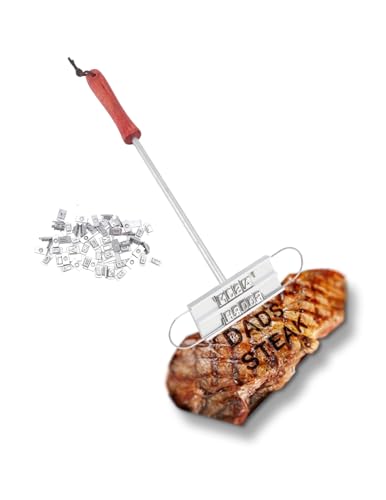
ZLXHDL Branding Iron Kit with 120+ Interchangeable Letters and Spaces, Custom Design for Steak Meat BBQ Grill and Chicken Branding Tool Personalized Branding Set with Wood Handle
Smooth Iron Head for Consistent Branding:The solid iron head maintains shape through repeated heating cycles. Its polished surface…
As an affiliate, we earn on qualifying purchases.
As an affiliate, we earn on qualifying purchases.

The Ultimate LinkedIn Messaging Guide: How to Use Written, Audio, Video and InMail Messages to Start More Conversations and Increase Sales
As an affiliate, we earn on qualifying purchases.
As an affiliate, we earn on qualifying purchases.