
Creating a brand style guide involves defining key components like your logo, color palette, typography, imagery style, and tone of voice to guarantee consistency across all platforms. Use clear rules for logo usage, specify exact color codes, and choose fonts that reflect your brand personality. Incorporate visual and verbal elements that tell your brand story cohesively. Following best practices helps protect your brand’s integrity and builds recognition—if you keep exploring, you’ll discover how to craft a thorough guide.
Key Takeaways
- Define core visual elements including logo usage, color palette, typography, and imagery style to ensure consistent branding.
- Establish clear guidelines for logo placement, sizing, and variations to maintain recognition across all platforms.
- Specify exact color codes (HEX, RGB, Pantone) for primary and secondary colors to ensure uniformity in digital and print materials.
- Develop a consistent tone of voice and messaging style to reinforce brand personality and connect with target audiences.
- Include practical examples and usage rules to guide content creators and designers, ensuring adherence and brand coherence.

Have you ever wondered how successful brands maintain a consistent look and feel across all their channels? The key lies in creating a comprehensive brand style guide that clearly defines the visual and verbal elements representing your brand. One of the most crucial components is logo consistency. Your logo isn’t just a symbol; it’s the face of your brand. Ensuring it appears the same way everywhere—from your website to social media, packaging, and advertisements—builds recognition and trust. Your style guide should specify how to use the logo, including size, spacing, and acceptable variations, so everyone understands its proper application. Consistent logo use prevents misrepresentation and reinforces brand identity.
Alongside your logo, establishing a well-defined color palette is vital. Color influences perception and emotional response, making it a powerful branding tool. Your style guide should outline the primary and secondary colors, including exact color codes such as HEX, RGB, or Pantone. This ensures that whether a designer is creating digital content or printing materials, the colors stay consistent. A unified color palette helps your brand appear cohesive across all platforms, strengthening brand recognition. It also helps maintain a professional look, as inconsistent colors can make your brand seem disorganized or unprofessional.
Beyond visual elements, your style guide should cover typography, tone of voice, and imagery style. Clear guidelines on fonts and their usage ensure your messaging remains uniform, whether in headlines, body text, or captions. Establishing a consistent tone of voice helps your audience connect with your brand personality, whether it’s friendly, authoritative, or innovative. When it comes to imagery, specify styles, filters, or themes that match your brand identity, so all visuals tell a cohesive story. Incorporating branding standards related to quality and originality further strengthens your message and distinguishes your brand from competitors.
Creating a detailed and easy-to-follow style guide might seem daunting initially, but it pays off by providing a reference point for everyone involved in content creation. This consistency saves time, reduces confusion, and protects your brand’s integrity. Remember, the goal is to make your brand instantly recognizable and trustworthy. By focusing on logo consistency and a carefully curated color palette, along with the other key elements, you ensure your brand maintains a strong, coherent presence across all channels. This uniformity helps build loyalty and makes a memorable impression on your audience, setting you apart from competitors.
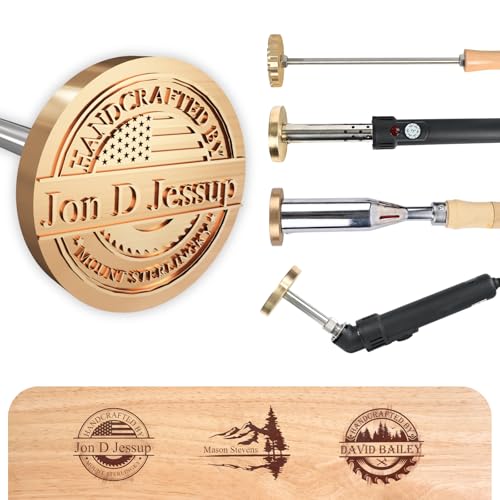
Terwex Custom Branding Iron for Wood, Personalized Logo Branding Iron with Your Text Unique Design, Durable Metal Wood Burning Stamp for Leather Food, Wedding & Handmade Lover Gifts (Brass Stamp Head)
Custom Branding Iron: Create your personalized branding iron with custom logos, names, initials, or unique pattern designs. Ideal…
As an affiliate, we earn on qualifying purchases.
As an affiliate, we earn on qualifying purchases.
Frequently Asked Questions
How Often Should a Brand Style Guide Be Updated?
You should update your brand style guide regularly, ideally every 1 to 2 years, to maintain brand consistency. Keep an eye on evolving design trends, new marketing channels, and internal changes that might affect your branding. Updating your guide guarantees your team stays aligned and your brand remains fresh and relevant. Frequent updates help prevent outdated visuals or messaging from impacting your brand’s perception and overall success.
Can a Small Business Create an Effective Style Guide?
Yes, a small business can create an effective style guide. Focus on branding consistency by clearly defining your logo usage, color palette, and typography. Set straightforward design standards to guarantee your branding stays uniform across all platforms. Keep it simple and practical, so team members can easily follow it. An effective style guide helps maintain professionalism and cohesion, even with limited resources, making your brand recognizable and trustworthy.
Should the Style Guide Include Tone of Voice Details?
Yes, your style guide should include tone of voice details. It helps define your brand personality and guarantees your communication style remains consistent across all channels. By clearly outlining how you speak to your audience, you make it easier for your team to convey your brand’s unique voice. This consistency builds trust and strengthens your brand identity, making your messaging more recognizable and effective.
How to Handle Brand Inconsistencies Across Teams?
Imagine your team launching a campaign with inconsistent messaging. To handle brand inconsistencies, you need to enforce brand alignment through regular training sessions and clear guidelines. Use a centralized platform for branding assets and updates, ensuring everyone follows the same standards. Consistency enforcement keeps your branding unified, making it easier to maintain a cohesive identity across all teams and channels. This proactive approach prevents drift and reinforces your brand’s integrity.
What’s the Best Way to Implement the Style Guide Company-Wide?
To implement your style guide company-wide, start with thorough employee training to guarantee everyone understands brand standards. Use digital asset management systems to store and share assets consistently, making it easy for teams to access the latest guidelines. Regularly reinforce the importance of adhering to the style guide through updates and feedback sessions. This approach keeps your branding cohesive and ensures all employees represent your brand accurately.
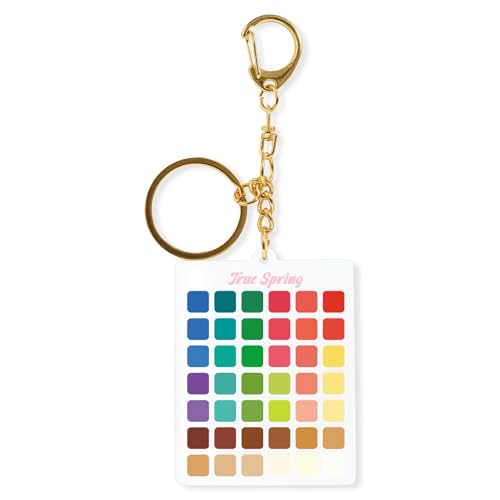
Seasons Color Analysis Swatch Keychain – Portable Seasonal Palette for Personal Styling, Fashion & Makeup Guide, Clear Acrylic Keyring with Spring Color Swatches (True Spring)
All-in-One Seasonal Color Guide: This keychain features seasonal color palettes (true spring) with curated swatches, making it your…
As an affiliate, we earn on qualifying purchases.
As an affiliate, we earn on qualifying purchases.
Conclusion
By crafting a clear brand style guide, you’re building a vibrant tapestry that brings your brand to life. Think of it as your brand’s blueprint, guiding every design and message like a compass pointing true north. When each element aligns, your brand shines with consistency and confidence—like a lighthouse cutting through fog. Keep this guide close, update it as your brand evolves, and watch your brand’s personality shine bright across every touchpoint.

Gothic and Old English Alphabets: 100 Complete Fonts (Lettering, Calligraphy, Typography)
As an affiliate, we earn on qualifying purchases.
As an affiliate, we earn on qualifying purchases.

JANYUN 4 Style Envelope Addressing Guide Stencil, Templates Ruler Guide Straight Spacing Line Thank You Card for Mother's Day Valentine's Day Scrapbooking Template Journal Lettering Writing
Package including: 4 different design styles letter addressing template, including: 4 same lines,4 different size lines, 5 different…
As an affiliate, we earn on qualifying purchases.
As an affiliate, we earn on qualifying purchases.