When designing effective VUIs, focus on understanding your users’ needs and contexts to guarantee natural interactions. Use clear, simple language that mimics everyday speech, and craft commands that are intuitive and relatable. Incorporate robust error handling to guide users smoothly when issues arise. Test thoroughly, gather feedback, and iterate regularly to improve performance. By considering privacy, accessibility, and cultural factors, you’ll create engaging, secure voice experiences that feel seamless—exploring these aspects will deepen your approach even further.
Key Takeaways
- Prioritize natural, clear language and cultural relevance to ensure intuitive and relatable voice interactions.
- Design concise, straightforward commands and feedback that reflect user expectations for seamless communication.
- Incorporate context awareness, environmental sensors, and user behaviors to tailor responsive voice experiences.
- Implement robust error handling with fallback options and prompts to maintain user confidence and engagement.
- Conduct regular testing with diverse inputs, user feedback, and iterative improvements to optimize system performance.

User Interface Design and Evaluation (Interactive Technologies)
As an affiliate, we earn on qualifying purchases.
As an affiliate, we earn on qualifying purchases.
Understanding User Needs and Contexts

Understanding user needs and contexts is vital for designing effective voice user interfaces. You need to prioritize context awareness to interpret user input accurately, considering factors like location, device, and environment. Recognizing user intent is essential; it helps your system respond appropriately and fulfill expectations seamlessly. When users speak, they may phrase requests differently based on their situation, so your VUI must adapt accordingly. By gathering insights into typical user behaviors and environments, you can tailor interactions that are intuitive and efficient. Avoid assumptions—always aim to understand the specific context behind each command. This approach ensures your voice interface delivers relevant, timely responses, fostering a natural and satisfying user experience. Additionally, incorporating innovation and discovery can lead to more advanced, adaptive interfaces that anticipate user needs before they are explicitly expressed. Exploring environmental factors like noise levels or device placement can further enhance system responsiveness and accuracy. Recognizing the importance of contrast ratio in display technology can also improve how visual feedback is perceived by users, especially in varying lighting conditions. Incorporating context-aware technologies such as sensors or location data can significantly improve the system’s ability to adapt to varying situations. Moreover, understanding tableware and its cultural significance can inspire user-centered design principles in creating interfaces that are both functional and culturally sensitive.

EIGHTREE Smart Plug, WiFi Outlet Works with Alexa & Google Home, Smart Home Socket with Remote Control & Timer Function, 2.4GHz WiFi Only, 4 Packs
Warm Tips: To use Alexa and Google Home for voice control, please connect the plug with the “Smart…
As an affiliate, we earn on qualifying purchases.
As an affiliate, we earn on qualifying purchases.
Crafting Clear and Natural Language Interactions

To create effective voice interactions, you should use simple, straightforward phrases that users can easily understand. Mimicking natural speech helps make conversations feel more intuitive and less robotic. Focus on crafting language that mirrors how people talk in everyday situations to improve user comfort and engagement. Incorporating sound healing science principles can also enhance the calming and restorative qualities of voice interfaces. Additionally, designing interactions that account for user emotions can foster a more positive and supportive experience. Paying attention to relationship dynamics can further tailor interactions to better meet user needs and preferences. Considering user preferences in the design process can further personalize and improve the overall interaction quality.
Using Simple Phrases
Using simple phrases is essential for creating effective voice user interfaces because it helps users understand and respond naturally. Focus on simple phrasing to keep interactions straightforward and avoid confusion. Use clear, direct language that matches how people naturally speak, maintaining a conversational tone. This approach makes it easier for users to give commands without needing to think about complex wording. Keep prompts brief and to the point, and avoid jargon or complicated terms. When designing interactions, think about how someone would naturally ask for something and mirror that in your phrasing. Simple, familiar language encourages users to engage confidently, reducing errors and frustration. Additionally, considering user expectations helps ensure that the interactions feel natural and meet users’ needs effectively. Being mindful of natural language patterns ensures that the voice interface aligns with how people typically communicate, making it more intuitive. Incorporating familiar cultural references can further enhance clarity and relatability in user interactions. Moreover, understanding retail hours can help tailor prompts to match real-world contexts and improve user experience. Recognizing specific terminology used in particular domains can also improve user comprehension and satisfaction.
Mimicking Natural Speech
Building on the importance of simple phrases, mimicking natural speech involves crafting interactions that sound authentic and effortless. To achieve this, focus on:
- Using varied intonation patterns that mirror human speech, making interactions feel more relatable.
- Leveraging advanced speech synthesis to produce smooth, natural sound quality, avoiding robotic tones.
- Incorporating conversational pauses and informal language to enhance realism and user comfort.
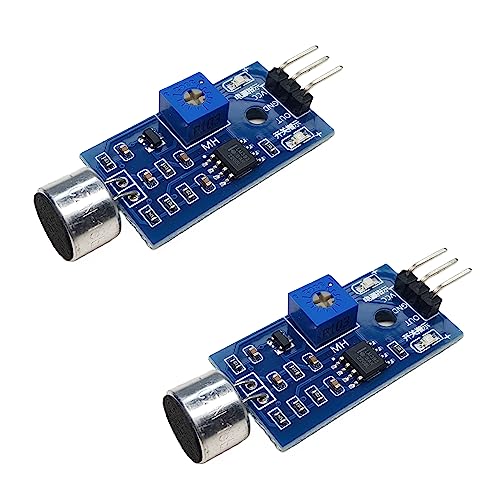
Sound Sensor Sound Detector Module for Arduino ESP32 ESP8266 Raspberry Pi Microcontroller Projects 3.3V 5V Compatible Adjustable Sensitivity Digital Output 2 Pieces
DETECTS SOUND INTENSITY: Measures ambient sound levels and outputs a digital signal HIGH or LOW based on threshold
As an affiliate, we earn on qualifying purchases.
As an affiliate, we earn on qualifying purchases.
Designing Intuitive Voice Commands and Feedback

Designing intuitive voice commands and feedback is essential for creating a seamless user experience. You want users to interact naturally, so consider how gesture control can complement voice inputs, making commands more fluid. Use clear, concise language that aligns with users’ expectations, helping them understand what to say and what to expect in response. Incorporate an appropriate emotional tone in your feedback—whether friendly, professional, or energetic—to foster engagement and trust. Your voice interface should recognize variations in command phrasing and respond consistently. Providing immediate, relevant feedback reassures users that their commands are understood. Additionally, understanding cybersecurity vulnerabilities can inspire more secure and trustworthy voice interactions. Being aware of support hours and how they vary across regions can help you design systems that provide users with timely assistance and guidance. By focusing on intuitive phrasing and emotional tone, you make interactions feel more human and less mechanical, enhancing overall usability and satisfaction. Considering the regional legal resources available can also help tailor responses to users’ specific contexts, improving relevance and trust. Incorporating knowledge of headphone compatibility and troubleshooting can also enhance user confidence in device interactions, ensuring a smoother experience across various hardware.
![Dragon Professional 16.0 Speech Dictation and Voice Recognition Software [PC Download]](https://m.media-amazon.com/images/I/41mYWIw3-dL._SL500_.jpg)
Dragon Professional 16.0 Speech Dictation and Voice Recognition Software [PC Download]
Dictate documents 3 times faster than typing with 99% recognition accurancy, right from the first use
As an affiliate, we earn on qualifying purchases.
As an affiliate, we earn on qualifying purchases.
Incorporating Error Handling and Recovery Strategies

Even the most carefully crafted voice interfaces can encounter misunderstandings or errors during interactions. To guarantee smooth user experiences, you need to incorporate effective error recovery and fallback strategies. First, anticipate common misunderstandings and design clear prompts that clarify user intent. Second, implement fallback options, such as asking users to repeat or rephrase their commands, to guide them back on track. Third, provide alternative solutions or suggestions if the initial request cannot be fulfilled. These strategies help users regain confidence and continue interactions seamlessly. Additionally, understanding AI-powered virtual reality in e-learning can inform the design of engaging and thematic responses that enhance user interaction. Recognizing cultural differences in Halloween celebrations can help tailor prompts that resonate across diverse user groups. Moreover, insights from fan culture can reveal how users prefer to communicate and respond to interactive systems, which can inform more relatable and engaging error handling approaches. These strategies help users regain confidence and continue interactions seamlessly. By proactively managing errors, you create a resilient VUI that handles mistakes gracefully, reducing frustration and improving overall usability. Remember, robust error recovery is essential for a reliable and user-friendly voice interface.
Testing and Iterating for Optimal Performance

To guarantee your voice user interface performs at its best, regular testing and iteration are essential. You need to evaluate how your VUI handles multilingual support across different languages and accents, ensuring responses are accurate and natural. Testing device integration is equally important—confirm your VUI works seamlessly with various devices and platforms. Use user feedback and analytics to identify pain points and improve performance. Consider running scenario-based tests to simulate real-world interactions. Incorporating expert voice actors into testing can help ensure natural and engaging responses. Additionally, incorporating user feedback regularly can provide valuable insights for ongoing improvements.
Addressing Privacy and Accessibility Considerations

Addressing privacy and accessibility considerations is essential to creating a voice user interface that users trust and can easily access. To protect user data, you should implement robust data encryption, ensuring sensitive information remains secure during transmission and storage. Additionally, leverage voice biometric technology to verify user identity, enhancing security without sacrificing convenience. Here are key steps to follow:
- Use data encryption to safeguard personal information and prevent unauthorized access.
- Incorporate voice biometric authentication to verify users reliably and privately.
- Design with accessibility in mind, including features like speech clarity and alternative input options for users with disabilities.
Frequently Asked Questions
How Do Cultural Differences Impact VUI Design?
Cultural differences considerably impact VUI design, as you need to account for cultural adaptation to ensure the interface feels natural and respectful. You’ll face multilingual challenges, requiring you to tailor language, tone, and gestures to diverse users. By understanding cultural norms and preferences, you can create a more inclusive experience. This approach helps your VUI resonate globally, avoiding misunderstandings and enhancing user satisfaction across different cultures.
What Are the Latest Trends in VUI Technology?
You’re curious about the latest trends in VUI technology. You’ll notice advancements like gesture recognition, allowing more natural interactions, and emotional intelligence, enabling devices to understand and respond to your feelings. These innovations make interfaces more intuitive and engaging. As VUI evolves, expect smarter, more personalized experiences that adapt to your needs, making technology seamlessly fit into your daily life while becoming more human-like and responsive.
How Can VUIS Support Multilingual Users Effectively?
You can support multilingual users effectively by ensuring your VUI adapts to different language proficiencies and recognizes various dialects. Incorporate advanced dialect recognition to understand regional accents, and use dynamic language switching to accommodate users’ preferred languages. By analyzing user interactions, you can personalize responses, making the experience more natural and inclusive. This approach helps users feel understood, regardless of their language skills or dialect, enhancing overall usability.
What Metrics Best Measure VUI User Satisfaction?
Imagine your VUI as a friendly guide—what keeps users happy? You should track user engagement, like how often they interact, and assess interface intuitiveness, ensuring commands are clear and effortless. These metrics reveal user satisfaction, highlighting whether your VUI truly meets their needs. By focusing on these, you can fine-tune your system to foster loyalty and create a seamless experience that feels natural and satisfying.
How Do Voice Assistants Handle Ambiguous or Vague Commands?
When you give ambiguous or vague commands, voice assistants use context disambiguation to understand better. They often ask for user clarification, prompting you to specify or rephrase your request. This process helps reduce confusion and improves accuracy. By analyzing your previous interactions and the current command, they can interpret your intent more effectively, ensuring you get the right response without frustration or misunderstanding.
Conclusion
Designing effective voice user interfaces requires understanding users’ needs, creating natural interactions, and ensuring accessibility. Keep refining your design through testing and iteration, and always prioritize privacy. Did you know that 71% of users prefer voice assistants that handle errors smoothly? Incorporating these strategies will help you build VUIs that feel intuitive, trustworthy, and inclusive, making your technology more engaging and successful in meeting user expectations.